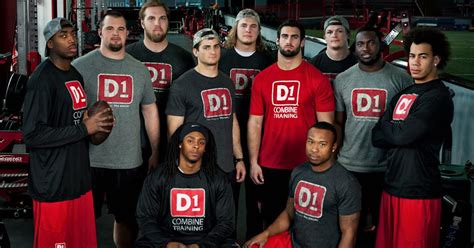
In the world of college sports, the highest level of competition is Division I (D1). D1 athletes are the most elite collegiate athletes in the United States, and they compete at the highest level of competition.

Requirements to Be a D1 Athlete
There are many requirements that must be met in order to become a D1 athlete. These include:
- Academic eligibility: D1 athletes must meet certain academic requirements in order to be eligible to compete. These requirements include maintaining a certain GPA and test scores.
- Athletic ability: D1 athletes must have the athletic ability to compete at the highest level. This means being able to perform at a high level in their chosen sport.
- Character: D1 athletes must be of good character and have a strong work ethic. They must be willing to put in the time and effort to succeed both on and off the field.
Benefits of Being a D1 Athlete
There are many benefits to being a D1 athlete. These include:
- The opportunity to compete at the highest level: D1 athletes have the opportunity to compete against the best athletes in the country. This can be a great experience for athletes who want to challenge themselves and reach their full potential.
- Scholarships: D1 athletes often receive scholarships to help them pay for college. These scholarships can be a great financial help for athletes who want to attend college.
- Access to top-notch facilities and coaching: D1 athletes have access to some of the best facilities and coaching in the country. This can help them develop their skills and reach their full potential.
- The opportunity to represent their school: D1 athletes represent their school on the field and off the field. This can be a great way to give back to their school and community.
Challenges of Being a D1 Athlete
There are also some challenges to being a D1 athlete. These include:
- The time commitment: D1 athletes must make a significant time commitment to their sport. This can be difficult for athletes who also want to maintain a social life and an academic career.
- The pressure to succeed: D1 athletes are under a lot of pressure to succeed. This can be difficult for athletes who are not used to being in the spotlight.
- The risk of injury: D1 athletes are at risk of injury due to the physical demands of their sport. This can be a serious concern for athletes who want to pursue a long-term career in their sport.
Conclusion
Being a D1 athlete is a challenging but rewarding experience. D1 athletes have the opportunity to compete at the highest level, receive scholarships, and access top-notch facilities and coaching. However, D1 athletes must also be prepared to make a significant time commitment and deal with the pressure to succeed.
Data on D1 Athletes
- There are over 180,000 D1 athletes in the United States.
- D1 athletes receive over $3 billion in scholarships each year.
- D1 athletes have a graduation rate of 84%, which is higher than the national average for college students.
- D1 athletes are more likely to be employed after college than non-athletes.
- D1 athletes are more likely to be healthy and have a higher quality of life than non-athletes.
FAQ
- What is the difference between D1, D2, and D3 athletics? D1 athletics is the highest level of competition in the NCAA. D2 and D3 athletics are lower levels of competition.
- What are the requirements to be a D1 athlete? D1 athletes must meet certain academic requirements, athletic ability requirements, and character requirements.
- What are the benefits of being a D1 athlete? D1 athletes have the opportunity to compete at the highest level, receive scholarships, and access top-notch facilities and coaching.
- What are the challenges of being a D1 athlete? D1 athletes must make a significant time commitment, deal with the pressure to succeed, and are at risk of injury.