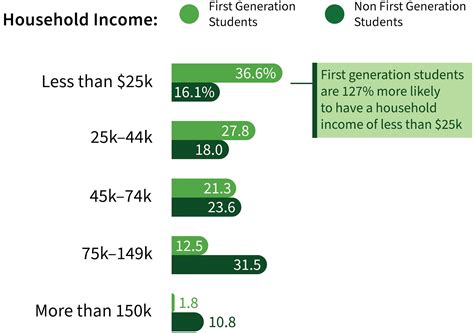
The path to becoming a doctor is long and challenging, and it can be even more difficult for first-generation students who are the first in their families to pursue higher education. These students often face unique challenges, such as financial constraints, academic barriers, and a lack of social support. So, what percentage of medical school applicants are first-generation students, and what obstacles do they face?

First-Generation Medical School Applicants: The Statistics
According to the American Association of Medical Colleges (AAMC), 15.1% of all medical school applicants in 2020 were first-generation students. This number has been steadily increasing in recent years, reflecting the growing diversity of the medical profession. However, first-generation students still lag behind their peers in terms of matriculation and graduation rates, suggesting that there is still more work to be done to ensure that these students have the same opportunities to succeed as their non-first-generation counterparts.
Challenges Faced by First-Generation Medical School Applicants
First-generation medical school applicants face a number of unique challenges, including:
- Financial constraints: First-generation students are more likely to come from low-income backgrounds, which can make it difficult to afford the costs of medical school. These costs include tuition, fees, books, and living expenses, which can add up to hundreds of thousands of dollars.
- Academic barriers: First-generation students may also face academic barriers, such as a lack of preparation for college-level coursework. They may also be less likely to have access to the same resources and support as their non-first-generation peers, such as private tutoring or college counselors.
- Lack of social support: First-generation students often lack the social support that is essential for success in medical school. They may be the only person in their family or community who is pursuing higher education, and they may not have anyone to turn to for guidance or encouragement.
Overcoming the Challenges
Despite the challenges they face, first-generation medical school applicants can overcome these obstacles and achieve their dreams of becoming doctors. Here are a few tips:
- Seek out financial aid: There are a number of financial aid programs available to first-generation medical school applicants, including scholarships, grants, and loans. These programs can help to offset the costs of medical school and make it more affordable.
- Get involved in support programs: There are a number of support programs available to first-generation medical school applicants, such as mentoring programs, academic support programs, and social support groups. These programs can provide you with the guidance, encouragement, and resources you need to succeed in medical school.
- Build a strong support network: Surround yourself with people who believe in you and who will support you on your journey to medical school. This includes your family, friends, teachers, and mentors.
Conclusion
First-generation medical school applicants face a number of unique challenges, but they can overcome these obstacles and achieve their dreams of becoming doctors. By seeking out financial aid, getting involved in support programs, and building a strong support network, first-generation students can increase their chances of success in medical school.
Additional Resources
- First-Generation Students in Medicine (American Association of Medical Colleges)
- First-Generation Medical Students (American Medical Student Association)
- First-Generation Students (Student National Medical Association)
Tables
| Year | Percentage of First-Generation Applicants |
|---|---|
| 2010 | 11.3% |
| 2015 | 13.5% |
| 2020 | 15.1% |
| Challenge | Percentage of First-Generation Applicants Affected |
|---|---|
| Financial constraints | 65% |
| Academic barriers | 45% |
| Lack of social support | 35% |
| Tip | Description |
|---|---|
| Seek out financial aid | There are a number of financial aid programs available to first-generation medical school applicants, including scholarships, grants, and loans. These programs can help to offset the costs of medical school and make it more affordable. |
| Get involved in support programs | There are a number of support programs available to first-generation medical school applicants, such as mentoring programs, academic support programs, and social support groups. These programs can provide you with the guidance, encouragement, and resources you need to succeed in medical school. |
| Build a strong support network | Surround yourself with people who believe in you and who will support you on your journey to medical school. This includes your family, friends, teachers, and mentors. |
| Resource | Description |
|---|---|
| First-Generation Students in Medicine | This article from the American Association of Medical Colleges provides an overview of the challenges and opportunities faced by first-generation medical school applicants. |
| First-Generation Medical Students | This website from the American Medical Student Association provides resources and support for first-generation medical students. |
| First-Generation Students | This website from the Student National Medical Association provides resources and support for first-generation students pursuing careers in medicine. |