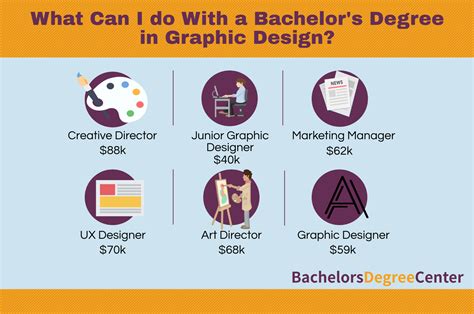
In the rapidly evolving digital era, graphic design has emerged as a cornerstone of effective communication, problem-solving, and storytelling. With a bachelor’s or associate’s degree in graphic design, you will acquire a versatile skillset that opens doors to a wide range of lucrative and fulfilling careers.

Core Competencies of a Graphic Designer
Graphic designers are visual storytellers who seamlessly combine aesthetics, function, and technology to create impactful designs. Their core competencies include:
- Visual Communication: Translating ideas into visually compelling designs
- Digital Design Tools: Proficiency in industry-standard software (e.g., Adobe Creative Suite)
- Marketing and Branding: Understanding marketing principles and branding strategies
- Typography and Color Theory: Mastering the art of font selection and color combinations
- User Experience (UX) Design: Designing user-centric interfaces and experiences
Types of Graphic Design Jobs
The diverse nature of graphic design allows graduates to pursue a variety of roles. Here are some of the most sought-after job titles:
Web Designer
Web designers specialize in creating visually appealing and functional websites and landing pages. They understand user behavior, search engine optimization (SEO), and design principles to optimize the user experience.
Median Annual Salary: $77,200 (Bureau of Labor Statistics, 2021)
Art Director
Art directors lead and oversee creative teams, ensuring consistency and high-quality design output. They manage budgets, develop creative concepts, and collaborate with clients to deliver exceptional results.
Median Annual Salary: $97,270 (Bureau of Labor Statistics, 2021)
Brand Identity Designer
Brand identity designers are responsible for creating and maintaining a company’s visual identity. They design logos, fonts, color palettes, and brand guidelines to establish a distinctive brand presence.
Median Annual Salary: $63,260 (Indeed, 2023)
Package Designer
Package designers create eye-catching packaging designs that enhance brand recognition and increase product sales. They understand printing techniques, materials, and the needs of the target audience.
Median Annual Salary: $53,380 (Bureau of Labor Statistics, 2021)
Motion Graphic Designer
Motion graphic designers are involved in creating animated designs, videos, and interactive experiences. They utilize motion graphics software to captivate audiences and convey messages effectively.
Median Annual Salary: $77,700 (Indeed, 2023)
Game Designer
Game designers create the visual worlds and characters of video games. They collaborate with programmers, sound engineers, and writers to develop immersive and engaging gaming experiences.
Median Annual Salary: $114,520 (Bureau of Labor Statistics, 2021)
Experience Designer (UX Designer)
Experience designers create user-centric digital experiences for websites, apps, and software. They focus on usability, accessibility, and customer satisfaction throughout the design process.
Median Annual Salary: $100,560 (Indeed, 2023)
Marketing and Advertising Graphic Designer
Marketing and advertising graphic designers create visual assets for marketing campaigns, social media, and promotional materials. They work closely with marketing teams to develop visually engaging content that aligns with brand messaging.
Median Annual Salary: $61,470 (Indeed, 2023)
Emerging Applications of Graphic Design
The advent of technology has led to the emergence of new creative industries that require the skills of graphic designers.
Generative Art
Generative art involves using algorithms and computational processes to create unique and often abstract artwork. Graphic designers are exploring generative art to create stunning designs, wallpapers, and NFTs.
Immersive Technologies (AR/VR)
Augmented and virtual reality (AR/VR) are revolutionizing the way we interact with the world around us. Graphic designers are designing virtual experiences, 3D models, and immersive environments that enhance user engagement and entertainment.
Healthcare Graphics
Graphic designers are playing a vital role in healthcare by creating educational materials, patient portals, medical devices, and health promotion campaigns.
Strategies for Career Success
- Build a Strong Portfolio: Showcase your best design work in an online portfolio that demonstrates your skills and versatility.
- Network and Attend Industry Events: Attend design conferences, workshops, and exhibitions to connect with potential employers and stay up-to-date on industry trends.
- Specialize in a Niche: Consider specializing in a particular area of design (e.g., UX design, brand identity design, or motion graphics) to enhance your marketability.
- Stay Current with Technology: Graphic design software and techniques are constantly evolving. Stay up-to-date with the latest industry tools and trends to ensure your skills remain relevant.
- Seek Feedback and Collaboration: Regularly seek feedback from peers, mentors, and clients to improve the quality of your work and expand your design perspective.
Common Mistakes to Avoid
- Lack of Research: Not thoroughly researching the design industry, potential employers, and job opportunities can lead to disappointment and missed opportunities.
- Poor Communication Skills: Communication is essential for graphic designers. Avoid miscommunication and awkward interactions by honing your communication skills.
- Neglecting the Business Side of Design: Graphic design is not just about creativity; it also requires an understanding of project management, invoicing, and client relationships.
- Insufficient Self-Promotion: Failing to effectively promote your work online and in person can limit your visibility and career growth.
- Burnout: Graphic design can be a demanding field. Establish healthy work habits, set boundaries, and seek support from mentors or colleagues to avoid burnout.
Conclusion
A graphic design major opens doors to a wide range of rewarding careers that combine creativity, technology, and storytelling. By developing your skills, pursuing emerging applications, and following a strategic approach, you can establish yourself as a highly sought-after graphic designer and contribute to the success of businesses and organizations.
Table 1: Job Titles and Median Annual Salaries
| Job Title | Median Annual Salary |
|---|---|
| Web Designer | $77,200 |
| Art Director | $97,270 |
| Brand Identity Designer | $63,260 |
| Package Designer | $53,380 |
| Motion Graphic Designer | $77,700 |
| Game Designer | $114,520 |
| Experience Designer (UX Designer) | $100,560 |
| Marketing and Advertising Graphic Designer | $61,470 |
Table 2: Core Competencies of a Graphic Designer
| Core Competency | Description |
|---|---|
| Visual Communication | Translating ideas into visually compelling designs |
| Digital Design Tools | Proficiency in industry-standard software (e.g., Adobe Creative Suite) |
| Marketing and Branding | Understanding marketing principles and branding strategies |
| Typography and Color Theory | Mastering the art of font selection and color combinations |
| User Experience (UX) Design | Designing user-centric interfaces and experiences |
Table 3: Emerging Applications of Graphic Design
| Application | Description |
|---|---|
| Generative Art | Using algorithms and computational processes to create unique artwork |
| Immersive Technologies (AR/VR) | Designing virtual experiences, 3D models, and immersive environments |
| Healthcare Graphics | Creating educational materials, patient portals, medical devices, and health promotion campaigns |
Table 4: Strategies for Career Success
| Strategy | Description |
|---|---|
| Build a Strong Portfolio | Showcase your best design work in an online portfolio that demonstrates your skills and versatility |
| Network and Attend Industry Events | Attend design conferences, workshops, and exhibitions to connect with potential employers and stay up-to-date on industry trends |
| Specialize in a Niche | Consider specializing in a particular area of design (e.g., UX design, brand identity design, or motion graphics) to enhance your marketability |
| Stay Current with Technology | Graphic design software and techniques are constantly evolving. Stay up-to-date with the latest industry tools and trends to ensure your skills remain relevant |
| Seek Feedback and Collaboration | Regularly seek feedback from peers, mentors, and clients to improve the quality of your work and expand your design perspective |