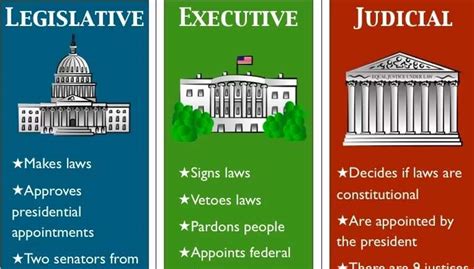
The executive branch of the Nigerian government is the branch that is responsible for carrying out the laws of the country. It is headed by the President, who is both the head of state and the head of government. The President is assisted by a Vice President, and together they lead the cabinet, which is made up of the heads of the various ministries and departments.

Powers of the Executive Branch
The executive branch has a wide range of powers, including:
- The power to propose laws to the legislature
- The power to veto laws passed by the legislature
- The power to make appointments to the judiciary and other key positions
- The power to command the armed forces
- The power to conduct foreign policy
- The power to grant pardons and commutations
Structure of the Executive Branch
The executive branch is divided into a number of departments and agencies, each of which is responsible for a specific area of policy. The most important of these are:
- The Ministry of Finance
- The Ministry of Foreign Affairs
- The Ministry of Defense
- The Ministry of Justice
- The Nigerian Police Force
- The State Security Service
Challenges Facing the Executive Branch
The executive branch of the Nigerian government faces a number of challenges, including:
- Corruption
- Poverty
- Inequality
- Insecurity
- Terrorism
The Future of the Executive Branch
The future of the executive branch of the Nigerian government is uncertain. The country is facing a number of challenges, and it is unclear how the government will be able to address these challenges. However, the executive branch remains an important part of the Nigerian government, and it will play a key role in shaping the country’s future.
Conclusion
The executive branch of the Nigerian government is a complex and powerful institution. It is responsible for carrying out the laws of the country and for shaping the country’s future. The executive branch faces a number of challenges, but it remains an important part of the Nigerian government.
Frequently Asked Questions
What is the role of the President of Nigeria?
The President of Nigeria is the head of state and the head of government. He is responsible for carrying out the laws of the country and for shaping the country’s future. The President is assisted by a Vice President, and together they lead the cabinet, which is made up of the heads of the various ministries and departments.
What are the powers of the executive branch?
The executive branch has a wide range of powers, including:
- The power to propose laws to the legislature
- The power to veto laws passed by the legislature
- The power to make appointments to the judiciary and other key positions
- The power to command the armed forces
- The power to conduct foreign policy
- The power to grant pardons and commutations
What are the challenges facing the executive branch?
The executive branch faces a number of challenges, including:
- Corruption
- Poverty
- Inequality
- Insecurity
- Terrorism
What is the future of the executive branch?
The future of the executive branch of the Nigerian government is uncertain. The country is facing a number of challenges, and it is unclear how the government will be able to address these challenges. However, the executive branch remains an important part of the Nigerian government, and it will play a key role in shaping the country’s future.
Additional Resources
- The Constitution of the Federal Republic of Nigeria
- The Executive Branch of the Government of Nigeria
- The Presidency of Nigeria