A Comprehensive Guide to the Enigmatic Realm of Marine Science
Introduction

The vast expanse of oceans holds an enigmatic realm teeming with unexplored depths, diverse life forms, and hidden wonders. At the forefront of unraveling these mysteries stands the marine scientist, a modern-day explorer venturing into the uncharted territories of our aquatic ecosystems. This article delves into the fascinating world of marine science, exploring the captivating roles, responsibilities, and remarkable contributions of these oceanographers.
Unraveling the Mysteries of the Marine Environment
Marine scientists are stewards of the marine realm, tirelessly dedicated to comprehending the intricate workings of oceans, seas, and coastal ecosystems. Their investigations encompass a wide array of disciplines, including biology, chemistry, geology, physics, and ecology, as they strive to answer fundamental questions about the life forms, processes, and dynamics that shape our watery world.
Key Responsibilities of a Marine Scientist
The responsibilities of a marine scientist are as diverse as the marine environment itself. They embark on research expeditions, collecting data on the physical, chemical, and biological characteristics of oceans and coastal areas. Their meticulous observations unveil the distribution of marine life, unravel the intricacies of ocean currents, and decipher the complex interactions between organisms and their surroundings.
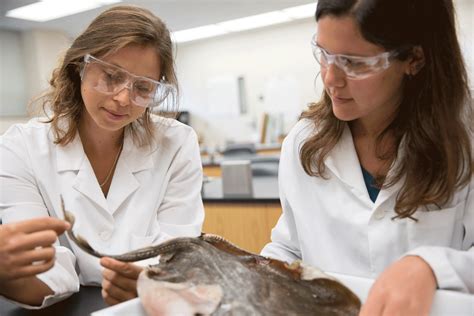
In addition to fieldwork, marine scientists engage in laboratory research, analyzing samples, conducting experiments, and developing models to understand marine ecosystems. They are also involved in monitoring and conservation efforts, using their expertise to safeguard the health and sustainability of our oceans.
Career Path and Qualifications
The path to becoming a marine scientist typically begins with a strong foundation in science, technology, engineering, and mathematics (STEM) subjects. A bachelor’s degree in marine science, biology, or a related field is often the first step. Many marine scientists pursue advanced degrees, such as master’s or doctoral degrees, to deepen their knowledge and specialize in specific areas of research.
Types of Marine Scientists
The field of marine science encompasses a diverse array of specializations, each focusing on a particular aspect of the marine environment:
- Marine Biologists: Study the diversity, behavior, and ecology of marine organisms, from microscopic plankton to massive whales.
- Marine Chemists: Analyze the chemical composition of seawater, sediments, and marine life to understand biogeochemical cycles and pollution impacts.
- Marine Geologists: Investigate the geological processes that shape the ocean floor, coastal landscapes, and marine habitats.
- Marine Physicists: Explore the physical properties of oceans, including tides, waves, currents, and ocean circulation patterns.
- Environmental Scientists: Focus on the impact of human activities on marine ecosystems and develop conservation strategies.
Applications of Marine Science
The applications of marine science extend far beyond the realm of academic research. The insights gained from marine scientists contribute to:
- Fisheries Management: Sustainable harvesting practices to ensure the health of fish stocks and ecosystems.
- Coastal Protection: Erosion control, flood prevention, and habitat restoration to safeguard coastal communities and ecosystems.
- Climate Change Mitigation: Monitoring sea level rise, ocean acidification, and carbon sequestration to inform climate change policies.
- Marine Biotechnology: Discovery and development of novel compounds and technologies inspired by marine organisms.
Challenges Faced by Marine Scientists
Marine scientists face significant challenges, including:
- Funding Limitations: Securing funding for research expeditions and equipment can be highly competitive, limiting the scope of investigations.
- Extreme Conditions: Conducting research in remote or hazardous marine environments requires specialized equipment and safety protocols.
- Ethical Considerations: Marine scientists grapple with ethical concerns surrounding the use of marine resources and the potential impact of research on marine ecosystems.
Global Impact of Marine Science
Marine science has a profound impact on global affairs:
- Sustainable Development: Informs policies that promote the sustainable use and conservation of marine resources for present and future generations.
- Climate Change Adaptation: Provides essential data for understanding and mitigating the effects of climate change on oceans and coastal ecosystems.
- International Collaboration: Facilitates international cooperation on marine research, conservation, and management issues.
Future Trends in Marine Science:
As technology advances and marine exploration continues, new trends are emerging in marine science:
- Marine Robotics: The use of autonomous underwater vehicles (AUVs) and remotely operated vehicles (ROVs) to explore deeper and more remote marine habitats.
- Genomics: The sequencing and analysis of marine organism genomes to understand their diversity, adaptation, and evolution.
- Interdisciplinary Collaboration: Increasing partnerships between marine scientists and researchers from other disciplines, such as social sciences and engineering.
Conclusion
Marine scientists are the modern explorers of our oceans, unraveling the mysteries of the marine environment and contributing to our understanding and conservation of these vast and enigmatic ecosystems. Their work plays a crucial role in shaping policies, informing sustainable practices, and ensuring the health and well-being of our planet. As we continue to delve into the depths of the marine realm, the discoveries and innovations of marine scientists will continue to inspire awe and shape our understanding of the world around us.
FAQs:
1. What is the difference between a marine scientist and an oceanographer?
While the terms are often used interchangeably, marine scientists typically focus on the biological aspects of marine ecosystems, while oceanographers focus on the physical and chemical processes of oceans.
2. How much do marine scientists earn?
According to the U.S. Bureau of Labor Statistics, the median annual salary for marine scientists and oceanographers was $79,820 in May 2021.
3. What are the job prospects for marine scientists?
The U.S. Bureau of Labor Statistics projects that employment of marine scientists and oceanographers is projected to grow 8% from 2021 to 2031, faster than the average for all occupations.
4. What are some of the challenges of being a marine scientist?
Marine scientists face challenges such as funding limitations, extreme working conditions, and ethical considerations.
5. What are some of the most exciting recent discoveries in marine science?
Recent exciting discoveries in marine science include the discovery of new hydrothermal vents, the mapping of the deep seafloor, and the development of underwater robots.
6. What are some of the future trends in marine science?
Future trends in marine science include the use of marine robotics, genomics, and interdisciplinary collaboration.
Tables:
| Table 1: Types of Marine Scientists and their Focus Areas |
|—|—|
| Type | Focus |
| Marine Biologists | Marine organisms, their diversity, behavior, and ecology |
| Marine Chemists | Chemical composition of seawater, sediments, and marine life |
| Marine Geologists | Geological processes that shape the ocean floor, coastal landscapes, and marine habitats |
| Marine Physicists | Physical properties of oceans, including tides, waves, currents, and ocean circulation patterns |
| Environmental Scientists | Impact of human activities on marine ecosystems and conservation strategies |
| Table 2: Applications of Marine Science |
|—|—|
| Application | Contribution |
| Fisheries Management | Sustainable harvesting practices for fish stocks and ecosystems |
| Coastal Protection | Erosion control, flood prevention, and habitat restoration |
| Climate Change Mitigation | Monitoring sea level rise, acidification, and carbon sequestration |
| Marine Biotechnology | Discovery and development of novel compounds and technologies |
| Table 3: Challenges Faced by Marine Scientists |
|—|—|
| Challenge | Description |
| Funding Limitations | Securing funding for research expeditions and equipment |
| Extreme Conditions | Conducting research in remote or hazardous marine environments |
| Ethical Considerations | Responsible use of marine resources and impact of research on ecosystems |
| Table 4: Future Trends in Marine Science |
|—|—|
| Trend | Description |
| Marine Robotics | Use of AUVs and ROVs for deep-sea exploration |
| Genomics | Sequencing and analysis of marine organism genomes |
| Interdisciplinary Collaboration | Partnerships with researchers from other disciplines |