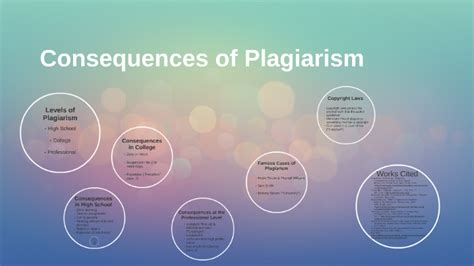
Plagiarism is the intentional or unintentional act of using someone else’s work without giving them credit. It is a serious academic offense that can have a number of negative consequences.

Academic Consequences
Plagiarism can result in a number of academic consequences, including:
- Failing the assignment or even the entire course
- Being suspended from school or expelled from program
- Having to retake the course and/or class
- Losing scholarship money or other financial aid
Professional Consequences
Plagiarism can also have a number of negative professional consequences, including:
- Losing your job
- Damaging your reputation
- Being sued for copyright infringement
- Stealing someone’s work can also undermine the trust in a professional relationship.
- Being unable to get a job or promotion
Legal Consequences
In some cases, plagiarism can even result in legal consequences, including:
- Being fined
- Being jailed
- Having to pay damages to the copyright holder
How to Avoid Plagiarism
There are a number of things you can do to avoid plagiarism, including:
- Citing your sources: Always cite your sources when you use someone else’s work. This includes giving the author’s name, the title of the work, and the publication date.
- Putting quotation marks around direct quotes: When you use someone else’s words directly, always put them in quotation marks.
- Paraphrasing: If you want to use someone else’s ideas, be sure to paraphrase them in your own words.
- Getting permission: If you want to use someone else’s work in a way that you are not sure about, be sure to get permission from the copyright holder first.
Consequences for Plagiarism Table
| Consequence | Possible Outcome |
|---|---|
| Academic: | Fail an assignment or course, get suspended or expelled, lose scholarship money |
| Professional: | Lose a job, damage a reputation, get sued for copyright infringement, be unable to get a job or promotion |
| Legal: | Get fined or jailed, or get a copyright infringement lawsuit sentencing |
How Plagiarism Impacts Students
Plagiarism can have a devastating impact on students. In addition to the academic consequences listed above, plagiarism can also lead to:
- Loss of self-esteem: Students who plagiarize may feel like they are not good enough to do their own work.
- Increased anxiety: Students who plagiarize may be worried about getting caught and punished.
- Difficulty learning: Students who plagiarize may not learn the material as well as they would if they had done their own work.
Importance of Citing Sources
Citing your sources is essential to avoid plagiarism. When you cite your sources, you are giving credit to the authors whose work you have used. This is not only the right thing to do, but it is also necessary to avoid plagiarism.
Consequences of Plagiarism for Business Owners
Plagiarism can also have a negative impact on business owners. If a business owner is caught plagiarizing, they may lose the trust of their customers and clients. They may also be sued for copyright infringement.
How to Avoid Plagiarizing in Business
There are a number of things that business owners can do to avoid plagiarizing, including:
- Citing your sources: Always cite your sources when you use someone else’s work. This includes giving the author’s name, the title of the work, and the publication date.
- Getting permission: If you want to use someone else’s work in a way that you are not sure about, be sure to get permission from the copyright holder first.
- Using original content: The best way to avoid plagiarism is to use original content. This means creating your own work and not relying on the work of others.
Consequences of Plagiarism for Students Table
| Consequence | Possible Outcome |
|---|---|
| Academic: | Fail an assignment or course, get suspended or expelled, lose scholarship money |
| Personal: | Loss of self-esteem, increased anxiety, difficulty learning |
Consequences of Plagiarism for Business Owners Table
| Consequence | Possible Outcome |
|---|---|
| Professional: | Lose the trust of customers and clients, get sued for copyright infringement |
Tips for Avoiding Plagiarism
Here are some tips for avoiding plagiarism:
- Take notes: When you are reading or researching, be sure to take notes in your own words. This will help you to remember the information and to avoid plagiarizing.
- Cite your sources: Always cite your sources when you use someone else’s work. This includes giving the author’s name, the title of the work, and the publication date.
- Get permission: If you want to use someone else’s work in a way that you are not sure about, be sure to get permission from the copyright holder first.
- Be careful when paraphrasing: When you paraphrase someone else’s work, be sure to change the words and sentence structure so that it is your own original work.
- Use a plagiarism checker: There are a number of plagiarism checkers available online that can help you to identify and correct plagiarism in your work.
Avoiding Plagiarism Table
| Tip | Description |
|---|---|
| Take notes | Take notes in your own words to avoid plagiarizing. |
| Cite your sources | Give credit to the authors whose work you have used. |
| Get permission | Get permission to use someone else’s work if you are not sure about it. |
| Be careful when paraphrasing | Change the words and sentence structure of someone else’s work so that it is your own original work. |
| Use a plagiarism checker | Use a plagiarism checker to help you identify and correct plagiarism in your work. |