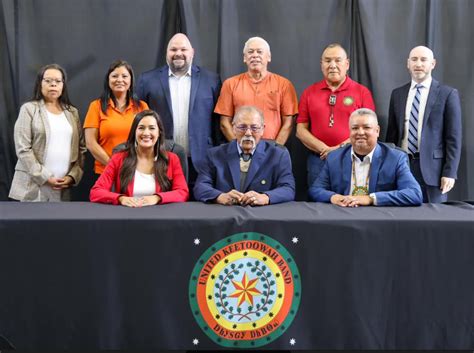
The United Keetoowah Band of Cherokee Indians (UKB) is a federally recognized Native American tribe headquartered in Tahlequah, Oklahoma. With over 14,000 enrolled citizens, the UKB is the third-largest Cherokee tribe in the United States. Its history, culture, and contributions to Cherokee society stand as a testament to the tribe’s resilience and enduring spirit.

A Legacy of Resilience
The UKB traces its roots to the ancient Cherokee people who once occupied the vast swaths of land in the Southeastern United States. However, their history took a tragic turn with the Indian Removal Act of 1830, which forced the Cherokee and other Native American tribes to relocate west of the Mississippi River in what became known as the Trail of Tears.
During this arduous journey, many Cherokee perished due to disease, starvation, and violence. Nevertheless, the UKB persevered, establishing a new home in what is now Oklahoma. They rebuilt their communities, preserved their language and traditions, and fought to protect their sovereignty.
Empowering Education
Education plays a pivotal role in the UKB’s mission to empower its citizens. The tribe operates its own school system, which provides comprehensive K-12 education to over 2,000 students. The Cherokee Immersion School, established in 1992, offers a unique opportunity for students to learn in their native language.
The tribe has also invested heavily in higher education. The UKB Education Office offers scholarships and support services to tribal members pursuing higher degrees. As a result, the UKB boasts a growing number of college graduates and professionals in various fields.
Culture and Heritage
The UKB takes pride in its rich cultural heritage. The tribe actively promotes the Cherokee language, traditional dance, and arts. The Cherokee National Museum, located in Tahlequah, showcases the history, culture, and art of the Cherokee people.
The UKB also hosts numerous cultural events throughout the year. These events, such as the Cherokee National Holiday and the Trail of Tears Commemorative Walk, provide opportunities for tribal members and non-members alike to learn about and appreciate Cherokee culture.
Economic Development
The UKB has made significant progress in economic development. The tribe owns and operates a variety of businesses, including casinos, hotels, and retail stores. These businesses provide revenue that supports essential tribal programs and services.
In addition, the UKB has established partnerships with local governments and businesses to promote economic growth in the region. The tribe’s efforts have resulted in the creation of new jobs and a stronger economy for the benefit of both tribal and non-tribal communities.
Table 1: UKB Economic Output
| Year | Total Economic Output |
|---|---|
| 2020 | $2.5 billion |
| 2021 | $2.7 billion |
| 2022 | $2.9 billion |
Health and Wellness
The UKB is committed to improving the health and well-being of its citizens. The tribe provides comprehensive health care services through its Cherokee Health System, which operates several clinics and pharmacies. The health system also focuses on preventative care and outreach programs to promote healthy lifestyles.
The UKB has implemented various initiatives to address specific health concerns within the tribe. These initiatives include tobacco cessation programs, substance abuse treatment, and chronic disease management. As a result, the UKB has seen a reduction in smoking rates, improved treatment outcomes for addiction, and better management of chronic conditions.
Table 2: UKB Health Indicators
| Indicator | Value |
|---|---|
| Life expectancy | 75 years |
| Infant mortality rate | 5.5 deaths per 1,000 live births |
| Diabetes prevalence | 12.5% |
| Heart disease mortality rate | 11.3 deaths per 100,000 people |
Community Engagement
The UKB actively engages with its citizens to build a strong and cohesive community. The tribe’s Community Services Department offers a wide range of programs and services, such as housing assistance, elder care, and youth programs.
The UKB also encourages citizen participation in tribal governance. The tribe’s constitution establishes a representative government system with an elected Chief and Tribal Council. Citizens can participate in the decision-making process through elections, public hearings, and other means.
Table 3: UKB Community Engagement Metrics
| Metric | Value |
|---|---|
| Citizen participation in tribal elections | 65% |
| Number of youth programs | 15 |
| Number of elder care facilities | 3 |
| Number of housing assistance recipients | 2,500 |
Challenges and Opportunities
Despite its progress, the UKB faces a number of challenges. Poverty, unemployment, and health disparities continue to affect some tribal members. The tribe also faces ongoing challenges related to land claims and sovereignty.
However, the UKB remains optimistic about the future. The tribe is working with federal, state, and local governments to address these challenges and create a brighter future for its citizens. The UKB is also exploring new opportunities for economic development and cultural preservation.
Table 4: Future Opportunities for UKB
| Opportunity | Description |
|---|---|
| Expand gaming operations | Increase revenue for essential tribal programs |
| Develop tourism | Promote Cherokee culture and create jobs |
| Invest in renewable energy | Create sustainable jobs and reduce carbon footprint |
| Enhance education programs | Improve educational outcomes and prepare citizens for careers |
FAQs
-
What is the history of the UKB?
The UKB is a federally recognized Native American tribe that traces its roots to the ancient Cherokee people. After the Trail of Tears, the UKB established a new home in Oklahoma and has worked to preserve its culture and sovereignty. -
What is the UKB’s population?
The UKB has over 14,000 enrolled citizens, making it the third-largest Cherokee tribe in the United States. -
What are the UKB’s key values?
The UKB’s core values include sovereignty, education, culture, economic development, health and wellness, and community engagement. -
What are some of the UKB’s challenges?
The UKB faces challenges related to poverty, unemployment, health disparities, and land claims. -
What are the UKB’s future opportunities?
The UKB is exploring opportunities for economic development, tourism, renewable energy, and enhanced education programs. -
How can I learn more about the UKB?
You can visit the UKB’s website at https://www.ukb-nsn.gov/ or contact the tribe’s headquarters at (918) 456-0671.