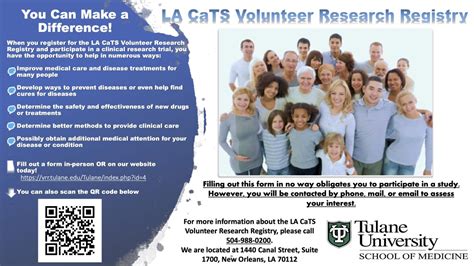
Volunteering is an indispensable aspect of the medical field, offering aspiring healthcare professionals invaluable experiences that enhance their skills, broaden their perspectives, and foster a profound sense of purpose. Tulane University School of Medicine recognizes the transformative power of volunteering, providing a multitude of opportunities for its students to engage in meaningful service while contributing to the well-being of their communities.

Types of Volunteering Opportunities
Tulane Medical School offers a vast array of volunteering opportunities designed to cater to the diverse interests and schedules of its students. Some of the most popular options include:
Clinical Volunteering
- Tulane University Hospital and Clinic: Engage directly with patients in a hospital or clinical setting, assisting healthcare professionals with tasks such as patient care, data entry, and administrative support.
- Free Clinic of New Orleans: Provide medical care to underserved populations, gaining hands-on experience in primary care, diagnostics, and patient education.
Research Volunteering
- Tulane Center for Clinical and Translational Science: Participate in cutting-edge research projects, assisting with data collection, analysis, and interpretation.
- Tulane University Cancer Center: Contribute to the fight against cancer by volunteering in laboratories or clinical trials, supporting cancer research and patient care.
Community Outreach Volunteering
- Tulane Neighborhood Health Center: Help improve the health and well-being of underserved communities by offering health screenings, education programs, and support services.
- Ochsner Medical Center: Engage in community events and initiatives aimed at promoting health, wellness, and disease prevention.
Student Organizations
In addition to these formal volunteering opportunities, Tulane Medical School students can also get involved in various student organizations dedicated to community service, such as:
- Tulane Medical Outreach: Organize and lead health education and outreach programs in underserved communities.
- Tulane Global Health Brigade: Participate in medical missions to provide healthcare services to communities in low-resource settings worldwide.
Benefits of Volunteering
Volunteering provides numerous benefits for Tulane Medical School students, including:
- Enhanced Clinical Skills: Gain practical experience in patient care, diagnostics, and treatment, supplementing classroom learning.
- Broadened Perspectives: Interact with diverse populations, gaining a deeper understanding of healthcare disparities and social determinants of health.
- Professional Development: Build strong relationships with healthcare professionals, develop leadership skills, and improve communication and teamwork abilities.
- Personal Fulfillment: Make a tangible impact on the lives of others, fostering a sense of purpose and satisfaction.
How to Get Involved
To get involved in volunteering at Tulane Medical School, students can:
- Visit the Center for Community Engagement website for a comprehensive list of opportunities: https://communityengagement.tulane.edu/
- Attend volunteer fairs organized by the school and student organizations.
- Reach out directly to organizations or departments of interest to inquire about volunteering opportunities.
Conclusion
Volunteering is an integral part of the Tulane Medical School experience, providing students with invaluable opportunities to apply their knowledge, serve their communities, and grow both professionally and personally. By embracing these opportunities, students can not only enhance their medical training but also make a meaningful contribution to the health and well-being of those around them.
Tables
Table 1: Benefits of Volunteering for Tulane Medical School Students
| Benefit | Description |
|---|---|
| Enhanced Clinical Skills | Gain practical experience in patient care, diagnostics, and treatment. |
| Broadened Perspectives | Interact with diverse populations, gaining a deeper understanding of healthcare disparities and social determinants of health. |
| Professional Development | Build strong relationships with healthcare professionals, develop leadership skills, and improve communication and teamwork abilities. |
| Personal Fulfillment | Make a tangible impact on the lives of others, fostering a sense of purpose and satisfaction. |
Table 2: Types of Volunteering Opportunities at Tulane Medical School
| Type | Description |
|---|---|
| Clinical Volunteering | Engage directly with patients in a hospital or clinical setting. |
| Research Volunteering | Participate in cutting-edge research projects. |
| Community Outreach Volunteering | Help improve the health and well-being of underserved communities. |
| Student Organizations | Get involved in student groups dedicated to community service. |
Table 3: Key Statistics on Volunteering in Healthcare
| Statistic | Source |
|---|---|
| Over 9 million Americans volunteer in healthcare settings each year. | American Red Cross |
| Volunteers contribute over 1 billion hours of service to healthcare organizations annually. | United Way |
| Volunteering in healthcare can help improve patients’ health outcomes and satisfaction. | National Institutes of Health |
Table 4: FAQs about Volunteering at Tulane Medical School
| Question | Answer |
|---|---|
| What are the requirements for volunteering? | Most opportunities require a clear background check and proof of immunization. |
| How many hours can I volunteer? | The number of hours varies depending on the type of opportunity and your availability. |
| How do I find the right volunteering opportunity for me? | Attend volunteer fairs, reach out to organizations or departments directly, or consult the Center for Community Engagement website. |
| Can I volunteer while also working or studying? | Yes, many opportunities are flexible and allow students to balance their commitments. |