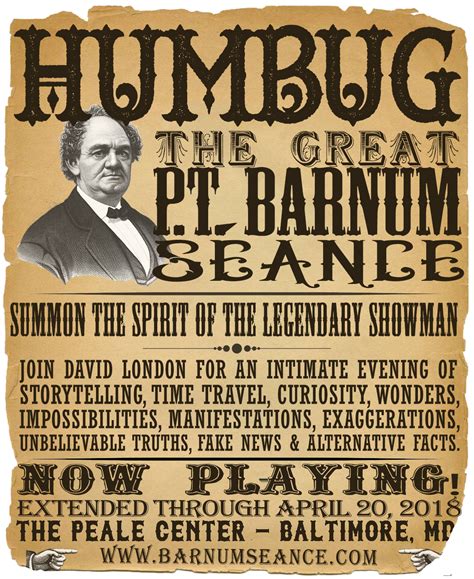
Introduction
Phineas Taylor Barnum, the legendary showman and founder of the Barnum & Bailey Circus, was a man of many contradictions. He was a master of self-promotion, but also a generous philanthropist. He was a shrewd businessman, but also a visionary who helped to shape the entertainment industry.

Barnum was born in Bethel, Connecticut, in 1810. He started his career as a peddler and lottery agent, but soon realized that his true calling was in show business. In 1835, he purchased the American Museum in New York City, which he transformed into a temple of curiosities.
Barnum’s museum was a hodgepodge of attractions, including everything from live animals to wax figures to Siamese twins. But it was Barnum’s own showmanship that made the museum a success. He was a master of hype and promotion, and he knew how to create a spectacle that would draw crowds.
The Birth of the Barnum Circus
In 1871, Barnum merged his museum with the Great Eastern Circus, creating the Barnum & Bailey Circus. The circus was an instant success, and it quickly became one of the most popular attractions in the world.
Barnum’s circus was a traveling extravaganza, featuring a cast of thousands of performers, animals, and attractions. It was a marvel of engineering and logistics, and it helped to popularize the circus as a form of entertainment.
Barnum’s Legacy
Barnum died in 1891, but his legacy lives on. He is considered to be one of the most influential figures in the history of entertainment, and his innovations have had a lasting impact on the way we experience live shows.
Barnum’s legacy is not without controversy. He was accused of fraud and humbug, and he was often criticized for exploiting his performers. However, there is no doubt that he was a master showman, and his contributions to the entertainment industry are undeniable.
Barnum’s Humbuggery
Barnum was a master of humbug, and he used it to his advantage throughout his career. He was always willing to bend the truth, or even outright lie, to promote his attractions.
One of Barnum’s most famous hoaxes was the Feejee Mermaid, which he claimed was a real mermaid that had been captured in the Pacific Ocean. In reality, the Feejee Mermaid was a papier-mâché creation that Barnum had purchased from a taxidermist.
Despite his reputation for humbug, Barnum was also a generous philanthropist. He donated millions of dollars to charities, and he helped to found several hospitals and schools.
Barnum’s Innovations
Barnum was a visionary who helped to shape the entertainment industry. He introduced many new innovations to show business, including:
- The use of advertising and promotion to build excitement for his shows. Barnum was a master of self-promotion, and he used every available channel to get the word out about his attractions.
- The use of mass media to reach a wider audience. Barnum was one of the first showmen to use newspapers, magazines, and posters to promote his shows.
- The creation of a traveling circus that could bring entertainment to people in all parts of the country. Barnum’s circus was a marvel of engineering and logistics, and it helped to popularize the circus as a form of entertainment.
Barnum’s Impact on Society
Barnum’s impact on society is undeniable. He helped to popularize the circus and other forms of live entertainment. He also helped to shape the way we think about advertising and promotion.
Barnum was a controversial figure, but there is no doubt that he was a brilliant showman who had a lasting impact on the entertainment industry.
Tables
Table 1: Barnum’s Major Accomplishments
| Accomplishment | Year |
|---|---|
| Opens the American Museum in New York City | 1835 |
| Merges his museum with the Great Eastern Circus to create the Barnum & Bailey Circus | 1871 |
| Dies at the age of 81 | 1891 |
Table 2: Barnum’s Humbugs
| Hoax | Year |
|---|---|
| Feejee Mermaid | 1842 |
| Cardiff Giant | 1869 |
| Jumbo the Elephant | 1882 |
Table 3: Barnum’s Innovations
| Innovation | Year |
|---|---|
| Use of advertising and promotion to build excitement for his shows | 1835 |
| Use of mass media to reach a wider audience | 1840s |
| Creation of a traveling circus that could bring entertainment to people in all parts of the country | 1871 |
Table 4: Barnum’s Legacy
| Legacy | Impact |
|---|---|
| Popularization of the circus and other forms of live entertainment | Helped to create a new form of entertainment that was enjoyed by people of all ages. |
| Shaping the way we think about advertising and promotion | Barnum’s innovative use of advertising and promotion helped to shape the way we think about marketing and advertising. |