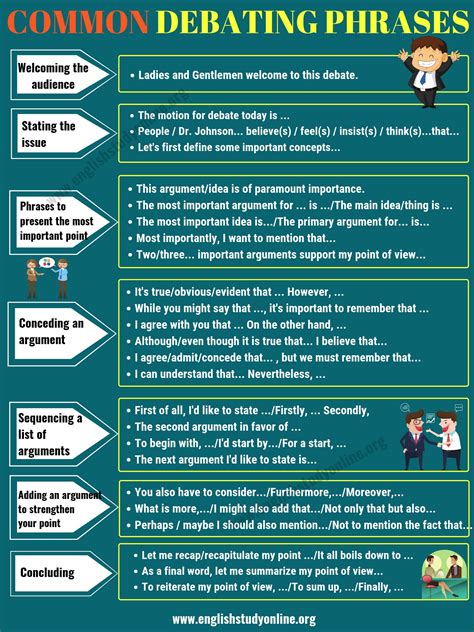
In the relentless rhythm of modern life, we find ourselves caught in a perpetual tug-of-war between our professional obligations and our need for respite. The decision of whether or not to take time off work can evoke a great deal of internal conflict, as we weigh the potential benefits and drawbacks of interrupting our career momentum.

Exploring the Pros of Time Off
Enhanced Well-being
According to the American Psychological Association, chronic stress can lead to a myriad of health issues, including anxiety, depression, and elevated blood pressure. Taking time off can provide a much-needed break from the demands of work, allowing us to recharge our batteries and return with renewed vigor.
Improved Productivity
Contrary to common misconceptions, time off can actually enhance productivity in the long run. The Society for Human Resource Management (SHRM) reports that employees who take regular vacations are more likely to be engaged, focused, and productive upon their return.
Personal Enrichment
Time off allows us to pursue personal interests, travel, or simply spend quality time with loved ones. These experiences can enrich our lives, broaden our perspectives, and foster a greater sense of fulfillment.
Examining the Cons of Time Off
Career Momentum
Taking an extended period of time off can disrupt our career trajectory. In competitive industries, those who remain active while others are taking breaks may gain an advantage in terms of promotions and opportunities.
Financial Concerns
Time off typically comes with a reduction in income. For some, this can be a significant financial burden, especially if they are supporting a family or have other financial obligations.
Feeling Out of Touch
Prolonged absences from work can create a sense of being out of touch with the team and current projects. It can take time to reconnect and regain a comprehensive understanding of the work situation upon returning.
Factors to Consider
To help you make an informed decision, consider the following factors:
Nature of Your Work
The nature of your work can influence whether or not taking time off is feasible. If your job involves time-sensitive tasks or requires continuous communication, taking a break may be more disruptive than beneficial.
Personal Circumstances
Your personal circumstances, such as family obligations, financial situation, and health, should also be taken into account. If you have pressing personal matters that require your attention, taking time off may be necessary.
Company Culture
The culture of your company can also impact your decision. Some organizations encourage regular vacations and provide generous leave policies, while others may frown upon extended absences.
Comparison of Pros and Cons:
| Pros | Cons |
|---|---|
| Enhanced Well-being | Career Momentum |
| Improved Productivity | Financial Concerns |
| Personal Enrichment | Feeling Out of Touch |
FAQs
1. How much time off should I take?
The optimal duration of time off depends on individual needs and circumstances. Some experts recommend taking at least two to four weeks off each year.
2. How will my coworkers react?
Communicate your plans with your coworkers and supervisors well in advance. Explain your reasons for taking time off and assure them that you will make arrangements to ensure a smooth transition during your absence.
3. What should I do during my time off?
Use your time off to recharge, pursue personal interests, or simply relax and spend time with loved ones. Avoid checking work email or taking on new projects during this period.
4. How do I make up for the work I miss?
Prior to taking time off, prioritize your tasks and delegate as much as possible. Consider setting up an auto-responder to handle emails and informing your colleagues of your expected return date.
5. Can I still take time off if I’m feeling overwhelmed at work?
If you’re feeling overwhelmed, taking a short break can be beneficial. However, if you’re experiencing chronic stress or burnout, it’s important to address the underlying causes with your supervisor or a mental health professional.
6. Is it okay to take time off for personal reasons?
Yes, it is perfectly acceptable to take time off for personal reasons, such as family emergencies, health issues, or personal milestones.
7. How do I ask for time off?
Submit a formal request to your supervisor in writing, stating the dates of your desired time off and the reason for your absence if appropriate.
8. What if my request for time off is denied?
If your request is denied, try to understand the reasons behind the decision. Reschedule your requested time off if possible, or consider negotiating a shorter period of absence.
Conclusion: Weighing the Evidence
The decision of whether or not to take time off is a personal one that requires careful consideration of the potential benefits and drawbacks. By weighing the evidence and considering your individual circumstances, you can make an informed choice that aligns with your well-being and career goals. Remember, time off is not a luxury but a necessary investment in your physical, mental, and professional health.