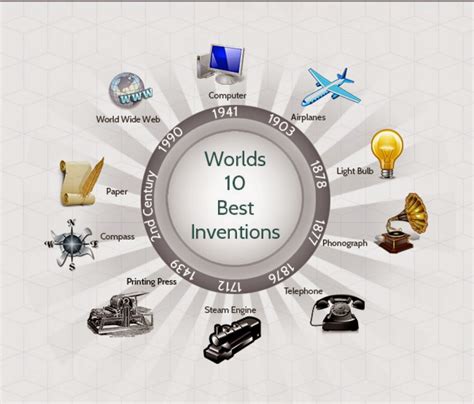
The past two years have witnessed an unprecedented surge in technological advancements, scientific breakthroughs, and societal transformations. From the dawn of groundbreaking discoveries to the rise of transformative trends, this period has shaped the contours of our present and future.

Technological Innovations: Shaping the Future
Artificial Intelligence
AI has emerged as a ubiquitous force, permeating various industries and sectors. From self-driving cars to AI-powered medical diagnostics, AI is redefining our interactions with technology and the world around us. According to a recent report by McKinsey & Company, AI technologies could contribute an estimated $13 trillion to global GDP by 2030.
5G and Connectivity
The rollout of 5G networks has ushered in a new era of connectivity, enabling faster speeds, lower latency, and widespread device interconnectivity. 5G is powering advancements in smart cities, autonomous vehicles, and healthcare applications. A study by Ericsson predicts that the number of 5G subscriptions globally will reach 1.9 billion by 2024.
Cloud Computing
Cloud computing has become an indispensable tool for businesses and individuals alike. It offers flexible, scalable, and cost-effective computing resources, empowering organizations to innovate, collaborate, and optimize operations. Gartner estimates that the global cloud market will reach $482 billion in 2022.
Scientific Triumphs: Advancing Knowledge and Health
COVID-19 Vaccine Development
The development and distribution of COVID-19 vaccines in record time is a testament to the resilience and ingenuity of the scientific community. The vaccines have played a crucial role in mitigating the severity and spread of the pandemic, saving countless lives. By June 2022, over 12 billion doses of COVID-19 vaccines had been administered worldwide, according to the World Health Organization (WHO).
Breakthrough Cancer Therapies
Advancements in cancer immunotherapy and gene therapy have revolutionized the treatment of cancer. Immunotherapy harnesses the power of the body’s own immune system to fight cancer, while gene therapy involves altering cells to restore their normal function or introduce new functions to combat the disease. A study by the American Cancer Society estimates that there were over 1.9 million cases of cancer diagnosed in the United States in 2021 alone.
Climate Change Mitigation and Adaptation
The urgency of addressing climate change has sparked a surge in research and innovation. Scientists are developing new technologies for renewable energy generation, carbon capture and storage, and climate modeling to mitigate greenhouse gas emissions and adapt to the impacts of climate change. The Intergovernmental Panel on Climate Change (IPCC) reports that global greenhouse gas emissions reached a record high in 2021.
Societal Transformations: Reshaping Norms and Values
Globalization and Interconnectedness
The interconnectedness of the world has intensified through advancements in transportation, communication, and social media. Global flows of information, goods, and people have created a more interdependent and culturally diverse society. The World Economic Forum estimates that international trade reached a record $28.5 trillion in 2021.
Diversity and Inclusion
Recognition of the importance of diversity and inclusion has gained widespread momentum, leading to increased representation and participation of marginalized groups in various fields. Organizations are implementing diversity and inclusion initiatives to create more equitable and inclusive work environments. According to a survey by Deloitte, 87% of executives believe that diversity and inclusion are important for their company’s success.
Generational Divide
The generational divide between millennials, Gen Z, and older generations has become more pronounced. These generations have distinct values, attitudes, and technological preferences that shape their expectations and behaviors. Understanding the nuances of these generations is essential for marketers, employers, and policymakers. A study by Pew Research Center reveals that millennials now surpass baby boomers as the largest generation in the United States.
Table 1: Key Technological Innovations of the Last Two Years
| Innovation | Significance |
|---|---|
| Artificial Intelligence (AI) | Automating tasks, improving decision-making, and enabling personalized experiences |
| 5G and Connectivity | Enhancing mobile speeds, reducing latency, and connecting IoT devices |
| Cloud Computing | Providing flexible, scalable, and cost-effective computing resources |
| Blockchain | Enabling secure and decentralized transactions and data management |
| Virtual and Augmented Reality (VR/AR) | Creating immersive and interactive experiences for gaming, education, and healthcare |
Table 2: Major Scientific Triumphs of the Last Two Years
| Triumph | Impact |
|---|---|
| COVID-19 Vaccine Development | Saving millions of lives and mitigating the pandemic’s severity |
| Breakthrough Cancer Therapies | Revolutionizing cancer treatment and improving patient outcomes |
| Climate Change Mitigation and Adaptation | Advancing technologies for renewable energy, carbon capture, and climate modeling |
| Gene Editing and Cell Therapy | Enabling targeted and personalized treatment of genetic diseases and immune disorders |
Table 3: Notable Societal Transformations of the Last Two Years
| Transformation | Significance |
|---|---|
| Globalization and Interconnectedness | Fostering cultural exchange, global trade, and interdependence |
| Diversity and Inclusion | Creating more equitable and inclusive societies |
| Generational Divide | Shaping expectations, behaviors, and workplace dynamics |
| Remote Work | Transforming work arrangements and blurring the lines between work and personal life |
| Social Media Influence | Empowering individuals and influencing public opinion |
Table 4: Top Trends for the Next Two Years
| Trend | Impact |
|---|---|
| Sustainability | Emphasizing environmental preservation, green energy, and circular economy models |
| Metaverse and Digital Twins | Creating immersive virtual environments and digital representations of the physical world |
| Quantum Computing | Enabling exponential increases in computing power for machine learning, cryptography, and materials science |
| Personalized Medicine | Tailoring healthcare treatments and therapies to individual genetic profiles and health conditions |
| Automation and Job Displacement | Increasing use of AI and robotics in various industries, leading to job displacement and the need for reskilling and upskilling |
Key Learnings and Call to Action
- The past two years have witnessed unprecedented technological, scientific, and societal advancements that will continue to shape our future.
- Organizations and individuals need to embrace these changes and adapt to the evolving landscape to remain competitive and drive progress.
- We must foster a culture of innovation, collaboration, and inclusivity to harness the full potential of these transformations for the betterment of society.
- As we look ahead, we must prioritize sustainability, diversity and inclusion, and technological advancements that benefit humanity and ensure a brighter future for all.