Unlocking Financial Freedom for SUNY Downstate Students
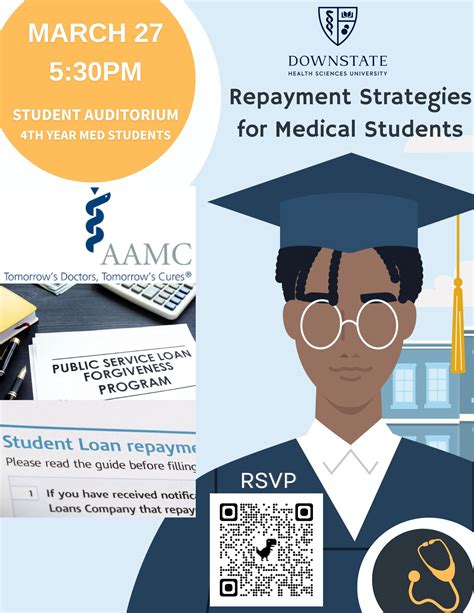
The SUNY Downstate Medical Center in Brooklyn, New York, offers a world-class education to aspiring healthcare professionals. However, securing adequate funding to cover the significant costs associated with medical school can be a daunting task. The SUNY Downstate Financial Aid Office is here to help you navigate the complex financial landscape and access the resources you need to achieve your educational goals.
What Services Does the Financial Aid Office Provide?
The SUNY Downstate Financial Aid Office provides a wide range of services to assist students in exploring and securing financial aid options, including:
- Financial counseling: Personalized one-on-one guidance to help you understand your financial aid options and make informed decisions.
- Application assistance: Expert assistance in completing the Free Application for Federal Student Aid (FAFSA) and other financial aid applications.
- Scholarship and grant searches: Access to a comprehensive database of scholarships and grants tailored to SUNY Downstate students.
- Loan processing: Administration of federal and private student loans to cover tuition, fees, and living expenses.
- Work-study program: Opportunities to earn income while attending school to supplement your financial aid package.
Types of Financial Aid Available
SUNY Downstate offers a variety of financial aid options to meet the needs of its diverse student population, including:
- Federal grants: Grants from the U.S. Department of Education that do not need to be repaid, such as the Federal Pell Grant and the Federal Supplemental Educational Opportunity Grant (SEOG).
- Federal loans: Loans from the U.S. government that must be repaid after graduation, such as the Direct Subsidized Loan and the Direct Unsubsidized Loan.
- State grants: Grants from the New York State Higher Education Services Corporation (HESC), such as the Tuition Assistance Program (TAP) and the Part-Time TAP.
- Institutional scholarships: Scholarships awarded by SUNY Downstate based on academic merit, financial need, or other criteria.
- Private scholarships: Scholarships awarded by private organizations and foundations outside of SUNY Downstate.
How to Apply for Financial Aid
To apply for financial aid at SUNY Downstate, you must first complete the FAFSA. The FAFSA is a federal form that collects information about your and your family’s financial situation. Once you have completed the FAFSA, you will receive a Student Aid Report (SAR), which will summarize your financial information and determine your eligibility for federal and state financial aid.
You should also contact the SUNY Downstate Financial Aid Office to explore additional financial aid options and apply for any institutional scholarships or grants that you may be eligible for.
Common Mistakes to Avoid
- Applying late: Submit your FAFSA as early as possible to increase your chances of receiving the maximum amount of financial aid.
- Not completing the FAFSA accurately: Answer all questions on the FAFSA honestly and completely to avoid delays in processing.
- Ignoring financial aid offers: Review your financial aid offers carefully and respond promptly to any requests for additional information.
- Not understanding your loan obligations: Make sure you fully understand the terms and conditions of any student loans you take out.
- Not seeking professional advice: If you have any questions or concerns about financial aid, don’t hesitate to contact the SUNY Downstate Financial Aid Office for assistance.
Step-by-Step Approach
- Complete the FAFSA: Submit the Free Application for Federal Student Aid (FAFSA) as early as possible after October 1st.
- Contact the SUNY Downstate Financial Aid Office: Schedule an appointment with a financial aid counselor to discuss your financial aid options and apply for any institutional scholarships or grants.
- Review your financial aid offers: Once you receive financial aid offers, carefully review the terms and conditions and respond promptly to any requests for additional information.
- Accept your financial aid: Once you have decided which financial aid options you want to accept, submit the appropriate acceptance forms to the SUNY Downstate Financial Aid Office.
- Manage your financial aid: Keep track of your financial aid disbursements and make sure you understand your loan obligations.
Additional Resources
- SUNY Downstate Financial Aid Office website: https://www.downstate.edu/financial-aid/
- FAFSA website: https://studentaid.gov/h/apply-for-aid/fafsa
- HESC website: https://www.hesc.ny.gov/
- National Association of Student Financial Aid Administrators (NASFAA) website: https://www.nasfaa.org/
Conclusion
The SUNY Downstate Financial Aid Office is an invaluable resource for students seeking to fund their education. By exploring the services, financial aid options, and step-by-step approach outlined in this guide, you can increase your chances of securing the financial assistance you need to succeed at SUNY Downstate Medical Center.
Table 1: Federal Grant Programs
| Grant | Maximum Annual Award | Eligibility Criteria |
|---|---|---|
| Federal Pell Grant | $6,895 | Demonstrated financial need |
| Federal Supplemental Educational Opportunity Grant (SEOG) | $4,000 | Exceptional financial need |
Table 2: Federal Loan Programs
| Loan | Interest Rate | Repayment Period |
|---|---|---|
| Direct Subsidized Loan | 5.28% | 10 years |
| Direct Unsubsidized Loan | 6.56% | 10 years |
| Graduate PLUS Loan | 7.54% | 10 years |
Table 3: State Grant Programs
| Grant | Maximum Annual Award | Eligibility Criteria |
|---|---|---|
| Tuition Assistance Program (TAP) | Up to $5,665 | New York State residency and financial need |
| Part-Time TAP | Up to $2,832 | Part-time New York State residents and financial need |
Table 4: Institutional Scholarship Programs
| Scholarship | Criteria | Amount |
|---|---|---|
| Health Professions Scholarship Program (HPSP) | U.S. citizen or permanent resident, needs-based | Full tuition and fees, plus a monthly stipend |
| National Health Service Corps (NHSC) Scholarship Program | U.S. citizen or permanent resident, agrees to work in an underserved area | Full tuition and fees, plus a monthly stipend |