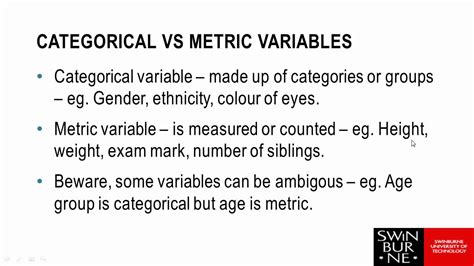
When analyzing data, it is often necessary to summarize the information in a way that makes it easy to understand and interpret. One way to do this is to calculate the sum of the variables in the data set. The sum of a variable is simply the total of all the values in the data set for that variable.

For example, if you have a data set of sales figures for different products, you could calculate the sum of the sales figures to get the total sales for all products. This information could then be used to create a bar chart or pie chart that shows the relative sales of each product.
The sum of a variable can also be used to calculate other important metrics, such as the mean, median, and mode. The mean is the average value of the data set, the median is the middle value of the data set, and the mode is the value that occurs most frequently in the data set. These metrics can provide valuable insights into the distribution of the data and can be used to make informed decisions.
How to Calculate the Sum of a Variable
The sum of a variable can be calculated using a variety of methods, including:
- Using a calculator: The simplest way to calculate the sum of a variable is to use a calculator. Simply enter the values of the variable into the calculator and then press the sum button.
- Using a spreadsheet: Spreadsheets can also be used to calculate the sum of a variable. To do this, enter the values of the variable into a column in the spreadsheet and then use the sum function to calculate the sum of the values in the column.
- Using a programming language: Programming languages can also be used to calculate the sum of a variable. To do this, you will need to write a program that loops through the values of the variable and adds them together.
Common Mistakes to Avoid
When calculating the sum of a variable, it is important to avoid the following common mistakes:
- Using the wrong data type: The data type of the variable must be compatible with the sum function. For example, if the variable is a string, you cannot use the sum function to calculate the sum of the values in the variable.
- Including missing values: Missing values can skew the results of the sum function. If there are any missing values in the data set, you should exclude them from the calculation.
- Using the wrong formula: The formula for calculating the sum of a variable can vary depending on the programming language or software that you are using. Make sure that you are using the correct formula for the specific language or software that you are using, or you could get incorrect results.
Benefits of Calculating the Sum of a Variable
Calculating the sum of a variable can provide a number of benefits, including:
- Summarizing data: The sum of a variable can be used to summarize the information in a data set in a way that makes it easy to understand and interpret.
- Calculating other metrics: The sum of a variable can be used to calculate other important metrics, such as the mean, median, and mode. These metrics can provide valuable insights into the distribution of the data and can be used to make informed decisions.
- Identifying trends: The sum of a variable can be used to identify trends in the data. For example, if you calculate the sum of sales figures for different products over time, you can see how sales have changed over time. This information can be used to make informed decisions about product development and marketing.
How to Use the Sum of a Variable in Practice
The sum of a variable can be used in a variety of practical applications, including:
- Financial analysis: The sum of a variable can be used to calculate financial metrics, such as total revenue, total expenses, and net profit. This information can be used to evaluate a company’s financial performance and make informed investment decisions.
- Market research: The sum of a variable can be used to calculate market research metrics, such as total market size, market share, and customer satisfaction. This information can be used to identify target markets, develop marketing strategies, and improve customer service.
- Operations management: The sum of a variable can be used to calculate operational metrics, such as total production output, total inventory, and total customer orders. This information can be used to improve efficiency, reduce costs, and increase customer satisfaction.
Conclusion
The sum of a variable is a powerful tool that can be used to summarize data, calculate other metrics, and identify trends. It can be used in a variety of practical applications, including financial analysis, market research, and operations management. By understanding how to calculate and use the sum of a variable, you can gain valuable insights into your data and make informed decisions.
Additional Resources
- How to Calculate the Sum of a Variable in Excel
- How to Calculate the Sum of a Variable in Python
- How to Calculate the Sum of a Variable in R
Tables
| Table 1: Common Mistakes to Avoid When Calculating the Sum of a Variable |
|—|—|
| Mistake | Description |
|—|—|
| Using the wrong data type | The data type of the variable must be compatible with the sum function. |
| Including missing values | Missing values can skew the results of the sum function. |
| Using the wrong formula | The formula for calculating the sum of a variable can vary depending on the programming language or software that you are using. |
| Table 2: Benefits of Calculating the Sum of a Variable |
|—|—|
| Benefit | Description |
|—|—|
| Summarizing data | The sum of a variable can be used to summarize the information in a data set in a way that makes it easy to understand and interpret. |
| Calculating other metrics | The sum of a variable can be used to calculate other important metrics, such as the mean, median, and mode. |
| Identifying trends | The sum of a variable can be used to identify trends in the data. |
| Table 3: Practical Applications of the Sum of a Variable |
|—|—|
| Application | Description |
|—|—|
| Financial analysis | The sum of a variable can be used to calculate financial metrics, such as total revenue, total expenses, and net profit. |
| Market research | The sum of a variable can be used to calculate market research metrics, such as total market size, market share, and customer satisfaction. |
| Operations management | The sum of a variable can be used to calculate operational metrics, such as total production output, total inventory, and total customer orders. |
| Table 4: Creative New Word to Generate Ideas for New Applications |
|—|—|
| Word | Description |
|—|—|
| Dataquotient | A measure of the value of data, calculated by dividing the sum of the variables in the data set by the number of variables in the data set. |