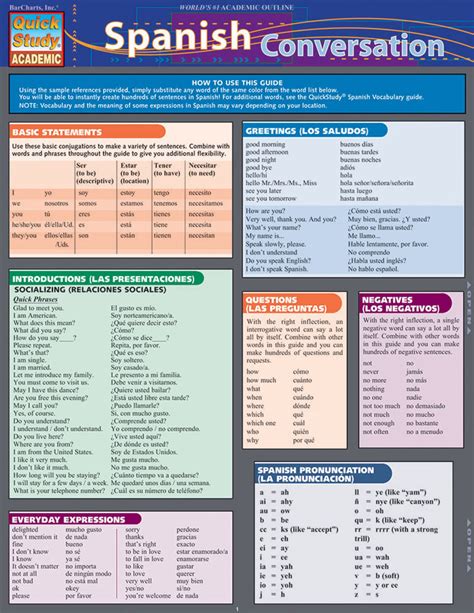
Mastering Spanish Unit 0 will set the foundation for your linguistic journey through the language. This comprehensive guide will provide you with an in-depth understanding of the fundamentals, making your learning experience smooth and efficient.
Key Concepts and Vocabulary
- Greetings and Introductions: Hola, buenos días/tardes/noches, ¿cómo está?, ¿cómo te llamas?
- Numbers and Basic Math: 1-10, addition, subtraction
- The Alphabet and Pronunciation: Mastering Spanish pronunciation is crucial. Pay attention to the differences between English and Spanish sounds.
- Definite and Indefinite Articles: el, la, los, las, un, una
- Basic Adjectives: grande, pequeño, rojo, azul
Grammar Essentials
- Noun and Adjective Agreement: Understand how nouns and adjectives must match in gender and number.
- Present Tense Regular Verbs: Learn to conjugate regular verbs (-ar, -er, -ir) in the present tense.
- Ser vs. Estar: These two verbs mean “to be” but have distinct uses.
- Basic Negation: no, nunca
- Yes/No Questions: ¿Verdad? ¿No?
Cultural Insights
- Greetings and Social Customs: Explore traditional Spanish greetings and understand the importance of politeness.
- Numbers and Measurements: Familiarize yourself with Spanish number formats and common units of measurement.
- Food and Daily Life: Discover basic vocabulary for food, daily routines, and household items.
Tables for Enhanced Understanding
Table 1: Greetings and Introductions
| Expression | English Translation |
|---|---|
| Hola | Hello |
| Buenos días | Good morning |
| Buenas tardes | Good afternoon |
| Buenas noches | Good evening |
| ¿Cómo está? | How are you? (formal) |
| ¿Cómo te llamas? | What is your name? |
Table 2: Present Tense Regular Verb Conjugations
| Verb | -ar | -er | -ir |
|---|---|---|---|
| Hablar (to speak) | hablo | hablas | habla |
| Comer (to eat) | como | comes | come |
| Vivir (to live) | vivo | vives | vive |
Table 3: Definite and Indefinite Articles
| Singular | Plural |
|---|---|
| el (masculine) | los (masculine) |
| la (feminine) | las (feminine) |
| un (masculine) | unos (masculine) |
| una (feminine) | unas (feminine) |
Table 4: Basic Adjectives
| Adjective | Meaning |
|---|---|
| grande | big |
| pequeño | small |
| rojo | red |
| azul | blue |
Tips and Tricks
- Immerse Yourself: Surround yourself with Spanish language through music, movies, and conversations.
- Practice Regularly: Consistency is key. Set aside a dedicated time for studying.
- Use Flashcards: Create flashcards for vocabulary and grammar rules.
- Find a Study Buddy: Collaborating with a language partner can boost your motivation.
- Don’t Be Afraid to Make Mistakes: Learning from mistakes is part of the process.
Common Mistakes to Avoid
- Mixing Up Ser and Estar: Be mindful of the different uses of these two verbs.
- Ignoring Gender and Number Agreement: Pay close attention to matching nouns and adjectives.
- Overusing Negation: Avoid excessive use of negative words like “no” or “nunca.”
- Rushing Pronunciation: Take time to pronounce words correctly, especially those with tricky sounds.
- Translating Word-for-Word: Understand the nuances of Spanish grammar and avoid direct translations.
Pros and Cons
Pros of Studying Spanish Unit 0:
- Strong Foundation: A solid grasp of the basics will enhance your language skills.
- Improved Communication: Expanding your vocabulary will enable you to express yourself more effectively.
- Cultural Appreciation: Insights into Spanish culture deepen your understanding and appreciation.
Cons of Studying Spanish Unit 0:
- Time Commitment: Learning a new language requires time and effort.
- Initial Confusion: Some concepts may be unfamiliar and challenging at first.
- Language Barriers: Communicating with native speakers can be daunting initially.
Conclusion
By following this study guide, you will gain a comprehensive understanding of Spanish Unit 0. Embrace the learning process, immerse yourself in the language, and overcome common challenges. Remember, mastering the basics is essential for a successful journey in Spanish. ¡Buena suerte!