Before you make a decision, ask yourself these questions:
- Do I miss my family and friends? If you’re homesick, a transfer could help you feel more connected to your loved ones.
- Can I afford the cost of living near home? Tuition and housing are typically cheaper at colleges closer to home.
- Will I have access to the same opportunities at a college near home? Consider factors such as academic programs, extracurricular activities, and career services.
- Am I comfortable with the idea of being closer to my parents? Some students may find it difficult to adjust to living near their parents after being independent at college.
Benefits of Transferring to a College Closer to Home:
- Reduced costs: Tuition and housing expenses can be significantly lower.
- Increased family support: You’ll have more opportunities to visit family and friends.
- Familiar environment: You won’t have to adjust to a new city or culture.
- Improved commute: You can avoid long commutes to and from school.
- Potential for scholarships: Some colleges offer scholarships specifically for students who transfer from local community colleges.
Drawbacks of Transferring to a College Closer to Home:
- Limited academic opportunities: Smaller colleges may not offer the same range of academic programs as larger universities.
- Fewer extracurricular activities: Clubs and organizations may be less diverse or active at smaller colleges.
- Potential for boredom: You may miss the excitement and independence of living away from home.
- Increased parental influence: Your parents may be more involved in your life, which could be a positive or negative depending on your relationship with them.
- Difficulty adjusting to life away from home again: If you eventually decide to transfer back to a college away from home, you may have to re-adjust to living independently.
Tips for Deciding:
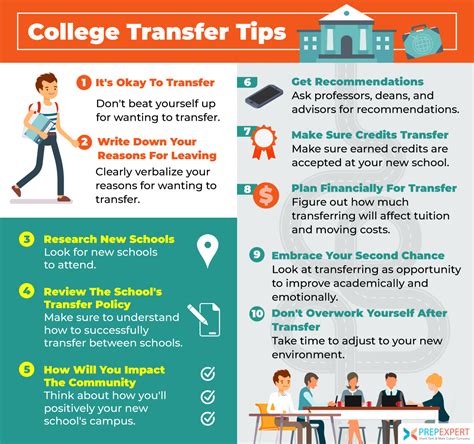
- Visit the college: Get a firsthand look at the campus, meet with faculty and students, and attend an information session.
- Talk to current transfer students: They can provide valuable insights into the transition process and the college experience.
- Weigh the pros and cons: Consider your personal circumstances, academic goals, and financial situation.
- Make a decision that’s right for you: There is no “correct” answer. The best decision for one student may not be the best decision for another.
Common Mistakes to Avoid:
- Transferring without exploring your options: Make sure you understand all of your choices before making a decision.
- Underestimating the costs: Factor in all of the expenses of transferring, including tuition, housing, and transportation.
- Overestimating the support you’ll receive from family: While your family may be supportive of your decision, they may not always be able to provide the level of support you expect.
- Ignoring your own needs: Don’t let the opinions of others influence your decision. Make sure you’re comfortable with the idea of transferring and that it’s the right choice for you.
- Transferring too late: If you’re considering transferring, start the process early. The earlier you apply, the more likely you are to get into the college of your choice.
Transferring to a College Closer to Home: A Creative Approach
If you’re torn between transferring to a college closer to home or staying at your current school, consider the following creative approach:
- Explore dual enrollment: Take courses at a local community college while still enrolled at your current school. This can help you save money and get a head start on your degree.
- Negotiate with your school: If you’re not happy with the academic or social environment at your current school, talk to your advisor or the dean of students. They may be able to work with you to improve your experience.
- Consider a gap year: Take a year off from college to travel, volunteer, or work. This can help you gain new perspectives and figure out what you want from your college experience.
Tables for Reference:
| College Expense Category | Average Annual Cost |
|---|---|
| Tuition and fees (public, in-state) | $25,620 |
| Tuition and fees (public, out-of-state) | $40,290 |
| Tuition and fees (private) | $51,690 |
| Room and board (on-campus) | $14,210 |
| Room and board (off-campus) | $13,590 |
| Books and supplies | $1,240 |
| Transportation | $1,780 |
| Personal expenses | $1,630 |
| Top Reasons for Transferring College | Percentage of Transfer Students |
|---|---|
| To be closer to home | 30% |
| To save money | 20% |
| To improve academic performance | 15% |
| To pursue a different major or program | 10% |
| To be part of a more diverse student body | 5% |
| Pros of Transferring to a College Closer to Home | Cons of Transferring to a College Closer to Home |
|---|---|
| Reduced costs | Limited academic opportunities |
| Increased family support | Fewer extracurricular activities |
| Familiar environment | Potential for boredom |
| Improved commute | Increased parental influence |
| Potential for scholarships | Difficulty adjusting to life away from home again |
| Tips for Transferring to a College Closer to Home |
|—|—|
| Visit the college |
| Talk to current transfer students |
| Weigh the pros and cons |
| Make a decision that’s right for you |