Introduction
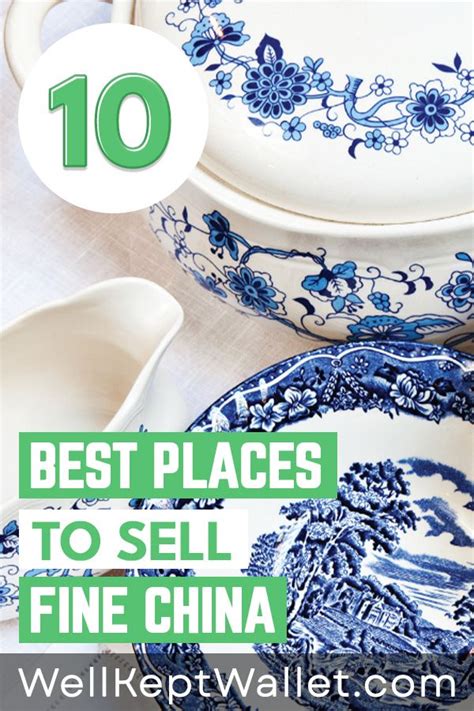
Fine china, with its intricate designs, delicate porcelain, and enduring value, has been a prized possession for centuries. Whether you inherited a set from a beloved family member or acquired it through a fortunate purchase, selling fine china can be an excellent way to unlock its monetary worth and make room for new treasures.
The Market for Fine China
According to a report by Statista, the global fine china market is projected to reach a staggering $5.4 billion by 2027. This growth is attributed to a resurging appreciation for traditional craftsmanship, an increase in disposable income, and the emergence of new collectors.
Determining the Value of Your Fine China
Before selling your fine china, it’s crucial to determine its value. Factors that influence its worth include:
- Brand and pattern: Renowned manufacturers like Wedgwood, Lenox, and Royal Doulton typically command higher prices. Popular patterns, especially those with historical significance, also increase value.
- Condition: Fine china should be free of chips, cracks, or repairs. Pristine pieces are worth significantly more than damaged ones.
- Completeness: A complete set of dinnerware or a full collection of figurines enhances the value. Individual pieces may have less value.
- Provenance: Documentation proving the authenticity and history of your fine china can significantly boost its worth.
Where to Sell Fine China
1. Auction Houses
Auction houses, such as Christie’s and Sotheby’s, offer a prestigious platform to sell valuable fine china. They attract serious collectors and often achieve premium prices. However, fees and commissions can be substantial.
2. Antique Dealers
Antique dealers specialize in buying and selling fine china. They have extensive knowledge of the market and can provide a fair price. However, they may offer a lower price than auction houses to mitigate their risks.
3. Consignment Stores
Consignment stores accept fine china on consignment and sell it on your behalf. They typically charge a commission on the sale price. This option is less expensive than auction houses but may result in a lower selling price.
4. Online Marketplaces
Platforms like eBay, Etsy, and 1stDibs offer online marketplaces where you can sell fine china directly to buyers. This requires extensive research, effective marketing, and reliable shipping arrangements.
Strategies for Selling Fine China
1. Gather Information: Research current market prices, consult with experts, and read industry publications to familiarize yourself with the value of your fine china.
2. Clean and Prepare: Clean your fine china thoroughly to enhance its presentation. Avoid harsh detergents or abrasives that could damage the surface.
3. Take High-Quality Photos: Use natural lighting and a neutral background to showcase the details of your fine china. Take multiple photos from different angles to provide a comprehensive view.
4. Write a Compelling Description: Provide detailed information about the brand, pattern, condition, and provenance of your fine china. Emphasize any unique or special features.
5. Set a Competitive Price: Research similar items that have recently sold and consider your fine china’s condition and desirability. Adjust your price accordingly to attract potential buyers.
6. Offer Exceptional Customer Service: Answer questions promptly, provide detailed information, and ensure a smooth transaction. Positive customer experiences can lead to repeat business and referrals.
Why Sell Fine China Matters
Unlock Monetary Value: Turn your cherished fine china into cash to fund renovations, pay for tuition, or invest in other ventures.
Make Room for New Treasures: Free up space in your home for new experiences or add to your collection with proceeds from the sale of your fine china.
Preserve Family History: Consider selling fine china that holds little sentimental value to preserve the valuable pieces for generations to come.
Benefits of Selling Fine China
Financial gain: Generate substantial income by selling your valuable fine china.
Decluttering and organization: Remove unneeded items from your home, creating a more organized and functional space.
Investment opportunity: Use the proceeds from the sale to invest in other assets or experiences that enhance your life.
Conclusion
Selling fine china is a rewarding experience that allows you to unlock its monetary worth and make room for new ventures. By following the strategies outlined in this article, you can maximize the value of your fine china and enjoy the financial and practical benefits it offers. Remember, the decision to sell fine china should be well-informed and aligns with your personal needs and aspirations.