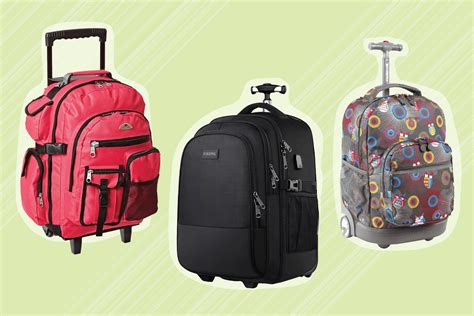
Are you a parent of a teen who complains of back pain from carrying a heavy backpack?
Are you a teen who is tired of lugging around a bulky backpack that hurts your shoulders and back?
If you answered yes to either of these questions, then you need to consider getting a rolling backpack.

Rolling backpacks are a great way for teens to transport their school supplies without having to carry the weight on their shoulders. This can help reduce back pain and discomfort while allowing teens to carry all of their essential belongings.
In this article, we will discuss the benefits of rolling backpacks for teens, the different types of rolling backpacks available, and how to choose the right rolling backpack for your needs.
Benefits of Rolling Backpacks for Teens
There are many benefits to using a rolling backpack for teens. Some of the most notable benefits include:
- Reduced back pain and discomfort: Rolling backpacks distribute the weight of school supplies evenly across the wheels, which reduces the amount of strain on the back and shoulders. This can help to prevent back pain and discomfort, especially for teens who carry heavy backpacks.
- Increased mobility: Rolling backpacks allow teens to move around more easily, which can be helpful in crowded hallways or on busy sidewalks. This can also be helpful for teens who participate in extracurricular activities that require them to carry a lot of gear.
- Convenience: Rolling backpacks are very convenient to use. They can be easily rolled behind you, and they don’t require you to carry them on your shoulders. This can be especially helpful for teens who have a long walk to school or who have to carry a lot of heavy books.
Types of Rolling Backpacks for Teens
There are two main types of rolling backpacks for teens:
- Soft-sided rolling backpacks: These backpacks are made from a soft, flexible material, such as nylon or polyester. They are lightweight and easy to maneuver, but they are not as durable as hard-sided rolling backpacks.
- Hard-sided rolling backpacks: These backpacks are made from a hard, durable material, such as plastic or metal. They are more durable than soft-sided rolling backpacks, but they are also heavier and more difficult to maneuver.
How to Choose the Right Rolling Backpack for Your Needs
When choosing a rolling backpack for your teen, there are a few things you should consider:
- The size of the backpack: The backpack should be large enough to hold all of your teen’s school supplies, but it should not be so large that it is difficult to maneuver.
- The weight of the backpack: The backpack should be lightweight enough to be easy to carry, but it should also be durable enough to withstand the weight of school supplies.
- The features of the backpack: Some rolling backpacks come with features such as multiple compartments, adjustable straps, and padded shoulder straps. These features can make the backpack more comfortable and convenient to use.
FAQs About Rolling Backpacks for Teens
Here are some of the most frequently asked questions about rolling backpacks for teens:
-
What is the best type of rolling backpack for teens?
The best type of rolling backpack for teens depends on their individual needs and preferences. Soft-sided rolling backpacks are lightweight and easy to maneuver, while hard-sided rolling backpacks are more durable. -
How much does a rolling backpack cost?
Rolling backpacks for teens can range in price from $50 to $200. The price of the backpack will depend on the size, weight, and features of the backpack. -
Where can I buy a rolling backpack?
Rolling backpacks can be purchased at a variety of retail stores, including department stores, office supply stores, and sporting goods stores. They can also be purchased online from retailers such as Amazon.com. -
How do I care for a rolling backpack?
Rolling backpacks should be cleaned regularly with a mild soap and water solution. Avoid using harsh chemicals or detergents, as these can damage the backpack. -
What is the warranty on rolling backpacks?
Most rolling backpacks come with a warranty of one year. The warranty will cover defects in materials and workmanship.