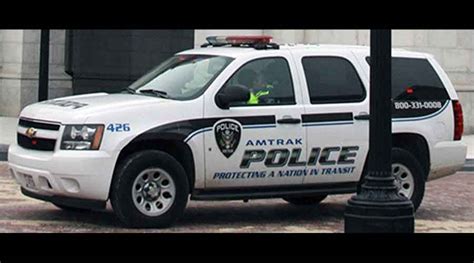
Introduction

Railroad police play a crucial role in maintaining public safety and security on the vast network of railroads that transport millions of passengers and billions of tons of freight each year. Their responsibilities encompass a wide range of tasks, from enforcing railroad regulations and laws to responding to emergencies and conducting criminal investigations.
Key Responsibilities
Railroad police officers have a diverse set of responsibilities, including:
- Enforcing Railroad Regulations and Laws: They ensure compliance with federal, state, and local laws and regulations governing railroad operations, including speed limits, safety equipment, and hazardous materials handling.
- Patrolling Railroad Property: They regularly patrol railroad tracks, yards, and facilities to deter crime, identify potential hazards, and respond to incidents.
- Responding to Emergencies: They respond to emergencies such as train derailments, collisions, and fires, providing assistance to passengers and crew members.
- Conducting Criminal Investigations: They investigate crimes committed on or involving railroad property, including theft, trespassing, and vandalism.
- Enforcing Trespassing Laws: They enforce laws prohibiting trespassers from walking or playing on railroad tracks, preventing injuries and accidents.
Qualifications and Training
To become a railroad police officer, candidates typically need:
- High School Diploma or Equivalent: A high school diploma or General Equivalency Diploma (GED) is generally required.
- Law Enforcement Experience: Prior law enforcement experience, either as a sworn officer or as a security guard, is often preferred.
- Railroad Knowledge: Familiarity with railroad operations and regulations is advantageous.
- Training: Recruits undergo specialized training programs covering railroad policing, law enforcement procedures, and emergency response.
Career Advancement
Railroad police officers can advance their careers through promotions and specialized training. They may move into supervisory roles, such as sergeant or commander, and specialize in areas such as criminal investigations or emergency management.
Benefits and Salaries
Railroad police officers enjoy competitive salaries and benefits packages, including:
- Salaries: According to the Bureau of Labor Statistics, the median annual salary for railroad police officers was $67,450 in May 2020.
- Benefits: Officers typically receive health insurance, paid time off, and retirement benefits.
Job Outlook
The job outlook for railroad police officers is expected to be competitive. According to the Bureau of Labor Statistics, employment of railroad police officers is projected to grow 7% from 2019 to 2029, faster than the average for all occupations.
Conclusion
Railroad police officers play a vital role in ensuring the safety and security of the nation’s railroads. Their responsibilities are vielfältig and challenging, requiring a combination of law enforcement skills, railroad knowledge, and emergency response training. With competitive salaries and benefits, a stable career path, and the opportunity to make a difference, railroad policing is a rewarding career choice for individuals seeking a career in law enforcement.
Essential Skills and Attributes for Railroad Police Officers
In addition to the formal qualifications and training mentioned earlier, railroad police officers should possess the following essential skills and attributes:
- Communication and interpersonal skills
- Physical fitness and agility
- Problem-solving and critical thinking abilities
- Knowledge of railroad operations and regulations
- Ability to work independently and as part of a team
- Strong ethical values and a commitment to public safety
Strategies for Enhancing Railroad Police Effectiveness
Railroad companies and law enforcement agencies can enhance the effectiveness of railroad police by:
- Providing comprehensive training and development programs
- Equipping officers with cutting-edge technology and resources
- Partnering with other law enforcement agencies and community organizations
- Implementing data-driven policing strategies
- Conducting regular performance evaluations to identify areas for improvement
Case Study: Innovative Technologies for Railroad Policing
Railroad companies are increasingly adopting innovative technologies to enhance the effectiveness of their police officers. For example:
- Drones: Drones are used to inspect railroad tracks and bridges, detect suspicious activity, and provide aerial support during emergencies.
- Body cameras: Body cameras record interactions between railroad police officers and the public, providing transparency and accountability.
- Artificial Intelligence (AI): AI-powered systems can analyze security camera footage and other data to identify potential threats and prevent crime.
Table 1: Railroad Police Officer Salaries by Region
| Region | Median Annual Salary |
|---|---|
| Northeast | $74,000 |
| South | $65,000 |
| Midwest | $67,000 |
| West | $70,000 |
Table 2: Essential Skills and Attributes for Railroad Police Officers
| Skill or Attribute | Description |
|---|---|
| Communication and interpersonal skills | Ability to communicate effectively with individuals from diverse backgrounds |
| Physical fitness and agility | Ability to perform demanding physical tasks |
| Problem-solving and critical thinking abilities | Capacity to analyze situations and make sound decisions under pressure |
| Knowledge of railroad operations and regulations | Familiarity with railroad safety laws and procedures |
| Ability to work independently and as part of a team | Can work effectively both autonomously and as a member of a team |
| Strong ethical values and a commitment to public safety | Unwavering dedication to the safety and security of the community |
Table 3: Strategies for Enhancing Railroad Police Effectiveness
| Strategy | Description |
|---|---|
| Comprehensive training and development programs | Provide officers with the knowledge and skills they need to excel in their roles |
| Cutting-edge technology and resources | Equip officers with tools that enhance their capabilities and safety |
| Partnerships with other law enforcement agencies and community organizations | Foster collaboration and information sharing |
| Data-driven policing strategies | Use data to identify crime patterns and develop effective prevention strategies |
| Regular performance evaluations | Monitor officer performance and provide feedback to support continuous improvement |
Table 4: Innovative Technologies for Railroad Policing
| Technology | Description |
|---|---|
| Drones | Unmanned aerial vehicles used for track inspections, surveillance, and emergency response |
| Body cameras | Worn by officers to record interactions with the public, providing transparency and accountability |
| Artificial Intelligence (AI) | AI-powered systems analyze data to identify potential threats and prevent crime |