Introduction: Delving into the Complexities of Race
The term “race” holds profound significance in human geography, encompassing both its social and physical implications. AP Human Geography provides a framework for understanding the multifaceted nature of race, examining its historical origins, cultural manifestations, and contemporary consequences.

Origins of Race: Unraveling the Layers of Identity
The concept of race emerged during the 18th and 19th centuries, largely influenced by European colonial expansion and the scientific advancements of the time. Carl Linnaeus, a Swedish taxonomist, proposed a hierarchical system of human classification based on physical characteristics. This system, known as “racial science,” became entangled with ideas of superiority and inferiority, giving rise to the notion of distinct racial groups.
Cultural Connotations: Expressions of Race in Society
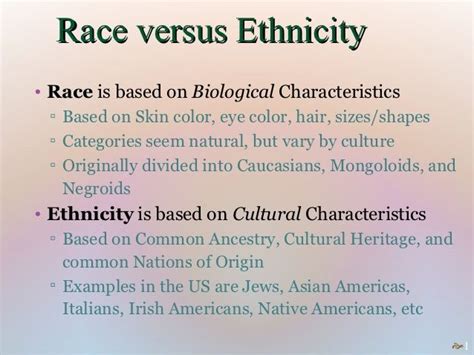
Race manifests itself not only in physical traits but also in cultural practices, beliefs, and social interactions. Cultural factors, such as language, religion, and customs, shape the way people identify and perceive their own race as well as that of others. These cultural expressions can reinforce or challenge the concept of race as a biological category.
Contemporary Implications: Race and Social Inequality
Despite the scientific consensus that race is not a biological reality, it continues to have a profound impact on social structures and outcomes. Racial inequality persists in various forms, ranging from discrimination in housing, education, and employment to disparities in health, wealth, and incarceration rates. Understanding the historical and cultural underpinnings of race is crucial for addressing these disparities and promoting social justice.
Theories of Race: Explaining Racial Constructs
AP Human Geography explores different theories that attempt to explain the concept of race. These theories include:
- Biological Racism: Argues that race is an inherent biological characteristic that determines an individual’s physical and intellectual abilities.
- Social Constructionism: Views race as a socially created category that is constantly evolving and influenced by power relations.
- Racial Formation Theory: Analyzes how racial categories are constructed through historical processes, cultural practices, and institutional structures.
Global Perspectives: Race in a World of Interconnections
Race is not a phenomenon isolated to specific regions or cultures. It manifests itself in diverse ways across the globe. AP Human Geography examines racial dynamics in various countries, including:
- Brazil: A nation with a complex racial history and a mixture of European, African, and Indigenous ancestry.
- South Africa: A country that has grappled with the legacy of apartheid and the ongoing struggle for racial equality.
- United States: A melting pot of racial and ethnic diversity, marked by a history of slavery, segregation, and racial tensions.
The Significance of Race: Why It Matters Today
Understanding race is essential for addressing contemporary challenges and promoting a more just and equitable society. By acknowledging the social construction of race and its enduring impact, we can:
- Combat racial discrimination and promote inclusion.
- Understand the root causes of racial inequality and develop effective policies to address them.
- Foster cross-cultural understanding and empathy by recognizing the experiences and perspectives of people from different racial backgrounds.
Benefits of Understanding Race: Enhancing Our Perspectives
Delving into the intricate tapestry of race offers numerous benefits:
- Enhances Critical Thinking: Challenges us to examine our own assumptions and biases about race and to question the underlying structures that perpetuate racial inequality.
- Promotes Empathy and Understanding: Fosters empathy for people from different racial backgrounds and helps us to understand their lived experiences.
- Creates a Foundation for Positive Change: Provides the knowledge and understanding necessary to work towards a more equitable and inclusive society.
Effective Strategies: Addressing Racial Inequality
Tackling racial inequality requires a multifaceted approach that includes:
- Education: Raising awareness about the social construction of race, its history, and its contemporary consequences.
- Policy Changes: Enacting policies that address systemic barriers faced by people of color, such as affirmative action programs and anti-discrimination laws.
- Intergroup Dialogue: Facilitating conversations and interactions between people from different racial backgrounds to break down stereotypes and build understanding.
- Community Engagement: Empowering communities of color to participate in decision-making and advocate for their needs.
A Path Forward: Embracing Inclusivity and Justice
Navigating the complexities of race requires a commitment to inclusivity and justice. By fostering understanding, challenging biases, and working towards equitable outcomes, we can create a society where all individuals have the opportunity to thrive regardless of their racial background.