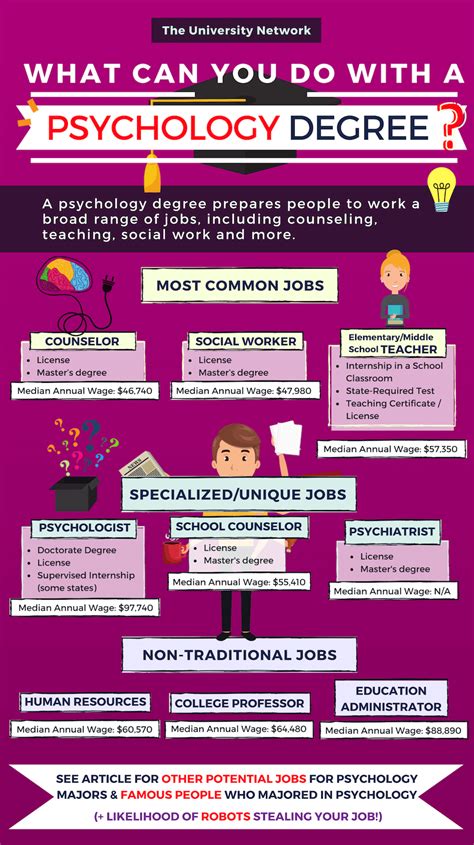
Pursuing a career in psychology can be incredibly rewarding, offering opportunities to make a meaningful impact on people’s lives. For those just starting out, numerous entry-level positions are available to help you gain valuable experience and build a solid foundation in the field.

Exploring Entry-Level Psychology Jobs
The job market for psychology graduates is constantly evolving, with various industries and organizations offering entry-level positions. Some of the most common include:
1. Research Assistant
- Key Responsibilities: Conduct research under the supervision of a psychologist, participate in data collection and analysis, and provide administrative support.
- Typical Salary: $30,000-$50,000 annually
2. Case Manager
- Key Responsibilities: Provide support and advocacy for clients with mental health challenges, coordinate treatment plans, and track progress.
- Typical Salary: $40,000-$60,000 annually
3. School Psychologist
- Key Responsibilities: Evaluate and provide support for students with behavioral or emotional issues, collaborate with teachers and parents, and promote mental well-being.
- Typical Salary: $50,000-$70,000 annually
4. Human Resources Specialist
- Key Responsibilities: Recruit and hire employees, develop training programs, and promote employee well-being.
- Typical Salary: $55,000-$75,000 annually
Job Search Strategies
1. Online Job Boards
- Indeed, Monster, and CareerBuilder offer extensive listings of entry-level psychology jobs.
- Utilize filters to narrow down your search by location, job title, and keyword.
2. University Career Services
- Many universities provide career counseling, resume writing assistance, and job fairs specifically for psychology graduates.
3. Networking
- Attend professional conferences, join psychology organizations, and connect with potential employers through LinkedIn.
Pain Points and Motivations
Pain Points
- Limited experience and lack of specialized skills
- Competition for entry-level positions
- Low starting salaries
Motivations
- A passion for helping others
- A desire to apply psychological principles in practice
- The opportunity for professional growth and advancement
Effective Strategies
1. Gain Practical Experience
- Volunteer in community organizations or internships to build your resume and gain hands-on experience.
- Consider pursuing a research assistantship or part-time job in the field.
2. Develop Specialized Skills
- Acquire certifications in specific areas of psychology, such as cognitive-behavioral therapy or crisis intervention.
- Take additional courses or workshops to enhance your knowledge and skills.
3. Network and Build Relationships
- Attend industry events, join professional organizations, and connect with professionals in your field.
- Seek out mentors who can provide guidance and support.
Step-by-Step Approach
1. Identify Your Career Goals
- Determine which area of psychology you are most interested in and what type of work you want to do.
2. Explore Job Options
- Research various entry-level psychology jobs to identify those that align with your interests and skills.
3. Gain Experience
- Pursue volunteer, internship, or part-time opportunities to gain practical experience.
4. Build Your Skills
- Acquire specialized skills through certifications, courses, or workshops.
5. Job Search
- Utilize online job boards, career services, and networking to identify and apply for entry-level psychology jobs.
6. Interview Preparation
- Practice your interview skills and prepare thoughtful answers to common interview questions.
7. Career Advancement
- Continue to develop your skills and seek professional development opportunities.
- Consider pursuing advanced degrees to enhance your career prospects.
Creative Applications: “Psycho-Tech”
The field of psychology is constantly evolving, creating opportunities for innovative applications. “Psycho-Tech” is a term coined to describe the intersection of psychology and technology. Here are some potential applications:
1. Mental Health Apps
- Develop apps that provide self-help resources, therapy services, and mental health tracking.
2. Artificial Intelligence (AI) in Psychology
- Utilize AI to analyze data, predict outcomes, and make informed decisions in clinical settings.
3. Virtual and Augmented Reality (VR/AR)
- Immerse patients in virtual environments to enhance therapy and improve mental well-being.
4. Data-Driven Psychology
- Collect and analyze large datasets to understand behavioral patterns and optimize interventions.
Tables
Table 1: Common Psychology Entry Level Jobs
| Job Title | Typical Salary | Responsibilities |
|---|---|---|
| Research Assistant | $30,000-$50,000 | Conduct research, collect data, provide administrative support |
| Case Manager | $40,000-$60,000 | Provide support and advocacy for clients, coordinate treatment plans |
| School Psychologist | $50,000-$70,000 | Evaluate and support students, collaborate with teachers and parents |
| Human Resources Specialist | $55,000-$75,000 | Recruit and hire employees, develop training programs |
Table 2: Pain Points and Motivations for Entry-Level Psychology Jobs
| Pain Points | Motivations |
|---|---|
| Limited experience | Passion for helping others |
| Competition | Desire to apply psychological principles |
| Low starting salaries | Opportunity for professional growth |
Table 3: Effective Strategies for Entry-Level Psychology Jobs
| Strategy | Description |
|---|---|
| Gain Practical Experience | Volunteer, intern, or work part-time in the field |
| Develop Specialized Skills | Acquire certifications or take additional courses |
| Network and Build Relationships | Attend events and connect with professionals |
Table 4: Innovative “Psycho-Tech” Applications
| Application | Description |
|---|---|
| Mental Health Apps | Provide self-help resources and therapy services |
| AI in Psychology | Analyze data and make informed decisions |
| VR/AR | Immerse patients in virtual environments for therapy |
| Data-Driven Psychology | Collect and analyze data to understand behavioral patterns |