As a prospective or current graduate student at Princeton University, finding suitable housing can be a significant undertaking. The university offers a diverse range of on-campus and off-campus housing options tailored to the needs of its graduate students. This comprehensive guide will explore the available housing options, provide essential information, and offer valuable insights to assist you in making informed decisions.
University Housing Options
On-Campus Housing
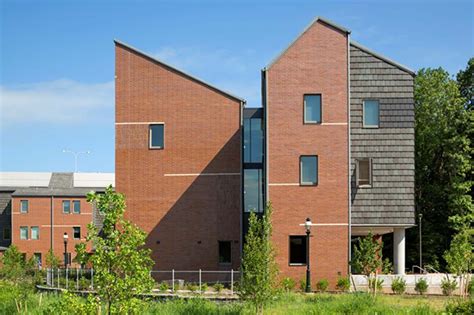
Princeton University provides various on-campus housing options, including dormitories, apartments, and townhouses. These accommodations are managed by the Graduate School and offer the convenience of being located within or adjacent to the university campus.
- Dormitories: Traditional dormitory-style housing, typically with shared bedrooms and communal bathrooms.
- Apartments: Self-contained units with private bedrooms, bathrooms, and kitchens.
- Townhouses: Multi-level units with multiple bedrooms, bathrooms, and living spaces.
Benefits of On-Campus Housing:
- Proximity to campus facilities and resources
- Built-in social opportunities and community building
- Meal plans and utilities often included in rent
Off-Campus Housing
For those seeking more independence or privacy, off-campus housing options are plentiful in the surrounding areas of Princeton. Apartments, houses, and shared rentals are widely available and offer a broader range of choices in terms of size, amenities, and location.
- Apartments: Similar to on-campus apartments, off-campus units may vary in size from studios to multiple bedrooms.
- Houses: Single-family homes or townhouses with private yards or driveways.
- Shared Rentals: Individual rooms in shared houses or apartments with shared common areas.
Benefits of Off-Campus Housing:
- Greater privacy and autonomy
- Customization options in terms of amenities and decor
- Potential for cost savings compared to on-campus options
Comparing Costs
The cost of housing varies depending on the type of accommodation, location, and amenities. On-campus options typically have fixed rates set by the university, while off-campus housing costs may fluctuate with market conditions.
| Type of Housing | Annual Rent Range |
|---|---|
| On-Campus Dormitory | $12,000 – $18,000 |
| On-Campus Apartment | $16,000 – $25,000 |
| Off-Campus Apartment | $15,000 – $30,000 |
| Off-Campus House | $20,000 – $45,000 |
Additional Expenses to Consider:
- Utilities (electricity, gas, water)
- Meal plans (for on-campus dormitories)
- Parking permits (for off-campus residents)
- Moving expenses (for off-campus housing)
Common Mistakes to Avoid
- Not researching thoroughly: Explore all housing options available and compare prices, amenities, and locations before making a decision.
- Signing a lease without understanding the terms: Read and understand the terms of your lease agreement carefully before signing.
- Overestimating your budget: Factor in the total cost of housing, including additional expenses such as utilities and parking.
- Ignoring the commute time: If considering off-campus housing, consider the commute time to campus and the transportation options available.
- Renting without a roommate: Sharing housing with a roommate can significantly reduce costs and provide companionship.
FAQs
1. What is the availability of graduate student housing on campus?
On-campus housing is highly competitive, especially during peak periods. It is recommended to apply for housing as early as possible.
2. Do I need to pay a security deposit for off-campus housing?
Most off-campus landlords require a security deposit, typically equal to one or two months’ rent.
3. What are the housing options available for international students?
The Graduate School offers special housing programs for international students, including dormitories and shared apartments with other international students.
4. Is there any financial assistance available for graduate student housing?
Limited financial assistance may be available to eligible students in the form of housing allowances or scholarships.
5. What are the best neighborhoods to live in off campus?
Popular neighborhoods near campus include Witherspoon-Jackson, Nassau Street, and the Princeton Meadows.
6. How do I find a roommate for shared housing?
Several online platforms and student organizations connect potential roommates. The Graduate Student Government also provides roommate matching services.
Conclusion
Finding suitable housing as a graduate student at Princeton University requires thorough research, thoughtful consideration of your needs and preferences, and careful planning. By exploring the available options, understanding the costs, and avoiding common mistakes, you can make informed decisions that will support your academic and personal well-being throughout your graduate studies.