Introduction
The establishment of Portuguese trade posts marked a pivotal moment in the history of global trade and exploration. From the 15th to the 19th centuries, Portugal played a leading role in maritime expeditions, establishing a vast network of trading centers that spanned the globe. These posts served as gateways for the exchange of goods, ideas, and technologies, shaping the course of human civilization.

The Age of Discovery
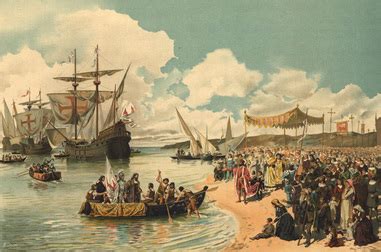
The Portuguese Age of Discovery began in the early 15th century with Prince Henry the Navigator. Inspired by tales of wealth and adventure beyond the known world, he sponsored voyages that pushed the boundaries of maritime exploration. In 1419, the Portuguese sailor Bartolomeu Dias rounded the Cape of Good Hope, opening up a direct sea route to the Indian Ocean.
Trade Routes and Commodities
The Portuguese trade posts became essential hubs in a complex network of sea routes that connected Europe, Asia, Africa, and the Americas. Portuguese ships carried a wide range of commodities, including spices, textiles, gold, ivory, and slaves. In return, they brought back luxury goods, such as porcelain, silk, and tea.
Commercial Empire
The establishment of trade posts allowed Portugal to establish a vast commercial empire. By controlling strategic locations along vital trade routes, the Portuguese gained a monopoly on certain commodities and amassed immense wealth. They also played a dominant role in the slave trade, transporting millions of Africans to the Americas.
Cultural Exchange
In addition to their economic significance, Portuguese trade posts served as centers of cultural exchange. European and non-European peoples encountered each other, sharing knowledge, technologies, and ideas. This interaction had a profound impact on both cultures, influencing art, architecture, and religious beliefs.
Portuguese Trade Posts in Africa
Africa was a major focus of Portuguese trade activities. They established a series of trading posts along the coast of West Africa, including Elmina, Benin, and Luanda. These posts became centers for the slave trade and the export of gold and ivory.
Portuguese Trade Posts in India
India was another key destination for Portuguese traders. In 1510, they conquered Goa, which became the headquarters of their Indian operations. Goa became a major center for the spice trade, connecting Europe to the markets of the East.
Portuguese Trade Posts in the Americas
The Portuguese also established trade posts in Brazil and other parts of the Americas. They sought to capitalize on the region’s resources, including sugar, tobacco, and precious metals.
The Legacy of Portuguese Trade Posts
The Portuguese trade posts had a lasting impact on the world. They facilitated the global exchange of goods, technologies, and ideas. They also contributed to the rise of European colonialism and the establishment of global trading systems.
Impact on Global Trade
The establishment of Portuguese trade posts played a crucial role in the development of global trade. They opened up new markets and created a network of connections that spanned the globe. This increased trade volumes and fostered economic growth in both Europe and the rest of the world.
Cultural Impact
The Portuguese trade posts had a profound cultural impact on the world. They introduced new ideas, technologies, and artistic styles to different regions. This cross-cultural exchange enriched the cultures of both Europe and the non-European world.
Economic Impact
The Portuguese trade posts generated immense wealth for Portugal. They provided a steady flow of spices, gold, and other commodities, which fueled the Portuguese economy. The profits from trade also supported the exploration and colonization of new territories.
Technological Impact
The Portuguese trade posts facilitated the transfer of technologies between different regions. European navigational techniques were introduced to Asia and Africa, while Chinese porcelain production was brought to Europe. This exchange of technological knowledge accelerated the pace of innovation.
Conclusion
The Portuguese trade posts played a pivotal role in the history of global trade and exploration. They were gateways for the exchange of goods, ideas, and technologies, shaping the course of human civilization. The legacy of these posts is still felt today, in the global trade networks and cultural influences that they helped to create.
Additional Information
Portuguese Trade Posts in the 16th Century
- In the 16th century, Portugal established over 60 trade posts around the world.
- These posts were located in Africa, Asia, and the Americas.
- The most important Portuguese trade posts included Goa in India, Malacca in Malaysia, and Lisbon in Portugal.
Impact on the Portuguese Economy
- The Portuguese trade posts generated immense wealth for Portugal.
- The profits from trade accounted for over half of the Portuguese government’s revenue in the 16th century.
- The wealth from trade also supported the construction of new ships and the exploration of new territories.
Cultural Exchange
- The Portuguese trade posts served as centers of cultural exchange.
- European and non-European peoples encountered each other and shared knowledge, technologies, and ideas.
- This cross-cultural exchange had a profound impact on both cultures.
Impact on Global History
- The Portuguese trade posts played a crucial role in the rise of European colonialism.
- They provided a base for European powers to establish control over new territories.
- The global trade networks created by the Portuguese also facilitated the spread of European ideas and technologies around the world.
Tables
Table 1: Portuguese Trade Posts in the 16th Century
| Location | Year Established | Importance |
|---|---|---|
| Goa, India | 1510 | Center of the spice trade |
| Malacca, Malaysia | 1511 | Gateway to the East |
| Lisbon, Portugal | 1480 | Headquarters of Portuguese trade |
| Elmina, Ghana | 1482 | Center of the slave trade |
| Benin, Nigeria | 1485 | Source of ivory and gold |
| Luanda, Angola | 1575 | Major port in West Africa |
Table 2: Commodities Traded by Portuguese Merchants
| Commodity | Origin | Destination |
|---|---|---|
| Spices | India, Indonesia | Europe |
| Gold | Africa | Europe |
| Ivory | Africa | Europe |
| Slaves | Africa | Americas |
| Porcelain | China | Europe |
| Silk | China | Europe |
Table 3: Impact of Portuguese Trade Posts on the Portuguese Economy
| Impact | Data |
|---|---|
| Increased wealth | Profits from trade accounted for over half of the Portuguese government’s revenue in the 16th century. |
| Supported exploration | The wealth from trade supported the construction of new ships and the exploration of new territories. |
| Stimulated economic growth | The trade posts created new markets and increased trade volumes, fostering economic growth in both Portugal and the rest of the world. |
Table 4: Impact of Portuguese Trade Posts on Global History
| Impact | Data |
|---|---|
| Facilitated European colonialism | The trade posts provided a base for European powers to establish control over new territories. |
| Spread European ideas | The global trade networks created by the Portuguese also facilitated the spread of European ideas and technologies around the world. |
| Encouraged cultural exchange | The trade posts served as centers of cultural exchange, bringing together people from different cultures and fostering the sharing of knowledge and ideas. |