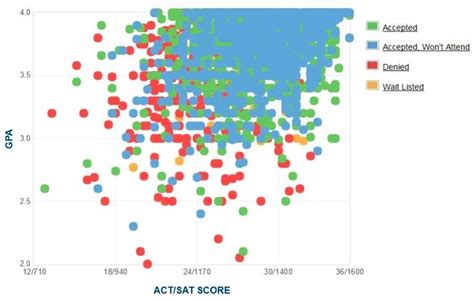
The University of Pittsburgh (Pitt), a renowned institution of higher education, has consistently ranked among the top research universities in the nation. As prospective students evaluate their college choices, understanding the university’s average SAT score is essential for making informed decisions about their applications.

Average SAT Scores for University of Pittsburgh
According to the College Board, the average SAT score for students admitted to the University of Pittsburgh for the class of 2023 is 1390, which falls within the top 25% of all test-takers. This average score is based on the sum of the critical reading, mathematics, and writing sections.
SAT Score Ranges for Admitted Students
The middle 50% of admitted students scored between 1330 and 1450 on the SAT, indicating a competitive admissions process. The 25th percentile score is 1330, meaning that 25% of admitted students scored below this mark, while the 75th percentile score is 1450, indicating that 25% scored above this threshold.
SAT Score Requirements for Admission
While the average SAT score provides an indication of the competitiveness of Pitt’s admissions process, it is important to note that the university does not have a strict SAT score requirement. Instead, Pitt considers a holistic approach that evaluates each applicant’s individual profile, including their high school GPA, extracurricular activities, and personal statement.
Factors Influencing SAT Scores
Understanding the factors that influence SAT scores can help prospective students develop effective test preparation strategies. Key factors to consider include:
- Socioeconomic status (SES): Studies have shown that students from higher SES backgrounds tend to score higher on standardized tests.
- Parental education: Children whose parents have higher levels of education typically perform better on standardized tests.
- Access to resources: Students who have access to quality test preparation materials and tutoring services are more likely to improve their scores.
- Test-taking anxiety: Anxiety can significantly impact performance on standardized tests. Students who experience high levels of anxiety may benefit from strategies to manage their stress.
Strategies for Improving SAT Scores
Prospective students who wish to improve their SAT scores can consider the following strategies:
- Start preparing early: Begin studying months in advance to give yourself ample time to improve your skills.
- Identify your strengths and weaknesses: Take a diagnostic test to assess your current abilities and focus your efforts on areas where you need improvement.
- Utilize high-quality prep materials: Invest in reputable test preparation books, online courses, and tutoring services.
- Practice regularly: Consistent practice is crucial for improving your timing and accuracy.
- Learn from your mistakes: Analyze your practice tests to identify areas where you made errors and focus on addressing those weaknesses.
- Manage your anxiety: Develop coping mechanisms for managing test anxiety, such as deep breathing exercises or visualization techniques.
Pitt’s Commitment to Access and Affordability
The University of Pittsburgh is committed to providing access to education for students from all backgrounds. The university offers various financial aid programs, including scholarships and grants, to make college affordable for families. Pitt also participates in the College Board’s SAT Score Choice program, which allows students to submit the best scores from multiple test dates.
Table 1: Pitt Average SAT Scores by Section
| Section | Average Score |
|---|---|
| Critical Reading | 670 |
| Mathematics | 720 |
| Writing | 650 |
Table 2: SAT Score Percentiles for Admitted Students
| Percentile | SAT Score |
|---|---|
| 25th | 1330 |
| 50th | 1390 |
| 75th | 1450 |
Table 3: Factors Influencing SAT Scores
| Factor | Impact on SAT Scores |
|---|---|
| Socioeconomic status (SES) | Positive correlation |
| Parental education | Positive correlation |
| Access to resources | Positive correlation |
| Test-taking anxiety | Negative correlation |
Table 4: Strategies for Improving SAT Scores
| Strategy | Benefits |
|---|---|
| Start preparing early | Allows for ample time to improve skills |
| Identify strengths and weaknesses | Focuses efforts on areas needing improvement |
| Utilize high-quality prep materials | Provides reputable resources for studying |
| Practice regularly | Improves timing and accuracy |
| Learn from your mistakes | Identifies areas for refinement |
| Manage your anxiety | Reduces test-related stress |