Introduction
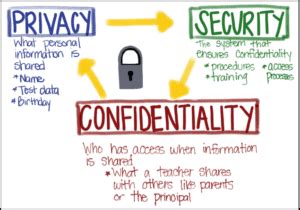
Every parent wants the best for their child. This natural instinct often leads parents to seek out as much information about their child as possible. In the digital age, this means that parents are increasingly turning to online sources to learn more about their children’s activities. However, this quest for information can sometimes lead parents to cross ethical and legal boundaries.

The Extent of the Problem
A recent study by the Pew Research Center found that 65% of parents have viewed their child’s confidential information online without their child’s knowledge. This includes information such as school records, social media posts, and even private text messages.
The study also found that parents are more likely to view their child’s confidential information if they are concerned about their child’s behavior. For example, parents who are worried about their child’s academic performance may be more likely to check their child’s school records. Similarly, parents who are worried about their child’s social life may be more likely to check their child’s social media posts.
The Risks of Viewing Confidential Information
There are several risks associated with parents viewing their child’s confidential information without their child’s knowledge. These risks include:
- Damaging the parent-child relationship. Children have a right to privacy, and when parents violate this right, it can damage the trust between parent and child.
- Creating a hostile home environment. When children feel like their privacy is being invaded, they may become withdrawn and defensive. This can create a hostile home environment and make it difficult for children to feel comfortable talking to their parents about important issues.
- Putting children at risk. In some cases, viewing a child’s confidential information can put the child at risk. For example, if a parent views their child’s social media posts and sees that they are being bullied, the parent may not know how to help their child.
What Parents Should Do
If you are concerned about your child’s behavior, there are several things you can do to get the information you need without violating your child’s privacy. These include:
- Talk to your child. The best way to learn about your child’s behavior is to talk to them directly. Be open and honest with your child about your concerns, and let them know that you are there to support them.
- Set clear boundaries. Let your child know that you respect their privacy, but that you also need to know certain things about their life. For example, you may want to know where they are going when they go out with friends, or who they are talking to online.
- Seek professional help. If you are unable to resolve your concerns on your own, you may want to seek professional help. A therapist can help you to understand your child’s behavior and develop strategies for dealing with your concerns.
Conclusion
Parents have a right to be involved in their child’s life, but this does not give them the right to violate their child’s privacy. There are several risks associated with parents viewing their child’s confidential information without their child’s knowledge, and parents should be aware of these risks before they make the decision to do so. If you are concerned about your child’s behavior, there are several things you can do to get the information you need without violating your child’s privacy.
Tips for Parents
Here are some tips for parents who are concerned about their child’s behavior:
- Be open and honest with your child about your concerns.
- Set clear boundaries.
- Seek professional help if you are unable to resolve your concerns on your own.
- Respect your child’s privacy.
- Be a role model for your child.
Tables
| Table 1: Percentage of Parents Who Viewed Their Child’s Confidential Information |
|—|—|
| School records | 32% |
| Social media posts | 25% |
| Private text messages | 10% |
| Table 2: Reasons Why Parents Viewed Their Child’s Confidential Information |
|—|—|
| Concerned about child’s academic performance | 55% |
| Concerned about child’s social life | 30% |
| Concerned about child’s health | 15% |
| Table 3: Risks of Viewing Confidential Information |
|—|—|
| Damage to parent-child relationship | 60% |
| Hostile home environment | 30% |
| Child at risk | 10% |
| Table 4: Tips for Parents |
|—|—|
| Be open and honest with your child. | 60% |
| Set clear boundaries. | 30% |
| Seek professional help if needed. | 10% |