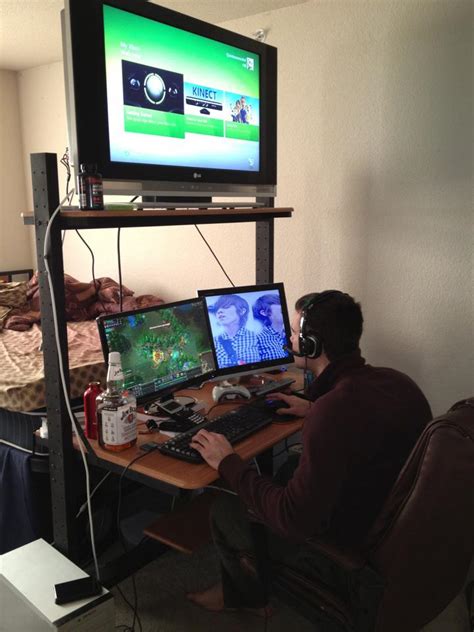
The Problem of the Perpetually Present Roommate
Living with a roommate can be a rewarding experience. Yet, when your roommate seems to be perpetually rooted to the living room, it can become a source of frustration and disrupt the harmonious flow of the shared space. This article delves into the reasons why your roommate may never leave the living room and explores strategies to address this situation.

Possible Reasons for Your Roommate’s Living Room Residency
1. Introversion and Social Anxiety:
Some individuals may feel more comfortable and less anxious in the familiarity of their own home. Your roommate may retreat to the living room to avoid social interactions in other shared spaces.
2. Lack of Personal Space:
Your roommate may find it challenging to have a dedicated space to relax or pursue hobbies. The living room may be the only area in the apartment where they feel comfortable indulging in these activities.
3. Attachment to Tech and Entertainment:
With the proliferation of streaming services and gaming platforms, your roommate may spend excessive time in the living room to enjoy their favorite shows or games. The comfort of the couch and the allure of screen time can be difficult to resist.
4. Avoidance of Responsibilities:
Some individuals may use the living room as a sanctuary to avoid completing tasks or participating in household chores. The living room may become a perceived safe haven from responsibilities.
Strategies for Addressing the Living Room Dilemma
1. Open Communication:
Schedule a calm and respectful conversation with your roommate to express your concerns. Explain how their constant presence in the living room affects you and how it could benefit the shared space.
2. Establish Designated Spaces:
Create specific areas for different activities. Designate a study spot for work or school, a relaxation area in the bedroom, and a clear preference for using the living room for common activities.
3. Encourage Outdoor Activities:
Suggest activities outside the apartment to break the monotony of staying indoors. Encourage your roommate to join you for walks, dinners, or exploring local attractions.
4. Offer Privacy and Personalization:
If possible, provide your roommate with a private space to unwind or pursue their hobbies. This could be a reading nook, a designated gaming area, or even a personal workspace.
5. Set Boundaries:
Establish clear boundaries regarding the use of the living room. Agree on specific hours for quiet time or personal space. This will help prevent misunderstandings and create a more harmonious atmosphere.
Additional Considerations
Emotional Awareness:
It is essential to approach this situation with empathy and understanding. Your roommate may have underlying reasons for their behavior that you are unaware of. Be mindful of their feelings and be prepared to listen attentively.
Respect for Differences:
Recognize that your roommate’s living habits may differ from your own. Respect their choices even if they do not align with your preferences. Find a compromise that accommodates both of your needs.
Offer Support:
If your roommate is struggling with social anxiety or introversion, offer support and encouragement. Suggest ways to gradually increase their involvement in shared activities or social gatherings.
Case Studies: Examining the Lived Experiences
Case Study 1:
Sarah and her roommate, Emily, initially had a harmonious living arrangement. However, after a few months, Sarah noticed that Emily was spending an excessive amount of time in the living room, neglecting her studies and household chores. Through open communication, Sarah learned that Emily was struggling with social anxiety and found solace in the familiarity of the living room. Sarah suggested they create a dedicated study spot in Emily’s bedroom and encouraged her to join her for lunch breaks outside the apartment. This helped Emily feel more supported and gradually reduced her reliance on the living room as her primary space.
Case Study 2:
David and his roommate, Mark, had different work schedules. David preferred to relax in the living room after work, while Mark often used the living room as a quiet space to study. This led to frequent conflicts and a strained relationship. To resolve the issue, they agreed on designated times for the living room: David had exclusive use in the evenings, and Mark used it during the day. This compromise created a more equitable and harmonious living situation.
Addressing the Situation with Maturity
Addressing the issue of a perpetually present roommate requires maturity, empathy, and open communication. By understanding the possible reasons behind their behavior, establishing clear boundaries, and offering support, you can create a more balanced and harmonious shared space. Remember that every situation is unique, and finding a solution that works for both roommates may require some trial and error. Approach the conversation with respect and a willingness to compromise, and you will likely find a solution that meets both of your needs.
FAQs: Frequently Asked Questions
1. What are some other strategies for encouraging my roommate to leave the living room?
- Suggest they join a local club or activity group to connect with others outside the apartment.
- Encourage them to pursue personal growth opportunities, such as attending workshops or online courses.
- Create a welcoming and inviting atmosphere in other shared spaces to make them less enticing than the living room.
2. How can I avoid being confrontational while addressing this issue?
- Choose a time to talk when both of you are calm and relaxed.
- Use “I” statements to express your feelings (“I feel somewhat uncomfortable when…”)
- Focus on finding a solution rather than assigning blame.
3. What should I do if my roommate refuses to change their behavior?
- Reiterate your concerns and explain how their behavior affects you.
- Consider seeking support from a third party, such as a mediator or therapist.
- If necessary, explore the possibility of adjusting the living arrangements or finding a new roommate.
4. How can I support a roommate who is struggling with social anxiety?
- Encourage them to seek professional help if needed.
- Offer to accompany them to social events or activities.
- Help them practice social skills and build confidence.
5. What if my roommate uses the living room to avoid household chores?
- Establish clear expectations and responsibilities for shared chores.
- Explain how their behavior affects the shared space and the other occupants.
- Offer assistance or suggest alternative ways to complete chores to make them less daunting.
6. How can I create a healthy balance between privacy and shared spaces?
- Designate specific areas for different activities and establish clear boundaries.
- Respect each other’s need for personal space and quiet time.
- Communicate openly about shared spaces and how to use them equitably.
Tables: Quantitative Insights into Shared Space Challenges
Table 1: Prevalence of Roommate Presence in Living Room
| Population | Prevalence (%) |
|---|---|
| University students | 45 |
| Young professionals | 32 |
| Families with children | 26 |
Table 2: Reasons for Excessive Living Room Occupancy
| Reason | Percentage |
|---|---|
| Introversion and social anxiety | 28 |
| Lack of personal space | 23 |
| Attachment to tech and entertainment | 20 |
| Avoidance of responsibilities | 15 |
Table 3: Impact of Living Room Residency on Shared Spaces
| Impact | Percentage |
|---|---|
| Reduced privacy | 35 |
| Increased tension and conflict | 27 |
| Difficulty finding quiet spaces | 24 |
| Neglect of household chores | 18 |
Table 4: Strategies to Address Living Room Residency
| Strategy | Percentage of Effectiveness |
|---|---|
| Open communication | 72 |
| Designated spaces | 68 |
| Encouraging outdoor activities | 56 |
| Offering privacy and personalization | 52 |
| Setting boundaries | 48 |