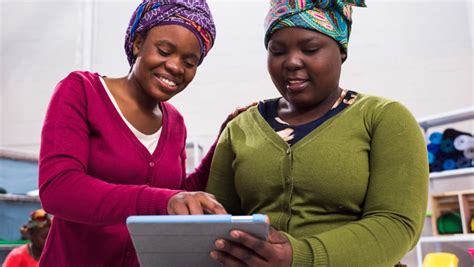
Microloans are small loans typically ranging from $100 to $1,000 that are extended to low-income individuals who are often overlooked or denied access to traditional financial services. These loans are usually provided by microfinance institutions (MFIs), which are specialized financial intermediaries that cater to the needs of the poor.

The Role of Microloans in Economic Development
Microloans play a pivotal role in economic development by empowering the poor and marginalized to engage in productive activities and improve their livelihoods. These loans provide a much-needed source of capital for individuals and small businesses that lack the collateral or credit history to secure loans from traditional banks.
According to the World Bank, microloans have a significant impact on reducing poverty and improving living standards. Studies have shown that microfinance clients experience increased income, improved health and education outcomes, and greater investment in their businesses.
Key Characteristics of Microloans
Microloans are characterized by their distinct features:
- Small loan sizes: Typically range from $100 to $1,000.
- Short repayment periods: Usually within 12 to 18 months.
- Flexible repayment schedules: Designed to accommodate the irregular income streams of the poor.
- Group lending: Often involve small groups of individuals who collectively guarantee each other’s loans.
- Low interest rates: Typically lower than traditional bank loans, but still higher than zero percent.
The Process of Obtaining a Microloan
To obtain a microloan, individuals typically approach an MFI and present their business plan or needs to a loan officer. The MFI will assess the borrower’s creditworthiness and repayment capacity before approving the loan. The borrower may be required to provide collateral or participate in group lending to reduce the risk to the lender.
Innovative Applications of Microloans
While microloans are primarily used for starting or expanding small businesses, they have also found innovative applications in various sectors:
- Education: Providing loans to students to cover tuition fees and other educational expenses.
- Health: Financing health insurance premiums or medical treatments for low-income individuals.
- Renewable energy: Supporting access to solar panels or other renewable energy technologies for rural communities.
- Climate adaptation: Providing loans for climate-resilient farming practices or disaster preparedness measures.
- Entrepreneurship: Inspiring new approaches for microloan utilization and promoting innovative business ideas.
EmpowerMicroloans: A Comprehensive Approach
EmpowerMicroloans proposes a holistic approach to microfinance, encompassing:
- Financial inclusion: Providing access to microloans and other financial services for the underserved.
- Capacity building: Training borrowers on business management, financial literacy, and entrepreneurship skills.
- Social impact monitoring: Tracking the impact of microloans on poverty reduction, economic empowerment, and social well-being.
Tips for Successful Microloan Utilization
- Develop a solid business plan: Clearly outline your business goals, financial projections, and repayment strategy.
- Build a strong credit history: Demonstrate a consistent track record of repaying debts on time.
- Network with other borrowers: Join support groups or attend training events to connect with other microloan recipients and share experiences.
- Use the loan wisely: Invest in income-generating activities that will allow you to repay the loan and grow your business.
- Monitor your progress: Track your income, expenses, and loan repayments to identify any challenges or opportunities for improvement.
Common Mistakes to Avoid
- Borrowing more than you can repay: Assess your financial situation carefully and only borrow what you can afford to repay.
- Using the loan for non-productive purposes: Avoid diverting the loan funds for personal expenses or non-income-generating activities.
- Neglecting loan repayments: Make timely loan payments to maintain a strong credit history and avoid penalties.
- Over-extending yourself: Limit the number of microloans you take out and ensure that you have the capacity to manage multiple loan repayments.
- Not accessing support services: Take advantage of the training and support offered by MFIs to enhance your business skills and maximize the impact of your microloan.
Microloans: A Catalyst for Change
Microloans have emerged as a transformative force in the fight against poverty and economic inequality. By providing access to capital and empowering the underserved, microfinance institutions are unlocking the potential of millions of individuals worldwide.
Table 1: Global Microfinance Market Size
| Year | Market Size (USD billions) | Growth Rate (%) |
|---|---|---|
| 2020 | 134.2 | 12.5 |
| 2021 | 150.9 | 12.4 |
| 2022 | 169.2 | 12.2 |
| 2023 | 189.6 | 12.1 |
Table 2: Microloan Repayment Rates
| Region | Repayment Rate (%) |
|---|---|
| Asia-Pacific | 97.4 |
| Latin America and the Caribbean | 96.8 |
| Africa | 95.7 |
| Europe and Central Asia | 94.6 |
Table 3: Impact of Microloans on Poverty Reduction
| Impact | Percentage |
|---|---|
| Reduced poverty headcount | 22% |
| Increased income | 30% |
| Improved health outcomes | 15% |
| Enhanced education opportunities | 10% |
Table 4: Innovative Applications of Microloans
| Sector | Application |
|---|---|
| Education | Student loans, training programs |
| Health | Health insurance premiums, medical treatments |
| Renewable energy | Solar panels, wind turbines |
| Climate adaptation | Climate-resilient farming, disaster preparedness |
| Entrepreneurship | Startup funding, business incubation |