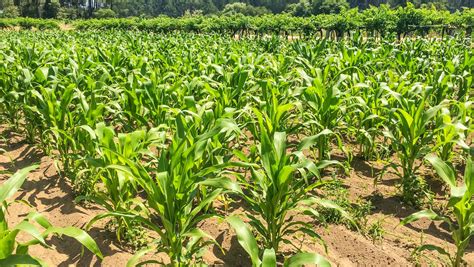
Maize Cultivation: A Cornerstone of APUSH History
Maize, commonly known as corn, served as a foundational crop throughout American history, playing a pivotal role in the development of various Native American societies and subsequently shaping the agricultural practices of European settlers.

-
Indigenous Origins: Archaeologists estimate that maize was first cultivated in southern Mexico around 7,000 years ago. Over time, it spread northward and became a staple crop for many Native American tribes, including the Iroquois, Cherokee, and Puebloan peoples.
-
European Encounter: When Europeans arrived in the Americas, maize was already a widespread and essential food source. Christopher Columbus marvelled at its abundance and introduced it to Europe, where it quickly gained popularity as a livestock feed.
Agricultural Practices: Techniques and Innovations
Native American farmers developed sophisticated techniques to cultivate maize, adapting them to diverse environments:
-
Intercropping: Maize was often grown alongside beans and squash, a practice known as the “Three Sisters.” This strategy enhanced soil fertility and provided a balanced diet.
-
Mound Building: In areas with poor drainage, Native Americans constructed elevated mounds of soil to facilitate planting and water management.
-
Irrigation: In arid regions, Native Americans utilized irrigation systems to supplement natural rainfall and ensure successful harvests.
-
Crop Rotation: Farmers practiced crop rotation to prevent soil exhaustion and maintain fertility. Maize was typically alternated with legumes, such as beans, which fixed nitrogen in the soil.
Economic and Cultural Significance
Maize cultivation was not merely a means of sustenance; it also held immense economic and cultural significance:
-
Trade and Exchange: Maize was a valuable commodity for Native Americans, used for trade and diplomatic exchanges. It facilitated long-distance trade routes and fostered intertribal relationships.
-
Ritual and Ceremony: Maize played a central role in many Native American rituals and ceremonies. It was used in creation myths, harvest festivals, and religious offerings.
-
Symbolic Importance: Maize symbolized fertility, abundance, and life for many Native American cultures. It was often depicted in artwork, pottery, and other cultural artifacts.
Maize Cultivation in the Colonial Era and Beyond
With the arrival of European settlers, maize cultivation underwent significant changes:
-
Expanded Production: European settlers recognized the agricultural value of maize and expanded its production, using it primarily as livestock feed and an export crop.
-
Plantation System: In the Southern colonies, maize became a key crop on large plantations, where enslaved labor was used to cultivate vast fields.
-
Technological Advancements: Agricultural innovations, such as the plow and planter, increased maize yields and transformed farming practices.
-
Industrialization: During the Industrial Revolution, maize became a crucial raw material for a variety of industries, including food processing, textile manufacturing, and paper production.
Benefits and Challenges of Maize Cultivation
Maize cultivation offers numerous benefits but also poses certain challenges:
-
Nutritional Value: Maize is a rich source of carbohydrates, protein, and vitamins, making it a valuable food source for both humans and livestock.
-
Versatile Crop: Maize is extremely adaptable and can be grown in a wide range of climates and soil conditions.
-
Economic Benefits: Maize is a major cash crop, generating billions of dollars in revenue worldwide.
-
Environmental Concerns: Extensive maize cultivation can lead to soil erosion, water pollution, and biodiversity loss, particularly in areas with intensive farming practices.
Strategies for Sustainable Maize Cultivation
To mitigate the environmental challenges associated with maize cultivation, farmers are implementing sustainable practices:
-
Conservation Tillage: Minimizing soil disturbance through practices such as no-till farming reduces erosion and conserves soil moisture.
-
Precision Agriculture: Utilizing technology to optimize fertilizer and water use, precision agriculture reduces environmental impacts while increasing yields.
-
Cover Cropping: Planting cover crops during off-seasons helps protect soil from erosion and improves soil health.
-
Crop Rotation: Incorporating a diverse range of crops into farming systems helps maintain soil fertility and reduce pest and disease pressure.
Table 1: Historical Timeline of Maize Cultivation
| Event | Date |
|---|---|
| Maize first cultivated in southern Mexico | 7,000 years ago |
| Maize introduced to Europe by Christopher Columbus | Late 15th century |
| Maize becomes a staple crop in the Americas | Pre-Columbian era |
| European settlers expand maize production | 16th-18th centuries |
| Maize becomes a major cash crop | 19th century |
| Green Revolution increases maize yields | Mid-20th century |
Table 2: Nutritional Composition of Maize
| Nutrient | Amount per 100 grams |
|---|---|
| Calories | 365 |
| Carbohydrates | 79 grams |
| Protein | 10 grams |
| Fiber | 9 grams |
| Vitamin A | 17% of Daily Value (DV) |
| Vitamin C | 14% of DV |
| Potassium | 9% of DV |
Table 3: Environmental Concerns Associated with Maize Cultivation
| Concern | Impact |
|---|---|
| Soil Erosion | Loss of topsoil, reduced soil productivity |
| Water Pollution | Nitrogen and phosphorus runoff, eutrophication |
| Biodiversity Loss | Conversion of natural habitats into farmland |
| Greenhouse Gas Emissions | Nitrous oxide emissions from nitrogen fertilizers |
Table 4: Sustainable Maize Cultivation Practices
| Practice | Benefits |
|---|---|
| Conservation Tillage | Reduces soil erosion, conserves soil moisture |
| Precision Agriculture | Optimizes fertilizer and water use, reduces environmental impacts |
| Cover Cropping | Protects soil from erosion, improves soil health |
| Crop Rotation | Maintains soil fertility, reduces pest and disease pressure |
FAQs
1. Why is maize cultivation important in APUSH history?
Maize played a central role in the development of Native American societies, shaping their economy, culture, and agricultural practices.
2. How did European settlers contribute to maize cultivation?
European settlers expanded maize production, introduced new farming techniques, and established the crop as a major export commodity.
3. What are the benefits of consuming maize?
Maize is a rich source of carbohydrates, protein, and vitamins, making it a valuable food source for both humans and livestock.
4. What are the environmental challenges associated with maize cultivation?
Extensive maize cultivation can lead to soil erosion, water pollution, and biodiversity loss.
5. How can sustainable maize cultivation practices mitigate environmental concerns?
Practices such as conservation tillage, precision agriculture, cover cropping, and crop rotation help reduce environmental impacts while maintaining yields.
6. What is the historical significance of maize in the Three Sisters agricultural system?
The Three Sisters system, which involves growing maize, beans, and squash together, was a sustainable agricultural practice developed by Native Americans that enhanced soil fertility and dietary balance.
7. How did maize become a major cash crop during the colonial era?
Maize became a valuable export commodity, particularly in the Southern colonies where it was grown on large plantations using enslaved labor.
8. What technological advancements have impacted maize cultivation?
Innovations such as the plow, planter, and mechanization have increased maize yields and transformed farming practices throughout history.