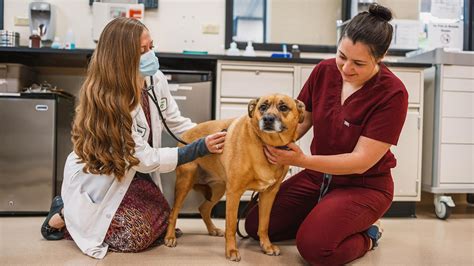
Pursuing a veterinary degree can be an expensive endeavor, but it doesn’t have to break the bank. Several institutions offer affordable options for aspiring veterinarians seeking high-quality education without the hefty price tag. Here’s a comprehensive guide to the least expensive vet schools in various regions.

United States
-
Mississippi State University College of Veterinary Medicine (CVM):
- In-state tuition: $17,354
- Out-of-state tuition: $28,560
-
Louisiana State University School of Veterinary Medicine (SVM):
- In-state tuition: $19,703
- Out-of-state tuition: $43,584
-
Auburn University College of Veterinary Medicine (CVM):
- In-state tuition: $18,637
- Out-of-state tuition: $32,994
-
University of Georgia College of Veterinary Medicine (CVM):
- In-state tuition: $20,743
- Out-of-state tuition: $39,660
Canada
-
University of Prince Edward Island Atlantic Veterinary College (AVC):
- Tuition: $22,000 (Canadian dollars)
-
Université de Montréal Faculté de médecine vétérinaire (FMV):
- Tuition: $20,000 (Canadian dollars)
-
University of Saskatchewan Western College of Veterinary Medicine (WCVM):
- Tuition: $24,000 (Canadian dollars)
Europe
-
University of Edinburgh Royal (Dick) School of Veterinary Studies (RDSVS):
- Tuition: £25,000 (British pounds)
-
University College Dublin School of Veterinary Medicine (SVM):
- Tuition: €30,000 (Euros)
-
Swedish University of Agricultural Sciences Faculty of Veterinary Medicine and Animal Science (FVAM):
- Tuition: SEK 250,000 (Swedish kronor)
Factors to Consider When Choosing an Affordable Vet School
1. Tuition Costs:
As evident from the tables above, tuition costs vary significantly between institutions. Compare in-state and out-of-state tuition rates to determine the best value.
2. Financial Aid:
Explore scholarships, grants, and work-study programs offered by the school to reduce the overall cost of attendance.
3. Location and Cost of Living:
Consider the cost of living in the area where the vet school is located. Housing, transportation, and other expenses can impact your overall budget.
4. Accreditation and Reputation:
Ensure that the veterinary program is accredited by the American Veterinary Medical Association (AVMA) or the Canadian Veterinary Medical Association (CVMA) to ensure its quality and recognition.
Strategies to Reduce Veterinary School Expenses
-
Apply for scholarships and grants:
Numerous organizations offer scholarships and grants specifically for veterinary students. Research and apply for every opportunity that aligns with your qualifications. -
Consider public universities:
Public universities often have lower tuition rates compared to private institutions. Explore affordable options within state universities or colleges. -
Explore in-state rates:
If possible, establish residency in the state where the vet school is located to qualify for in-state tuition rates, which can significantly reduce costs. -
Live frugally:
Adopt a budget-conscious lifestyle, share expenses with roommates, cook meals at home, and look for ways to minimize living expenses.
Pain Points for Aspiring Veterinarians
-
High tuition costs:
Veterinary school can be expensive, creating financial barriers for many aspiring veterinarians. -
Limited financial aid:
Insufficient financial aid programs can make it challenging for students to cover the costs of education. -
Competition for scholarships:
Scholarships and grants are highly competitive, increasing the pressure on students to excel academically and secure funding.
Motivations for Pursuing Veterinary Medicine
-
Passion for animal welfare:
Veterinarians play a crucial role in protecting and improving the health of animals. -
Desire to make a difference:
Veterinarians contribute to public health, food safety, and the well-being of society. -
Career stability and growth:
Veterinary medicine offers a stable and rewarding career with high earning potential.
FAQs
1. What is the average cost of veterinary school?
According to the AVMA, the average cost of veterinary school for in-state students is $160,000-$200,000, while out-of-state students pay $250,000-$300,000.
2. How can I prepare for the high cost of veterinary school?
Start saving early, explore scholarships and financial aid, consider public universities, and live frugally during and after school.
3. What are the job prospects for veterinarians?
The Bureau of Labor Statistics projects a 19% growth in veterinary medicine jobs from 2020 to 2030, faster than the average for all occupations.
4. What are the earning potential of veterinarians?
According to the AVMA, the median annual salary for veterinarians in the United States is $100,370.
5. What are the challenges of becoming a veterinarian?
Challenges include rigorous academic coursework, high tuition costs, competition for admission to veterinary school, and a demanding career that requires dedication and compassion.
6. What are the benefits of becoming a veterinarian?
Benefits include making a difference in the lives of animals and people, a rewarding career with high earning potential, and the opportunity to contribute to public health.
7. How can I increase my chances of getting into veterinary school?
Maintain a strong academic record, gain experience working with animals, volunteer at veterinary clinics, and prepare for the Veterinary College Admission Test (VCAT).
8. What resources are available to support veterinary students?
Resources include the AVMA, the Association of American Veterinary Medical Colleges (AAVMC), and financial aid programs.