Introduction

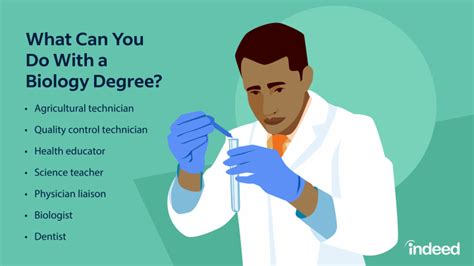
Biology is a vast and multifaceted discipline that encompasses the study of life in all its forms. With a biology degree, you’re equipped with a solid foundation in scientific inquiry, problem-solving, and critical thinking skills that can open doors to a wide range of career opportunities.
Medical and Healthcare Fields
1. Doctor
Biology graduates can pursue medical school and become doctors, specializing in fields such as internal medicine, surgery, pediatrics, or radiology.
2. Physician Assistant
Physician assistants work closely with doctors to diagnose and treat patients, providing medical care and support.
3. Nurse
Nurses provide direct patient care, administer medications, monitor vital signs, and educate patients on health care practices.
4. Medical Laboratory Scientist
These scientists analyze patient samples to diagnose diseases, monitor treatment effectiveness, and contribute to research.
5. Biomedical Engineer
Biomedical engineers design and develop medical devices, prosthetics, and other technologies that improve patient outcomes.
Research and Academia
6. Research Scientist
Biologists conduct research in fields such as molecular biology, genetics, cell biology, and ecology. They publish their findings in scientific journals and present at conferences.
7. Professor
Biology graduates can teach biology at universities, colleges, or high schools, sharing their knowledge and inspiring future scientists.
8. Science Writer
Science writers interpret complex scientific information for a non-scientific audience through articles, books, and documentaries.
9. Patent Examiner
Patent examiners review patent applications to ensure they meet legal requirements and contribute to scientific advancement.
10. Bioinformatician
Bioinformaticians analyze large-scale biological data using computational tools to identify patterns, predict outcomes, and improve drug discovery.
Industry and Biotechnology
11. Biotechnology Engineer
Biotechnology engineers apply biological principles to develop products and processes in the pharmaceutical, agricultural, and environmental industries.
12. Regulatory Affairs Specialist
These specialists ensure that products meet regulatory standards, ensuring the safety and efficacy of medical devices and drugs.
13. Quality Control Analyst
Quality control analysts monitor product quality and adherence to standards in industries such as food processing and manufacturing.
14. Environmental Scientist
Environmental scientists study the impact of human activities on the environment and develop solutions to address pollution, climate change, and resource management.
15. Conservation Biologist
Conservation biologists work to protect endangered species, manage wildlife populations, and maintain biodiversity.
Other Fields
16. Sales Representative
Biology graduates can leverage their scientific knowledge to sell scientific equipment, medical devices, or biotechnology products.
17. Government Scientist
Biologists can work for government agencies such as the Environmental Protection Agency (EPA) or the National Institutes of Health (NIH), conducting research and developing policies.
18. Museum Curator
Biologists can manage and exhibit biological specimens in museums, providing educational resources and promoting public interest in science.
19. Wildlife Manager
Wildlife managers work for organizations such as state wildlife agencies or national parks, managing wildlife populations and habitat.
20. Forensic Scientist
Biology graduates can specialize in forensic science, analyzing biological evidence to solve crimes and exonerate the innocent.
Benefits of a Biology Degree
- High Earning Potential: According to the U.S. Bureau of Labor Statistics, biological scientists earn a median annual salary of $93,150.
- In-Demand Field: The demand for biologists is expected to grow 5% from 2021 to 2031, faster than the average for all occupations.
- Cognitive and Analytical Skills: Biology graduates develop strong cognitive and analytical skills essential for success in various fields.
- Wide Range of Career Options: With a biology degree, you have access to a diverse array of career opportunities, allowing you to tailor your career to your interests and goals.
- Continuous Learning: Biology is a constantly evolving field, offering opportunities for ongoing professional development and lifelong learning.
Idea Generator
- Biomimicry: Studying biological design principles to innovate in architecture, engineering, and product development.
- Synthetic Biology: Engineering biological systems to perform specific functions, creating new therapies, biosensors, and materials.
- Personalized Medicine: Using genetic information to tailor medical treatments to individual patients, improving outcomes and reducing side effects.
- Biocomputing: Developing biological systems for computation, data storage, and artificial intelligence.
- Astrobiology: Exploring the possibility of life on other planets and the origins of life in the universe.
Common Mistakes to Avoid
- Thinking Biology is Limited to Healthcare: Biology degrees open doors to careers in various industries, not just healthcare.
- Not Pursuing Advanced Education: While a bachelor’s in biology can provide entry-level opportunities, advanced degrees (master’s or doctorate) are often necessary for leadership roles and research careers.
- Focusing Only on Technical Skills: Communication, teamwork, and business acumen are also essential for career success.
- Restricting Job Search to Traditional Industries: Consider exploring non-traditional career paths such as journalism, policy, and finance.
- Not Networking and Building Connections: Attend industry events, join professional organizations, and reach out to alumni for potential career leads.
How to Step-by-Step Approach
- Explore Your Interests: Identify fields of biology that resonate with you and align with your career aspirations.
- Choose a Specialization: Consider pursuing a minor or graduate degree in a specific area of biology, such as molecular biology or environmental science.
- Gain Practical Experience: Participate in research internships, volunteer at organizations, or work in labs to build your resume and develop hands-on skills.
- Network and Build Connections: Attend career fairs, meet with industry professionals, and connect with alumni to expand your professional network.
- Prepare for Interviews: Practice answering common interview questions, prepare for technical questions, and be ready to articulate your skills and experience.
FAQs
1. What is the starting salary for a biology graduate?
According to the U.S. Bureau of Labor Statistics, the median annual salary for biological scientists with a bachelor’s degree is approximately $60,000.
2. Is a biology degree versatile?
Yes, a biology degree provides a strong foundation for careers in various industries, including healthcare, research, industry, academia, and government.
3. What is a typical career path for a biology graduate?
Many biology graduates start in entry-level positions in labs, research institutes, or the healthcare sector. With experience and further education, they can advance to leadership roles, management positions, or specialized fields.
4. What are the future job prospects for biology graduates?
The job outlook for biologists is projected to grow faster than average, with an expected growth rate of 5% from 2021 to 2031.
5. What is the difference between a bachelor’s and a master’s in biology?
A bachelor’s in biology provides a foundational understanding of biological principles and prepares graduates for entry-level positions in the field. A master’s in biology typically involves more specialized coursework, research, and a thesis, providing a deeper understanding and qualifying graduates for more advanced roles.
6. What are some emerging fields in biology?
Emerging fields in biology include bioinformatics, synthetic biology, personalized medicine, astrobiology, and biocomputing. These fields offer exciting career opportunities for biologists with specialized training and skills.
Tables
Table 1: Median Annual Salaries for Biology Degree Holders
| Occupation | Median Annual Salary |
|---|---|
| Doctor | $208,000 |
| Physician Assistant | $115,810 |
| Nurse | $77,600 |
| Medical Laboratory Scientist | $82,430 |
| Biomedical Engineer | $91,250 |
Table 2: Employment Outlook for Biology Degree Holders
| Occupation | Projected Growth 2021-2031 |
|---|---|
| Biological Scientist | 5% |
| Medical and Clinical Laboratory Technologist | 7% |
| Nurse | 9% |
| Environmental Scientist and Specialist | 8% |
| Conservation Scientist | 5% |
Table 3: Industries Hiring Biology Degree Holders
| Industry | Employment Share |
|---|---|
| Healthcare | 38% |
| Scientific Research and Development | 18% |
| Education | 12% |
| Government | 10% |
| Biotechnology | 8% |
Table 4: Common Mistakes to Avoid when Pursuing a Biology Degree
| Mistake | Solution |
|---|---|
| Thinking Biology is Limited to Healthcare | Explore career paths in industry, academia, and government. |
| Not Pursuing Advanced Education | Consider a master’s or doctoral degree for leadership roles and research careers. |
| Focusing Only on Technical Skills | Develop communication, teamwork, and business acumen to enhance career prospects. |
| Restricting Job Search to Traditional Industries | Explore non-traditional fields such as policy, finance, and journalism. |
| Not Networking and Building Connections | Attend industry events and connect with professionals to expand your network. |