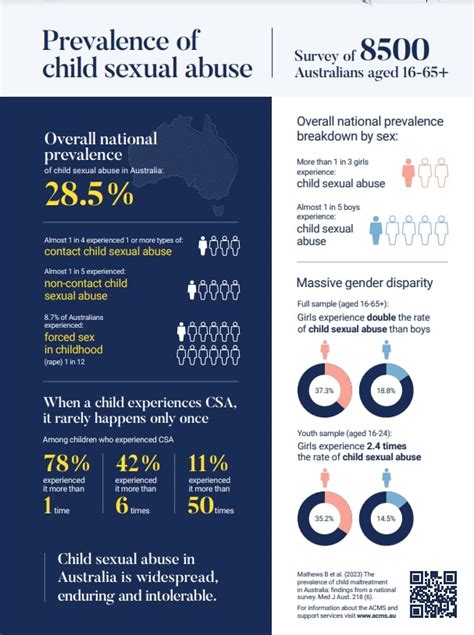
It’s a chilling statistic: according to the National Sexual Violence Resource Center, one in four girls and one in six boys will experience sexual abuse before the age of 18. That means that, in the United States alone, millions of children are victimized each year.
The consequences of child sexual abuse are devastating. Victims are at increased risk for a wide range of physical, emotional, and mental health problems, including depression, anxiety, PTSD, and substance abuse. They are also more likely to engage in risky sexual behaviors and become victims of future sexual violence.
Recognizing the Signs of Child Sexual Abuse
It can be difficult to recognize the signs of child sexual abuse, as children are often reluctant to talk about what has happened. However, there are some common signs that parents and caregivers should be aware of, including:
- Physical signs, such as bruising, bleeding, or pain in the genital area
- Behavioral changes, such as withdrawal, aggression, or sexualized behavior li>Emotional changes, such as anxiety, depression, or low self-esteem
- Relationship problems, such as difficulty trusting others or forming healthy relationships
If you suspect that a child you know is being abused, it is important to seek professional help immediately.
Preventing Child Sexual Abuse
There are a number of things that can be done to prevent child sexual abuse, including:
- Talking to your children about sex and sexuality in a way that is age-appropriate and respectful
- Teaching your children about their bodies and their right to say no to any kind of sexual contact
- Setting clear boundaries with your children and letting them know that you will always be there to protect them
- Creating a safe and supportive environment for your children
- Reporting any suspected cases of child sexual abuse to the authorities
Responding to Child Sexual Abuse
If you learn that a child you know has been sexually abused, it is important to:
- Stay calm and supportive
- Listen to the child’s story without judgment
- Believe the child
- Help the child to get the medical and emotional help they need
- Report the abuse to the authorities
Healing from child sexual abuse is a long and difficult process, but it is possible. With the right support, victims can overcome the trauma and go on to live happy and fulfilling lives.
Tables
| Table 1: Prevalence of Child Sexual Abuse |
|—|—|
| Type of Abuse | Prevalence |
| Physical abuse | 10-30% |
| Sexual abuse | 10-25% |
| Emotional abuse | 15-25% |
| Neglect | 10-20% |
| Table 2: Consequences of Child Sexual Abuse |
|—|—|
| Physical consequences | Psychological consequences |
| STIs | Depression |
| Pregnancy | Anxiety |
| Chronic pain | PTSD |
| Eating disorders | Substance abuse |
| Table 3: Risk Factors for Child Sexual Abuse |
|—|—|
| Individual risk factors | Family risk factors |
| Being female | Single parent household |
| Having a disability | Parental substance abuse |
| Having a history of trauma | Domestic violence |
| Table 4: Protective Factors Against Child Sexual Abuse |
|—|—|
| Individual protective factors | Family protective factors |
| Strong self-esteem | Positive parenting |
| Good communication skills | Supportive relationships |
| Access to resources | Safe neighborhood |
FAQs
Q: What is the difference between child sexual abuse and child molestation?
A: Child sexual abuse is a broad term that encompasses any type of sexual contact between an adult and a child. Child molestation is a specific type of child sexual abuse that involves touching a child’s genitals or breasts.
Q: What are the long-term effects of child sexual abuse?
A: Child sexual abuse can have a lasting impact on a person’s physical, emotional, and mental health. Victims may experience problems with trust, relationships, and intimacy. They may also develop anxiety, depression, PTSD, and other mental health disorders.
Q: What should I do if I suspect that a child is being abused?
A: If you suspect that a child is being abused, it is important to report it to the authorities immediately. You can also contact a child abuse hotline or a local child protection agency.