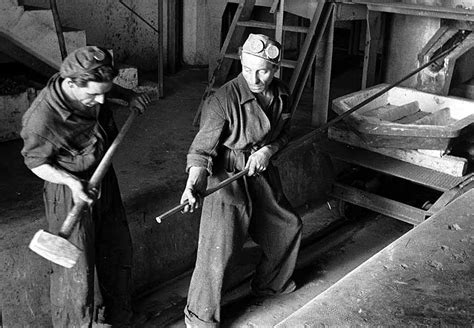
Over a century ago, a wave of Italian industrial workers arrived in Argentina, leaving an indelible mark on the country’s industrial development. Their contributions have played a pivotal role in shaping the nation’s economic and social fabric.

## Mass Immigration and Settlement
From the late 1800s to the early 1900s, Argentina experienced a surge in Italian immigration driven by economic hardship and political turmoil in Italy. The arrival of Italian industrial workers was particularly significant due to their skills and experience in manufacturing and construction.
Between 1880 and 1914, over 2.5 million Italians emigrated to Argentina, constituting nearly half of all immigrants during that period. They settled primarily in urban centers, with significant concentrations in Buenos Aires, Rosario, and La Plata.
## Role in Industrialization
Italian industrial workers played a crucial role in Argentina’s rapid industrialization. They brought with them specialized knowledge in various industries, including textiles, metallurgy, and construction.
In the textile industry, Italian workers established mills and factories, employing thousands of Argentines. Their expertise in weaving and dyeing techniques helped develop a thriving domestic textile industry, reducing dependence on imported fabrics.
Italian immigrants also played a significant role in the construction sector. They were responsible for the construction of major infrastructure projects, including railroads, roads, and bridges. Their skills in stone masonry and concrete work contributed to Argentina’s growing transportation network and urban development.
## Labor Activism and Social Influence
Italian industrial workers were not only instrumental in Argentina’s industrialization but also in the development of its labor movement. They brought with them a strong tradition of trade unionism and collective action.
In the early 20th century, Italian workers played a key role in organizing unions and advocating for labor rights. They led strikes and demonstrations, demanding better working conditions, shorter hours, and higher wages.
Their efforts contributed to the establishment of Argentina’s first labor union laws and the creation of a social security system that provided pensions and healthcare for workers.
## Cultural and Social Integration
Over time, Italian industrial workers became an integral part of Argentine society. They established their own cultural institutions, including schools, churches, and social clubs. These organizations helped preserve their Italian heritage while fostering a sense of community.
Italian immigrants also played a significant role in Argentina’s cultural scene. They introduced new culinary traditions, such as pizza and pasta, and contributed to the development of Argentine tango, gaucho music, and other cultural expressions.
## Legacy and Impact
The contributions of Italian industrial workers to Argentina’s industrialization and social development cannot be overstated. Their skills and hard work helped transform the country into a modern industrial nation.
Their labor activism and social organizing paved the way for improved working conditions and labor rights, shaping the country’s labor relations landscape.
Moreover, their cultural integration enriched Argentine society, leaving a lasting legacy that continues to influence the nation’s cultural and social fabric today.
## Tables
| Period | Number of Italian Immigrants |
|---|---|
| 1880-1914 | 2.5 million |
| 1914-1940 | 1.2 million |
| 1940-1960 | 250,000 |
| Industry | Italian Contribution |
|---|---|
| Textiles | Establishment of mills and factories, expertise in weaving and dyeing |
| Metallurgy | Iron and steel production, construction of machinery |
| Construction | Railroads, roads, bridges, stone masonry, concrete work |
| Labor Activism | Italian Influence |
|---|---|
| Trade unionism | Organization of unions, collective bargaining |
| Labor laws | Establishment of labor union laws, social security system |
| Cultural Integration | Italian Influence |
|---|---|
| Social clubs | Preservation of Italian heritage, community building |
| Culinary traditions | Introduction of pizza, pasta, and other dishes |
| Arts and music | Contribution to tango, gaucho music, and other cultural expressions |
## Tips and Tricks
- Consider the following ideas for new applications:
- Develop an educational program showcasing the history and contributions of Italian industrial workers in Argentina.
- Create a documentary film or interactive exhibit that highlights their impact on the nation’s industrial and social development.
- Promote cultural exchange and collaboration between Italy and Argentina, fostering a deeper understanding of the historical and ongoing connections between the two countries.
- Support initiatives aimed at preserving Italian cultural heritage sites and institutions in Argentina, such as historic buildings, churches, and social clubs.
## Why It Matters
Understanding the role of Italian industrial workers in Argentina provides insights into the complex processes of migration, industrialization, and nation-building. Their contributions have shaped Argentina’s economic, social, and cultural landscape, leaving a lasting legacy that continues to influence the country today.
## How It Benefits
By recognizing and valuing the contributions of Italian industrial workers, we can:
- Foster greater appreciation for the role of immigrants in shaping nations.
- Highlight the importance of skilled labor and industrial development for economic growth.
- Promote social inclusion and cultural diversity by preserving and celebrating heritage.
- Build stronger bridges between nations based on shared history and cultural connections.