Introduction
Bioengineering, a stimulating and multidisciplinary field, converges the principles of engineering with life sciences to devise innovative solutions for complex biological and medical challenges. Individuals considering a major in bioengineering often grapple with the question of its viability and job prospects. This comprehensive article delves into the merits of bioengineering as a career path, examining its advantages, applications, industry trends, and potential career opportunities.

Advantages of a Bioengineering Major
1. Growing Industry Demand:
The global bioengineering industry is burgeoning, driven by advancements in healthcare, biotechnology, and pharmaceuticals. According to a report by Markets and Markets, the bioengineering market is projected to reach USD 713.9 billion by 2025, exhibiting a lucrative growth trajectory.
2. Interdisciplinary Approach:
Bioengineering encompasses elements from various disciplines, including biology, chemistry, physics, and engineering. This interdisciplinary exposure fosters a comprehensive understanding of biological systems and equips graduates with a competitive edge in research and development.
3. Impactful Applications:
Bioengineering graduates contribute to groundbreaking technologies that improve human health and well-being. Their expertise is harnessed in developing medical devices, tissue engineering, gene therapy, and regenerative medicine, among other applications.
Career Prospects
Diverse Industry Options:
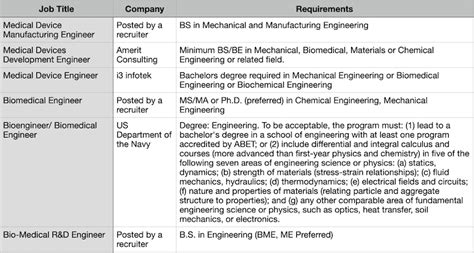
Bioengineering graduates find employment in a diverse range of industries, including:
– Healthcare
– Biotechnology
– Pharmaceuticals
– Biomedical device manufacturing
– Government agencies
– Research institutions
Growth in Research and Development:
The demand for bioengineers in research and development (R&D) roles is growing rapidly. Universities and research labs seek individuals with expertise in bioengineering to drive innovation and advance scientific discoveries.
Strong Starting Salaries:
Bioengineering graduates command competitive starting salaries. According to the U.S. Bureau of Labor Statistics, the median annual salary for biomedical engineers was USD 97,410 in May 2021. This salary is significantly higher than the median for all engineering professions.
Table 1: Bioengineering Industry Growth Projections
| Region | Market Value (USD) | Growth Rate (CAGR) | Time Frame |
|---|---|---|---|
| North America | 356.2 billion | 6.5% | 2021-2025 |
| Europe | 195.1 billion | 5.8% | 2021-2025 |
| Asia-Pacific | 128.5 billion | 8.2% | 2021-2025 |
| Rest of the World | 33.1 billion | 7.1% | 2021-2025 |
Table 2: Projected Job Growth for Biomedical Engineers
| Occupation | Job Growth (2021-2031) | Projected Employment |
|---|---|---|
| Biomedical Engineers | 5% | 29,600 |
Tips and Tricks
- Foster a Strong Academic Foundation: Excel in core subjects such as biology, chemistry, physics, and mathematics.
- Gain Practical Experience: Engage in internships, research projects, and extracurricular activities to enhance your technical skills.
- Network with Professionals: Attend industry conferences, seminars, and connect with professionals in the field.
- Develop Soft Skills: Cultivate strong communication, teamwork, and critical thinking abilities.
- Explore Niche Specialties: Consider specializing in a particular area of interest, such as tissue engineering or bioinformatics.
Common Mistakes to Avoid
- Underestimating the Rigor: Bioengineering is a demanding program that requires a strong foundation in science and mathematics.
- Neglecting Industry Trends: Stay abreast of advancements in the field to maintain career competitiveness.
- Limiting Career Options: Bioengineering offers diverse career paths. Explore all possibilities before committing to a specific sector.
- Lack of Soft Skills: Soft skills are crucial for success in the industry. Develop these skills through internships or extracurricular activities.
- Overspecializing Early: While specialization is beneficial, avoid narrowing your focus prematurely. Acquire a broad knowledge base first.
FAQs
1. What is the average starting salary for bioengineering graduates?
According to the U.S. Bureau of Labor Statistics, the median annual salary for biomedical engineers was USD 97,410 in May 2021.
2. Which industries hire bioengineers?
Bioengineers find employment in various industries, including healthcare, biotechnology, pharmaceuticals, biomedical device manufacturing, government agencies, and research institutions.
3. Is bioengineering a rapidly growing field?
Yes, the bioengineering industry is experiencing significant growth driven by advancements in healthcare, biotechnology, and pharmaceuticals. The global bioengineering market is projected to reach USD 713.9 billion by 2025.
4. What are some of the common applications of bioengineering?
Bioengineering applications include developing medical devices, tissue engineering, gene therapy, regenerative medicine, and biomaterials.
5. How do I prepare for a career in bioengineering?
Foster a strong academic foundation, gain practical experience through internships and research projects, develop soft skills, network with professionals, and explore niche specialties.
6. Are there any scholarships available for bioengineering students?
Yes, various organizations and institutions offer scholarships to bioengineering students. Explore scholarship opportunities through universities, government agencies, and industry sponsors.
7. What is the typical career trajectory for bioengineers?
Bioengineers often start their careers in research and development roles. With experience and further education, they can advance to positions in management, product development, or consulting.
8. Is bioengineering a good major for international students?
Yes, bioengineering is a viable major for international students. The demand for bioengineers is growing globally, and graduates with international experience are highly valued in the industry.