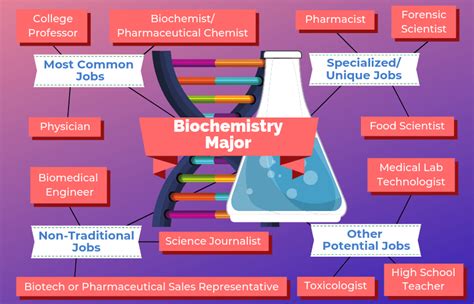
Biochemistry, the study of the chemical processes that occur within living organisms, offers a fascinating and rewarding career path. With its focus on understanding the molecular basis of life, biochemistry has applications in a wide range of fields, from medicine and pharmacology to biotechnology and beyond.

Career Outlook and Earning Potential
According to the U.S. Bureau of Labor Statistics (BLS), biochemists and biophysicists held approximately 21,800 jobs in 2021, with a projected 4% growth in employment from 2021 to 2031. This growth is driven by the increasing demand for professionals in the healthcare and biotechnology sectors.
In terms of earning potential, the BLS reports that biochemists and biophysicists earned a median annual salary of $101,810 in May 2021, with the top 10% earning over $194,310.
Job Responsibilities and Specialties
Biochemists typically perform the following job responsibilities:
- Conduct research to investigate the structure and function of biological molecules, such as proteins, nucleic acids, and lipids
- Analyze data and interpret results to understand the biochemical processes involved in living organisms
- Develop new methods and techniques for studying biological systems
- Collaborate with other scientists, engineers, and healthcare professionals on research and development projects
Biochemistry covers a broad range of specialized areas, including:
- Molecular biology: Focuses on the structure and function of nucleic acids and proteins
- Cellular biology: Examines the structure and function of cells, including cell organelles and intercellular communication
- Metabolism: Studies the chemical reactions that occur within cells to produce energy and build new molecules
- Enzymology: Investigates the structure, function, and regulation of enzymes, which are proteins that catalyze biochemical reactions
- Immunology: Explores the body’s immune system and its response to foreign substances
Education and Training Required
To become a biochemist, you typically need a bachelor’s degree in biochemistry or a related field. Common courses include biochemistry, molecular biology, genetics, and chemistry. Some universities offer specialized undergraduate programs in biochemistry.
After obtaining a bachelor’s degree, many biochemists continue their education by pursuing a graduate degree, such as a master’s degree or Ph.D. in biochemistry or a related field. Graduate programs provide advanced training in research methods and theory and prepare individuals for careers in research, teaching, or industry.
Potential Applications
The applications of biochemistry are far-reaching and extend beyond the laboratory setting. Here are a few examples:
- Medicine: Biochemists contribute to the development of new drugs, therapies, and diagnostic tools by understanding the molecular basis of diseases
- Biotechnology: Biochemists play a crucial role in the development of new technologies, such as those used in genetic engineering and biofuels production
- Agriculture: Biochemists work to improve crop yields and pest resistance by studying the biochemical processes involved in plant growth
- Environmental science: Biochemists help us understand the impact of pollutants on ecosystems and develop solutions to environmental problems
Conclusion
Biochemistry is an excellent major for individuals interested in pursuing careers in the life sciences. With its strong earning potential, diverse job outlook, and wide range of applications, biochemistry offers a path to a fulfilling and rewarding career.