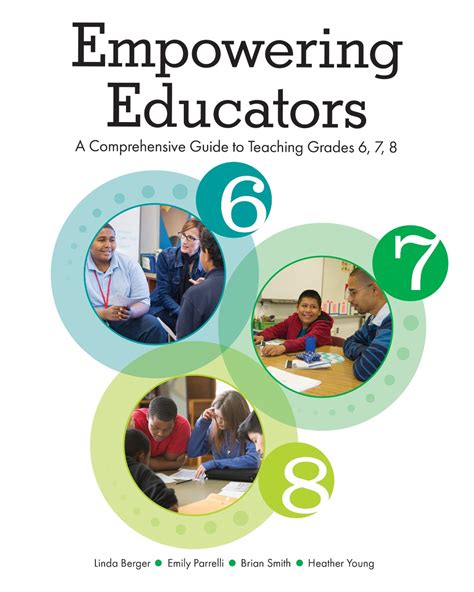
Teaching is a noble profession that requires dedication, passion, and a deep-seated desire to inspire young minds. Every teacher, regardless of their discipline or grade level, has the potential to make a profound impact on their students’ lives. Whether it’s fostering a lifelong love of learning, nurturing creativity, or instilling a sense of responsibility, teachers play a pivotal role in shaping the future generations.

The Power of Education
According to the United Nations Educational, Scientific and Cultural Organization (UNESCO), over 260 million children and youth worldwide are out of school. This staggering statistic highlights the urgent need for quality education as a fundamental human right. Education has been proven to break the cycle of poverty, promote social justice, and foster economic growth.
Why Teaching Matters
Teaching matters because it:
- Empowers Students: Education provides students with the knowledge, skills, and confidence they need to navigate the challenges of life and pursue their dreams.
- Builds Character: Teachers play a crucial role in shaping students’ values, morals, and ethical decision-making.
- Inspires a Love of Learning: When students experience engaging and meaningful learning, they develop a thirst for knowledge that lasts a lifetime.
- Prepares Students for the Future: Education equips students with the 21st-century skills they need to succeed in a rapidly changing world.
Benefits of Teaching
Teaching offers a myriad of benefits, including:
- Job Security: Teaching positions are highly sought after and offer relatively stable employment.
- Community Involvement: Teachers play an active role in their communities by interacting with parents, students, and other professionals.
- Intellectual Stimulation: Teaching requires continuous learning and intellectual engagement, keeping teachers mentally sharp.
- Emotional Fulfillment: Witnessing the growth and progress of students can bring immense emotional fulfillment and a sense of purpose.
Inspiring to Teach: A Comprehensive Approach
To become an inspiring teacher, consider the following principles:
- Be Passionate: Teaching should be a calling, not just a job. When teachers are passionate about their subject matter and their students, it creates an infectious energy that engages learners.
- Know Your Students: Every student is unique with their own learning style, interests, and challenges. Understanding and catering to individual needs fosters a supportive and inclusive learning environment.
- Create Engaging Lessons: Lessons should be designed to capture students’ attention, pique their curiosity, and promote active learning. Use a variety of teaching methods and materials to accommodate different learning styles.
- Provide Feedback and Support: Constructive feedback is essential for student growth. Teachers should provide regular feedback, support, and encouragement to help students identify areas for improvement and build confidence.
- Collaborate with Parents: Home-school collaboration is crucial for student success. Teachers should maintain open communication with parents to share insights, discuss concerns, and support students’ learning journey.
Common Mistakes to Avoid
Aspiring teachers should be aware of common mistakes that can hinder their effectiveness:
- Lack of Preparation: Poorly prepared lessons can lead to student disengagement and frustration. Take the time to plan and prepare engaging and informative lessons.
- Ignoring Student Diversity: Students come from diverse backgrounds with different learning styles and needs. Ignoring these differences can create barriers to learning.
- Not Using Technology: In today’s digital age, technology can be a powerful tool for enhancing learning. Integrate technology into lessons without overusing it.
- Neglecting Assessment: Regular assessment is essential for tracking student progress and adjusting teaching strategies. Use a variety of assessment methods to gauge student understanding.
- Lack of Enthusiasm: Enthusiastic teachers inspire students to learn. Avoid monotony and show genuine interest in your subject matter and your students.
The Art of Innovation
Inspiring teachers are always looking for innovative ways to engage their students. Here are some creative ideas to generate new applications:
- Think “Outside the Textbook”: Supplement textbooks with real-world examples, case studies, and simulations. Encourage students to connect their learning to their own experiences.
- Use Storytelling: Stories have the power to capture attention and convey complex concepts. Use storytelling techniques to make lessons more memorable and engaging.
- Gamify Learning: Incorporate game elements into lessons to make learning fun and motivating. Use points, challenges, and rewards to foster engagement.
- Engage Students in Project-Based Learning: Project-based learning allows students to apply their knowledge and skills to solve real-world problems. This promotes critical thinking, collaboration, and problem-solving abilities.
Conclusion
Teaching is a demanding yet incredibly rewarding profession. By embracing the principles of inspiration, avoiding common pitfalls, and fostering innovation, teachers can empower their students to become lifelong learners and productive members of society. The impact of a great teacher extends far beyond the classroom, shaping the future and making a lasting difference in the lives of young people.
Additional Resources
- National Education Association: https://www.nea.org/
- National Council of Teachers of Mathematics: https://www.nctm.org/
- American Federation of Teachers: https://www.aft.org/
Tables
Table 1: Educational Attainment and Income Level
| Education Level | Median Income (US) |
|---|---|
| High School Diploma | $40,000 |
| Associate Degree | $50,000 |
| Bachelor’s Degree | $65,000 |
| Master’s Degree | $75,000 |
| Doctorate Degree | $90,000 |
(Source: U.S. Census Bureau)
Table 2: Benefits of Teaching
| Benefit | Description |
|---|---|
| Job Security | Stable employment with competitive compensation and benefits |
| Community Involvement | Active participation in shaping the local community |
| Intellectual Stimulation | Continuous learning and engagement with new ideas |
| Emotional Fulfillment | Witnessing the growth and success of students |
Table 3: Common Mistakes to Avoid in Teaching
| Mistake | Description |
|---|---|
| Lack of Preparation | Poorly planned lessons can lead to student disengagement |
| Ignoring Student Diversity | Not catering to the diverse needs and learning styles of students |
| Not Using Technology | Underutilizing technology as a tool for enhancing learning |
| Neglecting Assessment | Lack of regular assessment can hinder student progress |
| Lack of Enthusiasm | Monotonous and uninspiring teaching style can affect student motivation |
Table 4: Innovative Teaching Techniques
| Technique | Description |
|---|---|
| Thinking “Outside the Textbook” | Supplementing textbooks with real-world examples and simulations |
| Using Storytelling | Utilizing stories to engage students and convey concepts |
| Gamifying Learning | Incorporating game elements into lessons to foster motivation |
| Engaging Students in Project-Based Learning | Assigning projects that require students to apply their knowledge to solve real-world problems |