Introduction

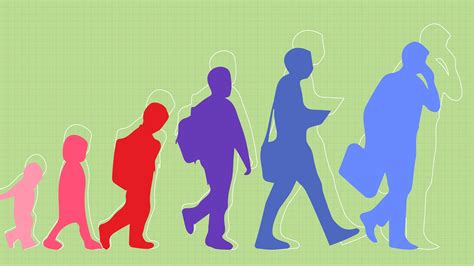
Human growth and development is a captivating field that encompasses the multifaceted aspects of human transformation from infancy to adulthood and beyond. Understanding the intricate processes that shape our physical, cognitive, and socioemotional well-being empowers individuals to maximize their developmental potential. This article delves into the essential stages of human growth and development, highlighting key milestones, influential factors, and practical strategies for fostering optimal outcomes.
Infancy, spanning from birth to approximately 18 months, marks a period of rapid physical, cognitive, and emotional growth. During this critical stage:
- Physical Development: Infants develop motor skills, including rolling, crawling, and grasping. They also experience a significant increase in height and weight.
- Cognitive Development: Cognitive abilities emerge, such as object permanence, language comprehension, and problem-solving.
- Socioemotional Development: Infants form strong attachments to primary caregivers and begin to express emotions, such as joy, sadness, and anger.
Early Childhood: Expanding Horizons
Early childhood, from 18 months to 5 years, brings further advances in all areas of development:
- Physical Development: Gross motor skills continue to refine, and fine motor coordination develops, allowing for activities like drawing and building with blocks.
- Cognitive Development: Language skills expand rapidly, and children exhibit growing curiosity and imagination. They also develop self-awareness and a sense of identity.
- Socioemotional Development: Peer relationships become increasingly important, and children learn to cooperate and negotiate.
Middle childhood, from 6 to 11 years, is a time of significant academic and social growth:
- Physical Development: Children become more physically active and coordinated, participating in sports and exploring their physical capabilities.
- Cognitive Development: Intellectual skills such as reading, writing, and mathematics are honed. Children also develop critical thinking and problem-solving abilities.
- Socioemotional Development: Social interactions become more complex, and children learn to navigate friendships, teamwork, and bullying.
Adolescence, from 12 to 18 years, is a period of dramatic physical, cognitive, and emotional changes:
- Physical Development: Puberty triggers a surge in growth hormones, leading to rapid physical maturation, including the development of secondary sexual characteristics.
- Cognitive Development: Abstract thinking and reasoning abilities emerge, allowing for more complex thought processes and decision-making.
- Socioemotional Development: Adolescents grapple with issues of identity, independence, and self-esteem. They also develop romantic relationships and explore their sexual orientation.
Young adulthood, from 19 to 25 years, is characterized by the pursuit of higher education, career development, and romantic partnerships:
- Physical Development: Physical growth slows down, and young adults reach their adult height and weight.
- Cognitive Development: Intellectual abilities continue to refine, and individuals develop their own unique perspectives and values.
- Socioemotional Development: Young adults establish their independence, make their own decisions, and build intimate relationships.
Adulthood and beyond is a time of ongoing physical, cognitive, and socioemotional changes:
- Physical Development: Physical abilities gradually decline, but regular exercise and healthy habits can mitigate the effects of aging.
- Cognitive Development: Cognitive abilities can remain stable or improve with lifelong learning and intellectual stimulation.
- Socioemotional Development: Adults navigate career changes, marriage, and family responsibilities. They also develop a sense of purpose and legacy.
Numerous factors influence human growth and development, including:
- Genetics: Genes provide the blueprint for our physical and cognitive development.
- Environment: The physical, social, and cultural environment plays a critical role in shaping our experiences and outcomes.
- Nutrition: Proper nutrition is essential for optimal growth and development.
- Physical Activity: Regular physical activity promotes physical and mental health.
- Social Support: Positive relationships with family, friends, and peers foster emotional well-being and resilience.
To promote optimal human growth and development, consider the following strategies:
- Create a Nurturing Environment: Provide children with love, support, and opportunities for play and exploration.
- Promote Healthy Habits: Encourage nutritious eating, regular physical activity, and adequate sleep.
- Support Education: Access to quality education is crucial for cognitive and socioemotional growth.
- Foster Social Connections: Encourage children to interact with peers and adults who support and inspire them.
- Address Challenges Promptly: Seek professional help when facing difficulties or delays in development.
Tips and Tricks
- Read to your children from an early age: Reading fosters language development and imagination.
- Engage in playful activities: Play stimulates creativity, problem-solving, and social skills.
- Encourage children to express their emotions: Create a safe and supportive environment for children to talk about their feelings.
- Set realistic expectations: Avoid pressuring children to meet unrealistic developmental milestones.
- Practice patience and empathy: Understand that development is a gradual process that varies from child to child.
Common Mistakes to Avoid
- Overprotecting children: Allowing children to take age-appropriate risks helps them develop independence and resilience.
- Comparing children to others: Focus on each child’s individual progress and strengths.
- Using harsh discipline: Discipline should be positive and focused on teaching rather than punishment.
- Ignoring children’s emotional needs: Children need to feel loved, supported, and understood.
- Expecting perfection: Development is not always smooth. Accept that setbacks are a normal part of the process.
FAQs
- What is the average height and weight for a 5-year-old child? According to the 2020 CDC growth charts, the average height for a 5-year-old boy is 43.5 inches, and the average weight is 44.8 pounds. For girls, the average height is 42.7 inches, and the average weight is 42.5 pounds.
- What are some signs of cognitive development in early childhood? Signs of cognitive development in early childhood include language acquisition, problem-solving abilities, curiosity, and imagination.
- How can I support my adolescent’s transition into adulthood? Support your adolescent’s transition into adulthood by fostering open communication, encouraging independence, and providing them with opportunities for self-discovery and responsibility.
- What are some tips for maintaining cognitive health in adulthood and beyond? Tips for maintaining cognitive health in adulthood and beyond include regular exercise, mental stimulation, social engagement, and a healthy diet.
- When should I seek professional help for my child’s developmental concerns? Seek professional help if you notice any significant delays or challenges in your child’s development, such as difficulties with language, social interactions, or motor skills.
Conclusion
Human growth and development is a complex and fascinating journey that unfolds throughout the lifespan. By understanding the key stages, influential factors, and practical strategies for fostering optimal outcomes, we can empower individuals to reach their full potential and live fulfilling lives. Remember to embrace the unique path of each individual and provide them with the support, guidance, and love they need to thrive.