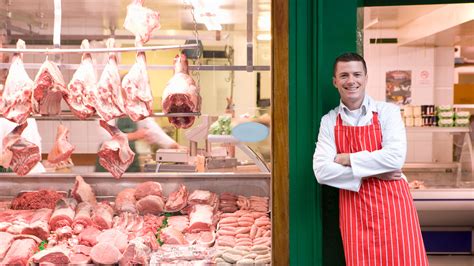
Butchers are responsible for cutting, trimming, and preparing meat for sale. They may also be responsible for weighing and packaging meat, and providing customer service. Butchers typically work in grocery stores, butcher shops, or meatpacking plants.

The median annual salary for butchers was $27,400 in May 2020. The lowest 10 percent earned less than $20,740, and the highest 10 percent earned more than $42,940.
Butchers who work in grocery stores typically earn less than those who work in butcher shops or meatpacking plants. Butchers who work in unionized workplaces typically earn more than those who work in non-unionized workplaces.
Factors that Affect Butcher Salaries
Several factors can affect a butcher’s salary, including:
- Education and experience: Butchers with more education and experience typically earn more than those with less education and experience.
- Location: Butchers who work in metropolitan areas typically earn more than those who work in rural areas.
- Industry: Butchers who work in the meatpacking industry typically earn more than those who work in the retail food industry.
- Unionization: Butchers who work in unionized workplaces typically earn more than those who work in non-unionized workplaces.
Job Outlook for Butchers
The job outlook for butchers is expected to be good over the next few years. The increasing demand for meat is expected to lead to increased demand for butchers. However, the use of automation in the meatpacking industry is expected to slow job growth.
How to Become a Butcher
Butchers typically need a high school diploma or equivalent. Some butchers may also complete a formal apprenticeship program. Apprenticeship programs typically last for two to three years and include on-the-job training and classroom instruction.
Butcher Salary by State
The following table shows the median annual salary for butchers in each state in May 2020:
| State | Median Annual Salary |
|---|---|
| Alabama | $25,930 |
| Alaska | $32,900 |
| Arizona | $27,730 |
| Arkansas | $25,350 |
| California | $29,940 |
| Colorado | $28,840 |
| Connecticut | $31,220 |
| Delaware | $28,640 |
| Florida | $27,500 |
| Georgia | $26,100 |
| Hawaii | $32,470 |
| Idaho | $27,820 |
| Illinois | $28,470 |
| Indiana | $26,990 |
| Iowa | $28,220 |
| Kansas | $27,370 |
| Kentucky | $25,690 |
| Louisiana | $26,780 |
| Maine | $28,100 |
| Maryland | $29,870 |
| Massachusetts | $31,580 |
| Michigan | $28,340 |
| Minnesota | $29,090 |
| Mississippi | $25,130 |
| Missouri | $26,600 |
| Montana | $27,930 |
| Nebraska | $28,170 |
| Nevada | $29,150 |
| New Hampshire | $29,970 |
| New Jersey | $31,340 |
| New Mexico | $26,920 |
| New York | $30,660 |
| North Carolina | $26,400 |
| North Dakota | $28,320 |
| Ohio | $28,250 |
| Oklahoma | $26,810 |
| Oregon | $29,930 |
| Pennsylvania | $28,610 |
| Rhode Island | $31,310 |
| South Carolina | $26,110 |
| South Dakota | $27,690 |
| Tennessee | $26,040 |
| Texas | $26,900 |
| Utah | $28,920 |
| Vermont | $29,070 |
| Virginia | $27,830 |
| Washington | $30,500 |
| West Virginia | $25,480 |
| Wisconsin | $28,850 |
| Wyoming | $29,960 |
Butcher Salary by Industry
The following table shows the median annual salary for butchers in each industry in May 2020:
| Industry | Median Annual Salary |
|---|---|
| Meatpacking | $28,560 |
| Retail food | $27,280 |
| Other | $26,850 |
Pros and Cons of Being a Butcher
There are several pros and cons to being a butcher.
Pros:
- Job security: Butchers are in high demand, and there is a low risk of job loss.
- Good pay: Butchers earn a good salary, and there is the potential for overtime pay.
- Benefits: Butchers typically receive benefits such as health insurance, paid time off, and a retirement plan.
- Variety: Butchers perform a variety of tasks, which can make the job interesting.
- Satisfaction: Butchers can take pride in providing customers with high-quality meat.
Cons:
- Physical demands: Butchers must be able to lift heavy objects and stand for long periods of time.
- Repetitive work: Butchers may perform the same tasks repeatedly, which can become monotonous.
- Exposure to hazards: Butchers may be exposed to sharp objects, machinery, and chemicals.
- Cold temperatures: Butchers often work in cold environments.
- Unpleasant odors: Butchers may be exposed to unpleasant odors from meat.
- Stress: Butchers may be under pressure to meet deadlines and customer demands.