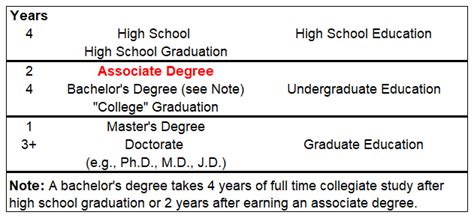
Exploring the Educational Landscape
An Associate of Arts (AA) degree is a two-year postsecondary degree that typically comprises 60-64 credit hours. These credits are earned through coursework in a variety of academic areas, providing a foundation for further education or entry-level employment. The number of credits required for an AA degree may vary slightly depending on the institution and specific program.

Credit Requirements for an AA Degree
General Education Credits:
- 15-18 credit hours are typically dedicated to general education courses, covering subjects such as English, mathematics, history, and social sciences.
Core Credits:
- 18-21 credit hours focus on the core requirements of the specific AA program, providing students with specialized knowledge and skills in their chosen field.
Electives:
- 18-21 credit hours are allocated for electives, allowing students to customize their degree with courses that align with their interests or career goals.
Benefits of Earning an AA Degree
Pathways to Further Education:
- An AA degree provides a solid foundation for transferring to a four-year university to pursue a bachelor’s degree.
Enhanced Job Prospects:
- Many employers value the skills and knowledge gained through an AA degree, particularly for entry-level roles in various industries.
Increased Marketability:
- In a competitive job market, an AA degree can differentiate applicants and demonstrate a commitment to higher education.
Common Mistakes to Avoid
Overloading on Coursework:
- It is crucial to enroll in a manageable number of credits each semester to prevent burnout and ensure academic success.
Neglecting General Education:
- General education courses provide essential skills and knowledge that are applicable to a wide range of fields. Neglecting these courses can hinder students’ overall academic progress.
Choosing Electives Without Purpose:
- Electives should be selected strategically to complement the core coursework and support the student’s career goals. Randomly selecting electives can waste valuable time and resources.
How to Earn an AA Degree
Step 1: Research Degree Programs
- Explore different AA programs at various institutions to find one that aligns with your interests and career aspirations.
Step 2: Apply to College
- Submit an application to the college of your choice, including transcripts and standardized test scores (if required).
Step 3: Create a Course Plan
- Work with an academic advisor to plan a schedule of courses that meets the credit requirements and fits your availability.
Step 4: Enroll in Classes
- Register for courses and attend lectures, labs, and discussions as scheduled.
Step 5: Complete Coursework
- Dedicate yourself to your studies, participate actively in class, and utilize university resources to support your learning.
Step 6: Graduate
- Upon completing all required credits and meeting the graduation requirements, you will be awarded an AA degree.
Conclusion
Earning an Associate of Arts degree requires the successful completion of 60-64 credit hours of coursework. This degree provides a valuable foundation for further education or entry-level employment. By avoiding common mistakes and following a strategic approach, you can maximize the benefits of an AA degree and achieve your academic and career goals.
Additional Resources
- National Center for Education Statistics: https://nces.ed.gov
- American Association of Community Colleges: https://www.aacc.nche.edu
- College Board: https://www.collegeboard.org
Tables
Table 1: Average Credit Hours for AA Degree
| Institution Type | Credit Hours |
|---|---|
| Community College | 60-62 |
| Four-Year College | 62-64 |
Table 2: Common Coursework for AA Degree
| Subject | Credit Hours |
|---|---|
| English | 9 |
| Mathematics | 6 |
| History | 6 |
| Social Sciences | 6 |
| Science | 8 |
| Electives | 18-21 |
Table 3: Benefits of an AA Degree
| Benefit | Description |
|---|---|
| Pathway to Bachelor’s Degree | Provides a foundation for transferring to a four-year university |
| Enhanced Job Prospects | Increases chances of securing entry-level employment |
| Increased Marketability | Differentiates applicants in competitive job market |
Table 4: Common Mistakes to Avoid
| Mistake | Reason |
|---|---|
| Overloading on Coursework | Can lead to burnout and academic failure |
| Neglecting General Education | Hinders overall academic progress |
| Choosing Electives Without Purpose | Wastes time and resources |