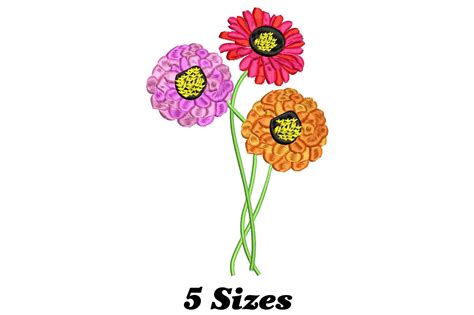
Flowers, with their vibrant hues and sweet fragrances, captivate the hearts of children. Introduce your little ones to the enchanting world of flowers with this comprehensive guide, designed to ignite their curiosity and foster their love for nature.
The Allure of Flowers
Flowers play a vital role in our ecosystem, providing food for insects and other animals, and contributing to the production of oxygen. They also serve as a source of beauty and inspiration, stimulating our senses and imagination.
According to the National Gardening Association, over 50% of American households have gardens, with many families growing flowers specifically to enhance their outdoor spaces and attract wildlife.
Types of Flowers
The world of flowers is vast and diverse, with countless shapes, sizes, and colors to explore. Here are some popular types of flowers that are especially appealing to children:
-
Roses: Known for their beauty and fragrance, roses come in a variety of colors, including red, pink, yellow, and white.
-
Sunflowers: These tall, cheerful plants boast large, sunny yellow flowers that attract butterflies and bees.
-
Tulips: Available in a rainbow of colors, tulips are a vibrant addition to any garden.
-
Daffodils: Heralding the arrival of spring, daffodils feature bright yellow trumpets that dance in the breeze.
-
Violets: Delicate and fragrant, violets add a touch of charm to shaded areas.
Fun Facts about Flowers
Engage your child’s curiosity with these fascinating facts about flowers:
-
The world’s largest flower is the Rafflesia arnoldii, which can grow up to 3 feet in diameter and weigh over 25 pounds.
-
The smallest flower in the world is the Wolffia angusta, which is only about the size of a grain of salt.
-
Some flowers, such as the marigold, have antibacterial properties.
-
Bees can see ultraviolet light, which helps them find nectar in flowers.
Activities for Kids
Bring the beauty of flowers into your child’s life with these engaging activities:
-
Flower Scavenger Hunt: Create a list of different types of flowers and have your child search for them in your garden or local park.
-
Flower Crown Making: Gather fresh flowers and help your child create colorful crowns.
-
Flower Pressing: Preserve your child’s favorite flowers by pressing them between the pages of a book.
-
Flower Painting: Provide your child with paints and brushes and let them express their creativity by painting flowers.
-
Flower Sensory Bin: Fill a bin with soil, water, and fresh flowers and let your child explore their tactile senses.
Benefits of Flowers for Kids
Exposure to flowers has numerous benefits for children, including:
-
Cognitive Development: Flowers stimulate curiosity, encourage exploration, and enhance problem-solving skills.
-
Emotional Development: Flowers foster a sense of wonder, beauty, and joy, promoting emotional well-being.
-
Sensory Development: Flowers offer a variety of textures, colors, and scents, enriching children’s sensory experiences.
-
Environmental Awareness: Flowers connect children with nature and teach them about the importance of our planet.
-
Imagination and Creativity: Flowers inspire creativity and imagination, encouraging children to express themselves through art and play.
FAQs
Q: What is the best time of year to plant flowers with kids?
A: The best time to plant flowers with kids is during the spring or fall, when the weather is mild and the soil is workable.
Q: How can I help my child choose flowers to plant?
A: Let your child explore different flowers and select ones that they find attractive, considering the colors, shapes, and scents that they enjoy.
Q: What are some tips for making flower arrangements with kids?
A: Encourage your child to experiment with different combinations of flowers, colors, and textures. Provide them with tools such as scissors, flower pots, and ribbons to enhance their creativity.
Q: How can I preserve flowers with my child?
A: You can preserve flowers by pressing them between the pages of a book or by drying them upside down in a cool, dark place. Once dry, you can use them for crafts or display them in a frame.
Q: What are some flowers that are safe for kids to eat?
A: Some edible flowers include nasturtiums, pansies, and violets. Always consult with an expert before allowing your child to eat any flowers.
Q: How can I encourage my child’s interest in flowers?
A: Take them on nature walks to observe flowers in their natural habitats. Visit botanical gardens and flower shows to expose them to a wide variety of flowers. Read books and watch documentaries about flowers to foster their knowledge and curiosity.