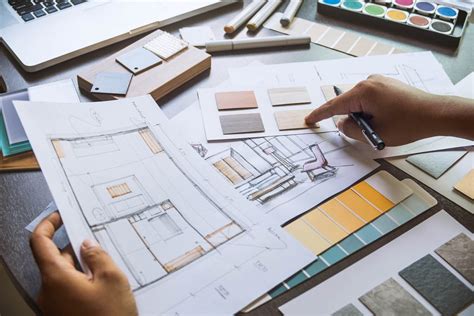
The realm of land architecture demands a symphony of technical expertise and creative vision, requiring a comprehensive arsenal of tools and equipment to execute their designs. From precise measurement devices to software that simulates environmental interactions, the land architect’s toolkit is an indispensable extension of their craft.
Surveying and Measurement Equipment
-
Total Station: A surveying instrument that combines the functionalities of a theodolite and an electronic distance meter, enabling accurate measurement of angles, distances, and elevations.
-
Level: A handheld or mounted device used to establish horizontal or vertical reference planes, ensuring precise leveling and grading.
-
GPS Receiver: A global positioning system (GPS) device that provides real-time location and elevation data, facilitating accurate field measurements.
Global Market for Surveying Equipment by Region (2023)
| Region | Market Size (USD Billion) |
|---|---|
| North America | 20.6 |
| Europe | 18.9 |
| Asia-Pacific | 16.3 |
| South America | 4.5 |
| Middle East and Africa | 3.7 |
| Total | 64 |
Source: Research and Markets
Drafting and Design Tools
-
Computer-Aided Design (CAD) Software: Specialized software that allows land architects to create detailed and scalable plans, incorporating elements such as topography, vegetation, and infrastructure.
-
Geographical Information System (GIS) Software: A powerful tool for managing and analyzing spatial data, enabling land architects to visualize and interpret complex environmental factors.
-
3D Modeling Software: Allows architects to create virtual representations of their designs, providing a realistic perspective and facilitating stakeholder communication.
Environmental Analysis Tools
-
Wind Tunnel: A laboratory device used to simulate wind flow patterns, helping land architects assess wind effects on buildings and landscapes.
-
Hydrology Modeling Software: Computer programs that simulate water flow and drainage patterns, enabling the design of sustainable stormwater management systems.
-
Soil Analysis Equipment: A range of tools for testing soil properties, such as pH, nutrient content, and moisture levels, informing decisions on planting and excavation.
Communication and Visualization Tools
-
3D Renderings and Animations: Create visually stunning representations of proposed designs, enhancing stakeholder engagement and facilitating communication.
-
Virtual Reality (VR) and Augmented Reality (AR) Technologies: Immersive technologies that allow stakeholders to experience proposed designs firsthand, reducing the gap between concept and reality.
-
Photorealistic Digital Imaging: Techniques for generating high-quality images that accurately depict proposed designs within their surroundings, fostering a shared vision among project stakeholders.
Tools for Plant Selection and Management
-
Plant Identification Apps: Mobile applications that assist in identifying plant species, providing information on their characteristics, cultural requirements, and suitability for specific design contexts.
-
Plant Database Software: Comprehensive databases that provide extensive information on plants, including their size, growth habits, soil preferences, and maintenance requirements.
-
Plant Health Monitoring Equipment: Sensors and devices that monitor plant health indicators, such as soil moisture, nutrient levels, and disease incidence, enabling proactive management and intervention.
Factors Influencing Land Architect Tool Selection
- Project scale and complexity
- Availability of funding
- Client requirements
- Designer preferences
- Technological advancements
Innovative Tools and Future Applications
-
Climate Resilient Design Tools: Software and techniques that enable land architects to incorporate climate change considerations into their designs, such as modeling sea level rise and extreme weather events.
-
Biophilic Design Tools: Algorithms and visualization tools that help land architects create environments that foster human-nature connections, promoting well-being and sustainability.
-
Digital Twin Technology: Creates virtual replicas of physical assets, allowing land architects to simulate and monitor designs in real-time, optimizing performance and reducing environmental impact.
-
Generative Design: Algorithms that generate multiple design options based on specified parameters, inspiring innovation and broadening the scope of design possibilities.
Exploring the Customer’s Perspective
Pain Points Faced by Land Architects:
- Limited access to accurate and up-to-date data
- Difficulty in communicating complex designs to stakeholders
- Managing the complexity of integrating multiple environmental factors
- Time-consuming manual processes in design and analysis
Motivations for Land Architects:
- Enhancing design accuracy and efficiency
- Improving stakeholder communication and engagement
- Achieving sustainability and environmental resilience
- Innovating and pushing the boundaries of land architecture
Why Tools and Equipment Matter for Land Architects:
- Enables precise and efficient measurement and data collection
- Facilitates the creation of detailed and visually stunning designs
- Supports the integration of environmental considerations
- Enhances stakeholder communication and engagement
- Drives innovation and expands design possibilities
Conclusion
The modern land architect’s toolkit is a symphony of precision and creativity, enabling them to design spaces that shape our experience of the built environment. From accurate surveying equipment to cutting-edge software, these tools empower land architects to plan and execute designs that are both functional and aesthetically pleasing, sustainable and resilient. As technology continues to advance, it remains an indispensable companion in the evolution of land architecture, unlocking new possibilities and inspiring innovative solutions for the future.