Introduction

In an era marked by rapid technological advancements and the increasing prominence of environmental concerns, environmental science electricity has emerged as a crucial subject that demands our attention. It delves into the intricate relationship between electricity generation, distribution, and the impact on the natural world. By understanding and harnessing nature’s power, we can unlock a cleaner, more sustainable energy future.
The Importance of Environmental Science Electricity
The importance of environmental science electricity lies in its potential to mitigate climate change, reduce air pollution, and preserve natural resources.
- Climate Change Mitigation: Electricity generation is a significant contributor to greenhouse gas (GHG) emissions, which exacerbate climate change. By transitioning to renewable energy sources like solar, wind, and hydroelectricity, we can drastically reduce GHG emissions and mitigate the worst effects of climate change.
- Air Pollution Reduction: The burning of fossil fuels for electricity generation releases harmful pollutants such as sulfur dioxide (SO2) and nitrogen oxides (NOx) into the atmosphere. Environmental science electricity promotes the development of technologies that reduce these pollutants, improving public health and environmental quality.
- Natural Resource Preservation: Traditional electricity generation methods often deplete non-renewable resources like coal and natural gas. Environmental science electricity emphasizes the use of renewable energy sources that do not deplete these resources, preserving them for future generations.
Key Technologies in Environmental Science Electricity
Numerous technologies play a vital role in environmental science electricity.
Renewable Energy Sources:
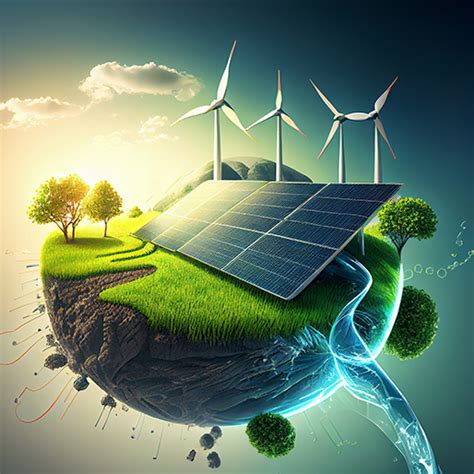
- Solar Energy: Solar panels convert sunlight into electricity, offering a clean and renewable alternative to fossil fuels.
- Wind Energy: Wind turbines harness the kinetic energy of wind to generate electricity, a sustainable option for coastal and windy regions.
- Hydroelectricity: Dams convert the energy of flowing water into electricity, a renewable and reliable source in areas with abundant water resources.
Energy Storage Systems:
- Batteries: Rechargeable batteries store excess electricity produced during peak hours, allowing for its use when demand is high and renewable energy is unavailable.
- Pumped-storage Hydroelectricity: This technology involves pumping water uphill during periods of low electricity demand and releasing it downhill to generate electricity when demand is high.
Smart Grid Technologies:
- Smart Meters: These devices track electricity consumption in real time, enabling energy providers to optimize distribution and consumers to reduce their electricity usage.
- Demand Response: Advanced metering allows for demand response programs, where consumers adjust their electricity usage based on price signals, reducing peak demand and stress on the grid.
Benefits of Environmental Science Electricity
Adopting environmental science electricity offers numerous benefits:
- Reduced GHG Emissions: Renewable energy sources significantly reduce GHG emissions compared to traditional fossil fuels, mitigating climate change.
- Improved Air Quality: By reducing the burning of fossil fuels, environmental science electricity improves local and global air quality, reducing the incidence of respiratory ailments.
- Energy Security: Diversifying electricity generation sources reduces reliance on imported fossil fuels, enhancing energy security and minimizing geopolitical risks.
- Economic Growth: The development and deployment of environmental science electricity technologies generate employment opportunities and stimulate innovation, fostering economic growth.
- Preservation of Natural Resources: By transitioning to renewable energy sources, we minimize the depletion of non-renewable resources like coal and natural gas, ensuring their availability for future generations.
Tips and Tricks for Implementing Environmental Science Electricity
- Invest in Energy Efficiency Measures: Reduce electricity demand through insulation, energy-efficient appliances, and responsible energy practices.
- Support Renewable Energy Development: Advocate for policies that promote renewable energy investment and incentivize the adoption of renewable technologies.
- Use Smart Grid Technologies: Embrace smart meters and demand response programs to optimize electricity consumption and reduce peak demand.
- Educate and Encourage Consumers: Raise awareness about the benefits of environmental science electricity and empower consumers to make informed choices about energy consumption.
- Promote Sustainable Business Practices: Encourage businesses to adopt renewable energy sources, reduce energy consumption, and implement sustainability measures.
Common Mistakes to Avoid in Environmental Science Electricity
- Overreliance on a Single Energy Source: Diversify electricity generation sources to ensure resilience and minimize the impact of fluctuations in any one source.
- Ignoring Energy Storage: Invest in energy storage technologies to balance the intermittency of renewable energy sources and ensure a reliable electricity supply.
- Underestimating the Cost of Transition: Transitioning to environmental science electricity requires significant investment, so proper cost analysis and financial planning are essential.
- Neglecting Environmental Impacts: Carefully assess the environmental impacts of renewable energy technologies and mitigate any potential adverse effects to preserve biodiversity and natural resources.
- Slowing Down the Pace of Adoption: The urgency of climate change demands swift and comprehensive adoption of environmental science electricity technologies to minimize irreversible environmental degradation.
Conclusion
Environmental science electricity is an indispensable tool in the fight against climate change, air pollution, and the depletion of natural resources. By harnessing nature’s power through renewable energy sources, energy storage systems, and smart grid technologies, we can create a sustainable energy future that secures the well-being of current and future generations. It is time to embrace environmental science electricity and empower ourselves to protect our planet and ensure its prosperity for years to come.