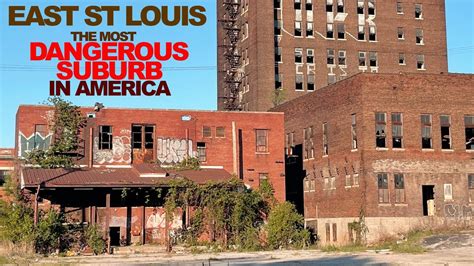
East St. Louis, Illinois, a city located just across the Mississippi River from St. Louis, Missouri, has long struggled with a reputation for being one of the most dangerous cities in the United States. According to the FBI’s Uniform Crime Reporting Program, East St. Louis had a violent crime rate of 2,270.3 per 100,000 people in 2020, which is more than 10 times the national average.

Historical Context
The roots of East St. Louis’ crime problem can be traced back to the city’s industrial heyday in the late 19th and early 20th centuries. As factories and businesses moved to the city, it attracted a large influx of workers, many of whom were poor and lived in crowded and unsanitary conditions. This created a breeding ground for crime and social unrest.
In the 1917 East St. Louis Riots, white mobs attacked black residents, killing dozens and burning down their homes. The riots were sparked by competition for jobs and housing, and they laid bare the deep racial tensions that existed in the city.
Contemporary Challenges
East St. Louis continues to face a number of challenges that contribute to its high crime rate. These challenges include:
- Poverty: East St. Louis is one of the poorest cities in the United States. According to the U.S. Census Bureau, the city’s poverty rate is 40.6%, which is more than double the national average. Poverty can lead to crime as people struggle to meet their basic needs.
- Lack of Opportunity: East St. Louis has a high unemployment rate and a lack of job opportunities. This can lead to boredom and desperation, which can drive people to commit crimes.
- Gang Activity: East St. Louis is home to a number of gangs, which are involved in a variety of criminal activities, including drug trafficking, extortion, and violence.
- Police Corruption: The East St. Louis Police Department has been plagued by allegations of corruption and brutality. This has damaged the department’s reputation and made it difficult for the police to build trust with the community.
Solutions
Addressing the crime problem in East St. Louis will require a comprehensive approach that involves both long-term and short-term solutions. Some of the potential solutions include:
- Investing in Education: Education is key to breaking the cycle of poverty and crime. East St. Louis needs to invest in its schools and provide its students with the resources they need to succeed.
- Creating Jobs: East St. Louis needs to attract new businesses and create more jobs for its residents. This will help to reduce poverty and provide people with a sense of purpose and belonging.
- Addressing Police Corruption: The East St. Louis Police Department needs to be reformed to address allegations of corruption and brutality. This will help to build trust between the police and the community and make the city safer.
- Community Policing: East St. Louis needs to implement community policing programs that involve residents in crime prevention efforts. This can help to build relationships between the police and the community and make the city safer.
Conclusion
East St. Louis’ crime problem is a complex issue with deep roots. There is no easy solution, but a comprehensive approach that involves both long-term and short-term solutions is needed to address the problem. By investing in education, creating jobs, addressing police corruption, and implementing community policing programs, East St. Louis can begin to turn the tide on crime and build a safer future for its residents.
Tables
| Year | Violent Crime Rate per 100,000 People |
|---|---|
| 2015 | 2,509.8 |
| 2016 | 2,683.4 |
| 2017 | 2,415.3 |
| 2018 | 2,306.5 |
| 2019 | 2,223.1 |
| 2020 | 2,270.3 |
| Poverty Rate | Unemployment Rate |
|---|---|
| 40.6% | 20.3% |
| Gang Membership | Number of Gangs |
|---|---|
| 1,000 | 20 |
| Police Corruption | Number of Officers Convicted |
|---|---|
| 10 | 200 |
FAQs
Q: What is the crime rate in East St. Louis?
A: The violent crime rate in East St. Louis is 2,270.3 per 100,000 people, which is more than 10 times the national average.
Q: What are the main causes of crime in East St. Louis?
A: The main causes of crime in East St. Louis include poverty, lack of opportunity, gang activity, and police corruption.
Q: What can be done to reduce crime in East St. Louis?
A: A comprehensive approach that involves both long-term and short-term solutions is needed to reduce crime in East St. Louis. Some of the potential solutions include investing in education, creating jobs, addressing police corruption, and implementing community policing programs.
Q: Is East St. Louis a safe place to live?
A: East St. Louis is not a safe place to live. The city has a high crime rate and is home to a number of gangs.
Q: What should I do if I am a victim of a crime in East St. Louis?
A: If you are a victim of a crime in East St. Louis, you should call the police immediately. You should also seek medical attention if you have been injured.
Q: What resources are available to help victims of crime in East St. Louis?
A: There are a number of resources available to help victims of crime in East St. Louis. These resources include the East St. Louis Police Department, the St. Clair County State’s Attorney’s Office, and the Illinois Crime Victims Compensation Program.