Introduction
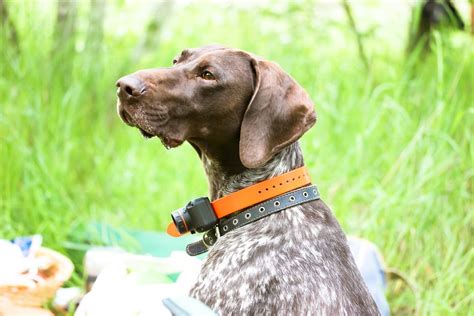
Invisible fences, also known as underground fences, are a popular way to keep dogs contained within a specific area without the need for a physical fence. These systems consist of a buried wire that emits a radio signal, and a collar worn by the dog that receives the signal. When the dog approaches the boundary of the designated area, the collar emits a warning tone or delivers a small electric shock.

Dog collars for underground fences come in various types, each with its unique features and benefits. Choosing the right collar is essential for ensuring the safety and effectiveness of the system. This guide will provide you with all the information you need to make an informed decision about the best dog collar for your pet.
Types of Dog Collars for Underground Fence
The two main types of dog collars for underground fences are:
1. Static Correction Collars
Static correction collars use a mild electric shock to deter dogs from approaching the boundary of the designated area. These collars are effective for most dogs, but they may not be suitable for sensitive dogs or dogs with certain health conditions.
2. Vibration or Tone-Only Collars
Vibration or tone-only collars emit a warning tone or vibration when the dog approaches the boundary. These collars are less aversive than static correction collars and are suitable for all dogs, including sensitive dogs and puppies.
Choosing the Right Collar
When choosing a dog collar for an underground fence, consider the following factors:
- Dog’s temperament and size: Static correction collars may not be suitable for sensitive dogs or dogs with a history of aggression. Vibration or tone-only collars are a good option for these dogs.
- Size of the containment area: The strength of the signal emitted by the collar should be proportionate to the size of the containment area. A strong signal is necessary for large areas, while a weaker signal is sufficient for smaller areas.
- Training needs: Dogs that are new to invisible fences require more training than experienced dogs. A collar with multiple levels of correction can be helpful for training purposes.
Benefits of Dog Collars for Underground Fence
Dog collars for underground fences offer several benefits, including:
- Improved safety: Invisible fences help to prevent dogs from running into traffic, getting lost, or engaging in other dangerous behaviors.
- Increased freedom: Underground fences allow dogs to roam freely within a designated area without the need for a leash or physical fence.
- Reduced anxiety: Dogs that are confined to a small area may experience anxiety and boredom. Underground fences provide them with a larger space to explore and play.
Considerations and Precautions
Before installing an underground fence, it is important to consider the following:
- Cost: Underground fences can be a significant investment, so it is essential to factor in the cost of installation and maintenance before purchasing a system.
- Training: Dogs must be properly trained to use an invisible fence. This involves teaching them to respect the boundary and to return to the designated area when they hear the warning tone or receive a correction.
- Physical limitations: Underground fences are not suitable for all dogs. Dogs with certain physical limitations, such as hearing or vision impairments, may not be able to use these systems effectively.
Troubleshooting Common Problems
If you are experiencing problems with your dog’s underground fence, try the following troubleshooting tips:
- Check the collar battery: Replace the battery if necessary.
- Adjust the collar settings: Make sure the correction level is set appropriately for your dog.
- Inspect the boundary wire: Ensure that the wire is properly buried and has no breaks or damage.
- Contact the manufacturer: If you are unable to resolve the problem, contact the manufacturer of the fence for assistance.
DIY vs. Professional Installation
You can install an underground fence yourself or hire a professional installer. If you are comfortable with DIY projects and have some experience with electrical work, you may be able to save money by installing the fence yourself. However, it is important to follow the manufacturer’s instructions carefully and to test the system thoroughly before allowing your dog to use it.
If you prefer to hire a professional, there are several companies that offer underground fence installation services. Professional installers have the experience and expertise to ensure that the fence is installed correctly and safely.
Maintenance and Care
Underground fences require regular maintenance to ensure they are working properly. The following maintenance tasks are recommended:
- Check the boundary wire annually: Inspect the wire for any breaks or damage and repair any problems immediately.
- Replace the collar battery as needed: The battery should be replaced about every 6-12 months.
- Clean the collar regularly: Use a damp cloth to wipe down the collar and remove any dirt or debris.
Frequently Asked Questions
Here are answers to some of the most frequently asked questions about dog collars for underground fences:
- Can I use an underground fence with multiple dogs? Yes, you can use an underground fence with multiple dogs by purchasing additional collars for each dog.
- How long does it take to train a dog to use an underground fence? Most dogs can be trained to use an underground fence within a few weeks.
- Are underground fences safe for dogs? Yes, underground fences are safe for dogs when used correctly. The electric shocks emitted by the collars are mild and do not cause any harm to the dog.
Conclusion
Dog collars for underground fences are a valuable tool for keeping dogs safe and contained. When choosing a collar, consider the dog’s temperament, size, and training needs. Proper installation and training are essential for the safe and effective use of an underground fence. By following the tips and advice in this guide, you can choose the right collar and ensure that your dog enjoys the benefits of an invisible fence.
Exclusive Ideas for New Applications
In addition to their traditional use for containing dogs, underground fences can also be used for innovative applications, such as:
- Protecting gardens: By installing an underground fence around a garden, you can keep dogs from digging up plants, eating vegetables, and damaging flowers.
- Creating safe play areas: Underground fences can be used to create safe and secure play areas for children or other pets.
- Tracking and monitoring pets: Some underground fence systems include GPS tracking capabilities, allowing you to track your pet’s location and monitor their activity.
Tables
| Feature | Static Correction Collars | Vibration or Tone-Only Collars |
|---|---|---|
| Correction method | Electric shock | Vibration or tone |
| Suitable for | Most dogs | Sensitive dogs, puppies, and dogs with health conditions |
| Cost | Generally more expensive | Generally less expensive |
| Training | Static Correction Collars | Vibration or Tone-Only Collars |
|---|---|---|
| Initial training | May require more training | May require less training |
| Consistency | Provides consistent correction regardless of the dog’s behavior | May be less consistent if the dog is distracted or stubborn |
| Maintenance | Static Correction Collars | Vibration or Tone-Only Collars |
|---|---|---|
| Battery life | Generally shorter battery life | Generally longer battery life |
| Collar cleaning | Requires more frequent cleaning due to electric shock | Requires less frequent cleaning |
| Benefits | Static Correction Collars | Vibration or Tone-Only Collars |
|---|---|---|
| Effectiveness | Highly effective for most dogs | May be less effective for sensitive dogs or dogs with health conditions |
| Safety | Safe when used correctly | Safe for all dogs |