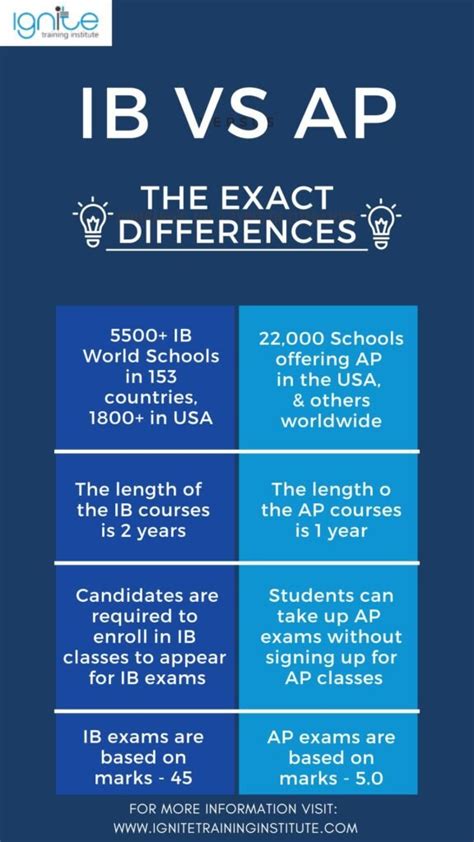
Emory University holds International Baccalaureate (IB) programs in high esteem. The university recognizes the academic rigor and global perspective that IB courses offer, and it values the skills and knowledge that students gain through these programs.
Emory offers a variety of ways for IB students to demonstrate their achievements and earn college credit. The university awards credit for successful completion of IB exams, and it also considers IB coursework in its admissions decisions.
IB Credit at Emory
Emory awards credit for successful completion of IB exams. The amount of credit awarded varies depending on the exam score. For example, students who score a 6 or 7 on an IB exam may receive up to three semester hours of college credit.
IB Coursework in Admissions
Emory considers IB coursework in its admissions process. The university looks for students who have taken challenging courses, including IB courses. IB coursework can demonstrate a student’s academic rigor, intellectual curiosity, and global perspective.
Benefits of Taking IB Courses
There are many benefits to taking IB courses. IB courses can help students:
- Develop critical thinking skills
- Improve writing and communication skills
- Gain a global perspective
- Prepare for college-level work
- Earn college credit
If you are considering taking IB courses, here are some things to keep in mind:
- IB courses are challenging, but they can be a great way to prepare for college.
- Emory University values IB courses, and they can help you demonstrate your academic achievement.
- There are many resources available to help you succeed in IB courses.
What Are the Benefits of Taking IB Classes?
There are many benefits to taking IB classes. Some of the benefits include:
- Strong academic foundation: IB classes are challenging and rigorous, which can help you develop strong academic skills. You will learn how to think critically, solve problems, and communicate effectively.
- Global perspective: IB classes offer a global perspective on a variety of subjects. You will learn about different cultures, histories, and perspectives. This can help you become a more well-rounded and informed individual.
- College credit: Many colleges and universities offer college credit for successful completion of IB exams. This can save you time and money on your college education.
- Admission to top universities: IB classes can help you improve your chances of admission to top universities. Emory University is one of many universities that value IB coursework.
What Are the Different Types of IB Classes?
There are three different types of IB classes:
- Standard Level (SL): SL classes are equivalent to high school courses. They are typically one year long and cover a narrower range of topics than Higher Level (HL) classes.
- Higher Level (HL): HL classes are equivalent to college-level courses. They are typically two years long and cover a broader range of topics than SL classes.
- Extended Essay (EE): The EE is a research paper that is typically 4,000 words long. It is an independent research project that allows students to explore a topic of their choice in depth.
How Do I Choose the Right IB Classes?
Choosing the right IB classes is an important decision. Here are some factors to consider:
- Your interests: Choose classes that you are interested in and that you think you will enjoy learning about.
- Your strengths: Choose classes that play to your strengths and that you think you will do well in.
- Your college goals: Consider the classes that you need to take to prepare for your college major.
- The availability of classes: Make sure that the classes you want to take are offered at your school.
How Can I Prepare for IB Classes?
There are a few things you can do to prepare for IB classes:
- Talk to your teachers: Ask your teachers for advice on which classes to take and how to prepare for them.
- Do your research: Read about the different IB classes and the requirements for each one.
- Practice: Take practice exams and do practice problems to help you prepare for the real thing.
- Join an IB study group: Studying with other students can help you stay motivated and on track.
What Are the Pros and Cons of Taking IB Classes?
There are both pros and cons to taking IB classes. Here are some things to consider:
Pros:
- Strong academic foundation: IB classes are challenging and rigorous, which can help you develop strong academic skills.
- Global perspective: IB classes offer a global perspective on a variety of subjects. This can help you become a more well-rounded and informed individual.
- College credit: Many colleges and universities offer college credit for successful completion of IB exams. This can save you time and money on your college education.
- Admission to top universities: IB classes can help you improve your chances of admission to top universities.
Cons:
- Challenging: IB classes are challenging and require a lot of hard work.
- Expensive: IB exams can be expensive.
- Not all colleges accept IB credit: Not all colleges and universities accept IB credit.
Frequently Asked Questions
Q: What is the International Baccalaureate (IB) program?
A: The IB program is a two-year educational program that is offered in over 140 countries around the world. The program is designed to provide students with a challenging and rigorous academic experience that prepares them for success in college and beyond.
Q: What is the difference between Standard Level (SL) and Higher Level (HL) IB classes?
A: SL classes are equivalent to high school courses, while HL classes are equivalent to college-level courses. HL classes are more challenging and cover a broader range of topics than SL classes.
Q: What are the benefits of taking IB classes?
A: There are many benefits to taking IB classes, including:
- Strong academic foundation
- Global perspective
- College credit
- Admission to top universities
Q: How do I choose the right IB classes?
A: When choosing IB classes, you should consider your interests, strengths, college goals, and the availability of classes.
Q: How can I prepare for IB classes?
A: There are a few things you can do to prepare for IB classes, including:
- Talk to your teachers
- Do your research
- Practice
- Join an IB study group
Conclusion
If you are a motivated and academically-minded student, then IB classes may be a good option for you. IB classes can provide you with a challenging and rigorous academic experience that can prepare you for success in college and beyond.