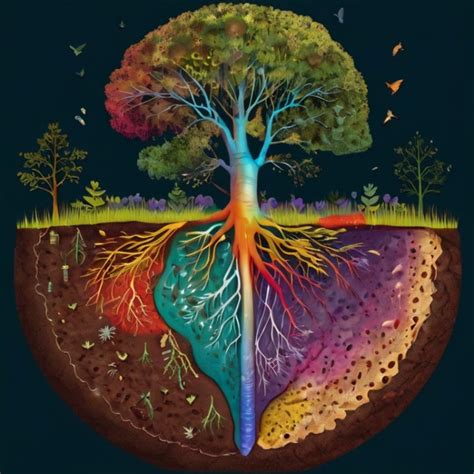
Unlocking the Secrets of Soil Microbiology
Soil, often overlooked as a mere foundation for plant life, holds a hidden treasure: a vast and diverse community of microorganisms. These dirt biotics, as we shall call them, play a vital role in maintaining the health of both soil and plants. Understanding and harnessing their power can revolutionize our approach to agriculture and environmental sustainability.

Dirt Biotics: What Are They?
Dirt biotics encompass a wide range of microorganisms, including bacteria, fungi, protozoa, and nematodes. These tiny organisms thrive in the soil’s rich organic matter, feeding on decaying plant material and interacting with each other to create a complex ecosystem.
Roles of Dirt Biotics
The importance of dirt biotics cannot be overstated. They perform numerous essential functions within the soil ecosystem:
- Nutrient Cycling: Dirt biotics decompose organic matter, releasing essential nutrients such as nitrogen and phosphorus into the soil. These nutrients are then available to be absorbed by plants.
- Soil Structure Improvement: Dirt biotics secrete substances that bind soil particles together, creating aggregates that improve soil structure, porosity, and water retention capacity.
- Plant Disease Suppression: Certain dirt biotics secrete antimicrobial compounds that inhibit the growth of harmful bacteria and fungi that can cause plant diseases.
- Protection Against Pests: Dirt biotics can attract beneficial insects and nematodes that prey on plant pests.
- Carbon Sequestration: Dirt biotics contribute to soil carbon sequestration by converting organic matter into stable soil humus, helping mitigate climate change.
Quantification of Dirt Biotic Benefits
The economic and environmental benefits of dirt biotics are substantial. Studies have shown that:
- Increased Crop Yields: Soil with a higher diversity of dirt biotics has been shown to increase crop yields by up to 25%.
- Reduced Fertilizer Costs: Dirt biotics can reduce fertilizer costs by up to 50% by increasing nutrient availability to plants.
- Improved Soil Health: Soil with a healthy dirt biotic community is more resilient to drought, flooding, and erosion.
- Carbon Capture: Soil with a healthy dirt biotic community can sequester up to 1 ton of carbon per acre per year.
Practical Applications of Dirt Biotics
The potential applications of dirt biotics are vast and promising. By harnessing their power, we can create more sustainable farming systems, restore degraded ecosystems, and combat climate change.
- Biofertilizers: Dirt biotics can be used as biofertilizers to improve plant growth and reduce fertilizer dependency.
- Bioremediation: Dirt biotics can be used to clean up contaminated soil and water by breaking down pollutants.
- Ecosystem Restoration: Dirt biotics can be used to restore degraded ecosystems by improving soil health and promoting plant growth.
- Carbon Sequestration: Dirt biotics can contribute to carbon sequestration by converting organic matter into stable soil humus.
Biomicrosphere: A Novel Approach
To fully harness the power of dirt biotics, we need a systematic approach to understanding and managing their interactions. We propose the concept of “biomicrosphere,” which encompasses the entire microbial ecosystem within the soil.
By studying the biomicrosphere, we can identify key dirt biotic species and their interactions, and develop targeted interventions to enhance their beneficial effects.
Strategies for Enhancing Dirt Biotic Activity
There are several practical strategies to enhance dirt biotic activity:
- Reduce Chemical Inputs: Avoid using chemical fertilizers and pesticides, as they can harm beneficial dirt biotics.
- Promote Organic Matter: Add organic matter to the soil through composting, cover crops, or mulching.
- Encourage Plant Diversity: Plant a variety of crops to create a diverse habitat for dirt biotics.
- Minimize Soil Disturbance: Avoid excessive tilling or compaction, as it can disrupt the dirt biotic community.
- Use Biofertilizers: Inoculate soil with beneficial dirt biotics to supplement the existing community.
Tables: Dirt Biotic Benefits and Applications
| Dirt Biotic Benefit | Impact |
|---|---|
| Increased Crop Yields | Up to 25% yield increase |
| Reduced Fertilizer Costs | Up to 50% reduction |
| Improved Soil Health | Increased resilience to drought, flooding, erosion |
| Carbon Capture | Up to 1 ton carbon sequestered per acre per year |
| Dirt Biotic Application | Description |
|---|---|
| Biofertilizers | Probiotics for soil |
| Bioremediation | Cleaning up contaminated sites |
| Ecosystem Restoration | Rebuilding degraded ecosystems |
| Carbon Sequestration | Mitigating climate change |
FAQs on Dirt Biotics
1. Are dirt biotics harmful to humans?
No, dirt biotics are generally not harmful to humans. In fact, some species of dirt biotics are found in probiotic supplements.
2. How can I test the dirt biotic activity in my soil?
You can purchase soil test kits that measure the microbial biomass or diversity in your soil.
3. Can I add dirt biotics to my soil?
Yes, you can add dirt biotics to your soil through biofertilizers or by adding organic matter that contains beneficial microbes.
4. How long does it take to see results from enhancing dirt biotic activity?
Results from enhancing dirt biotic activity can be visible within a few months to a year, depending on soil conditions and management practices.
5. Are there any regulations on dirt biotics?
In some jurisdictions, the use of dirt biotics as biofertilizers or bioremediation agents may be regulated. Check with your local authorities for specific requirements.
6. What are some emerging research areas in dirt biotic science?
Emerging research areas include:
- The use of artificial intelligence to predict and manipulate dirt biotic communities.
- The development of synthetic soil microbiomes to enhance ecosystem functions.
- The potential of dirt biotics to mitigate climate change through carbon sequestration.
Conclusion
Dirt biotics are the hidden heroes of our planet’s ecosystems. By understanding their importance and harnessing their power, we can create a more sustainable and resilient world. From boosting crop yields to restoring degraded ecosystems, the potential applications of dirt biotics are limitless. It is time to acknowledge and embrace the power of the dirt biotic revolution.