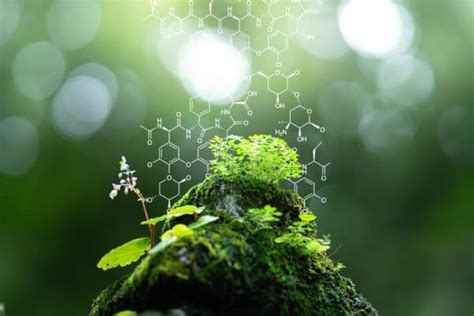
Biology is the scientific study of life. It encompasses a vast array of phenomena, from the smallest microorganisms to the largest whales. Biologists seek to understand how living things function, how they interact with each other and their environment, and how they have evolved over time.

The Importance of Biology
Biology is essential to our understanding of the world around us. It helps us to:
- Understand our own bodies and how they work
- Develop new medicines and treatments for diseases
- Improve agricultural practices to feed a growing population
- Protect the environment and conserve biodiversity
The Branches of Biology
Biology is a broad field that can be divided into many different branches. Some of the most important branches include:
- Molecular biology: The study of the structure and function of molecules, such as DNA and proteins.
- Cell biology: The study of the structure and function of cells, the basic unit of life.
- Developmental biology: The study of how organisms grow and develop from a single cell to a complex organism.
- Ecology: The study of how organisms interact with each other and their environment.
- Evolution: The study of how species change over time.
- Bioinformatics: The use of computer science to analyze biological data.
The Future of Biology
Biology is a rapidly growing field, and there are many exciting new discoveries being made all the time. In the future, we can expect to see even more advances in our understanding of life. These advances will lead to new technologies and treatments that will improve our lives and protect our planet.
Key Findings in Biology
In recent years, biologists have made a number of important discoveries that have changed our understanding of life. These discoveries include:
- The structure of DNA: In 1953, James Watson and Francis Crick discovered the double helix structure of DNA. This discovery laid the foundation for our understanding of genetics.
- The genetic code: In the 1960s, scientists cracked the genetic code. This allowed us to understand how DNA is translated into proteins.
- The evolution of life: In the 1850s, Charles Darwin published his theory of evolution by natural selection. This theory explains how species change over time and has revolutionized our understanding of life.
- The Human Genome Project: In 2003, the Human Genome Project was completed. This project sequenced the entire human genome, giving us a complete blueprint of our genetic makeup.
Applications of Biology
Biology has a wide range of applications in the real world. These applications include:
- Medicine: Biologists develop new drugs and treatments for diseases, such as cancer and HIV/AIDS.
- Agriculture: Biologists improve agricultural practices to increase crop yields and reduce the use of pesticides and fertilizers.
- Environmental protection: Biologists work to protect the environment and conserve biodiversity.
- Biotechnology: Biologists use biotechnology to create new products and technologies, such as genetically modified crops and biofuels.
The Challenges Facing Biology
Biology is a rapidly growing field, but it also faces a number of challenges. These challenges include:
- The growing complexity of biological systems: As our understanding of life increases, so does the complexity of the systems we study. This makes it difficult to develop new theories and models.
- The lack of funding for biological research: Biological research is often underfunded, which limits the number of discoveries that can be made.
- The ethical implications of biological research: Some biological research raises ethical concerns, such as the use of genetically modified organisms and the cloning of humans.
The Future of Biological Research
Despite the challenges, the future of biological research is bright. Biologists are making new discoveries all the time, and these discoveries are leading to new technologies and treatments that are improving our lives and protecting our planet.
Table 1: Key Discoveries in Biology
| Discovery | Year | Discoverer(s) |
|---|---|---|
| Structure of DNA | 1953 | James Watson and Francis Crick |
| Genetic code | 1960s | Various scientists |
| Theory of evolution by natural selection | 1859 | Charles Darwin |
| Human Genome Project | 2003 | Various scientists |
Table 2: Applications of Biology
| Application | Example |
|---|---|
| Medicine | Development of new drugs and treatments for diseases |
| Agriculture | Improvement of agricultural practices to increase crop yields |
| Environmental protection | Protection of endangered species and their habitats |
| Biotechnology | Creation of new products and technologies, such as genetically modified crops and biofuels |
Table 3: Challenges Facing Biology
| Challenge | Example |
|---|---|
| Growing complexity of biological systems | Difficulty in developing new theories and models |
| Lack of funding for biological research | Limited number of discoveries that can be made |
| Ethical implications of biological research | Concerns about the use of genetically modified organisms and the cloning of humans |
Table 4: The Future of Biological Research
| Trend | Example |
|---|---|
| Increasing use of technology | Use of computers and other technology to analyze biological data |
| Growing emphasis on interdisciplinary research | Collaboration between biologists and scientists from other fields |
| Focus on global challenges | Research on issues such as climate change and food security |