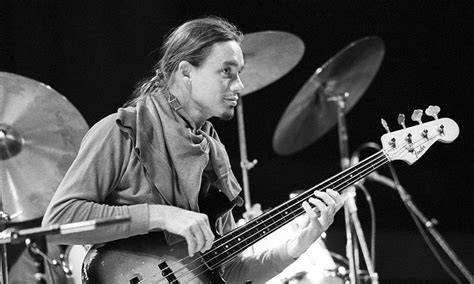
Jazz music, with its improvisational nature and complex rhythms, has captivated audiences for decades. One of the most essential elements of jazz is the bass, providing the rhythmic foundation and melodic support for the rest of the ensemble. Throughout history, countless bassists have graced the jazz scene, leaving an indelible mark with their virtuosity and creativity. Here’s a comprehensive guide to some of the best jazz bassists, their contributions, and the legacy they’ve left behind.

Influential Jazz Bassists: Trailblazers in the Genre
1. Jaco Pastorius (1951-1987)
- Known as the “Jimi Hendrix of the bass,” Pastorius revolutionized the instrument with his unique fretless technique and melodic solos.
- His groundbreaking work on the Weather Report album “Heavy Weather” (1977) earned him widespread recognition and critical acclaim.
- Pastorius’s influence continues to inspire bassists worldwide, with many emulating his innovative playing style.
2. Ray Brown (1926-2002)
- A virtuoso bassist and composer, Brown was an integral member of the Oscar Peterson Trio for over two decades.
- Renowned for his impeccable timing, lush tone, and sophisticated walking bass lines, Brown set the standard for modern jazz bass playing.
- His Grammy Award-winning album “Suddenly” (1958) showcases his lyrical and melodic approach to the bass.
3. Charles Mingus (1922-1979)
- A visionary composer, bassist, and bandleader, Mingus pushed the boundaries of jazz with his bold and experimental approach.
- His compositions, such as “Goodbye Pork Pie Hat” and “Moanin’,” have become jazz standards and showcase his innovative use of bass lines.
- Mingus’s political and social activism influenced his music, often addressing themes of racism and equality.
4. Stanley Clarke (1951-Present)
- A multi-talented bassist, composer, and producer, Clarke has made significant contributions to jazz, funk, and fusion.
- His mastery of slap bass and electric bass has earned him numerous Grammy Awards and critical acclaim.
- Clarke’s virtuosic solos and infectious grooves have influenced generations of bassists.
5. Ron Carter (1937-Present)
- A prolific and versatile bassist, Carter has graced the stages of countless jazz legends.
- Known for his impeccable intonation, rich tone, and ability to adapt to a wide range of musical settings, Carter has played on over 2,000 albums.
- His extensive discography includes collaborations with Miles Davis, Herbie Hancock, and Tony Williams.
Contemporary Jazz Bassists: Continuing the Legacy
6. Christian McBride (1972-Present)
- A rising star in the jazz world, McBride has earned recognition for his technical prowess, versatility, and soulful performances.
- He fronts his own big band, the Christian McBride Big Band, and has collaborated with众多 artists such as Wynton Marsalis and Chick Corea.
- McBride’s energetic and infectious bass lines keep audiences captivated.
7. Avishai Cohen (1970-Present)
- An Israeli bassist and composer, Cohen blends jazz, Middle Eastern, and Mediterranean influences into his music.
- His unique approach to bass playing has earned him international acclaim, with critics praising his lyrical solos and hypnotic rhythms.
- Cohen’s album “Continuo” (2010) received a Grammy Award for Best Jazz Instrumental Album.
8. Esperanza Spalding (1984-Present)
- A Grammy Award-winning bassist, vocalist, and composer, Spalding has brought a fresh perspective to the jazz scene.
- Her music blends jazz, R&B, and soul influences, resulting in a genre-defying sound.
- Spalding’s soulful voice and technical proficiency on the bass have garnered her widespread recognition.
The Role of Jazz Bassists in the Ensemble
Jazz bassists play a crucial role in providing the rhythmic foundation and harmonic support for the ensemble. Their responsibilities include:
- Establishing the Groove: Bassists set the tempo and rhythmic pulse of the music, creating the groove that drives the ensemble.
- Walking Bass Lines: Walking bass lines are a common feature in jazz, where the bassist plays a series of ascending or descending notes that move forward the harmonic progression.
- Chordal Playing: Bassists can also play chords on the bass, providing a harmonic foundation for the soloists.
Common Mistakes to Avoid for Aspiring Jazz Bassists
- Lack of Time Practice: Regular practice is essential for developing technical proficiency and musicality.
- Ignoring Music Theory: Understanding music theory will help bassists navigate complex chord progressions and improvise effectively.
- Playing Too Loudly: Bassists must balance their volume to support the band without overpowering the other instruments.
- Not Listening to Others: Paying attention to the other musicians in the ensemble is crucial for maintaining a cohesive groove and harmonic support.
A Step-by-Step Approach to Playing Jazz Bass
1. Master the Basics: Start by learning the basic bass techniques, such as proper hand position, picking, and fingerstyle playing.
2. Develop Your Walking Bass Skills: Practice walking bass lines in different keys and tempos to enhance your rhythmic foundation.
3. Study Jazz Standards: Familiarize yourself with classic jazz standards to improve your harmonic knowledge and soloing abilities.
4. Listen to Great Bassists: Listen to recordings of influential jazz bassists to analyze their techniques, grooves, and approaches to improvisation.
5. Join a Jazz Group: Joining a jazz group will provide you with an opportunity to play with other musicians and develop your ensemble skills.
Conclusion
Jazz bassists have played an integral role in shaping the sound and evolution of jazz music. From the legendary Jaco Pastorius to contemporary virtuosos like Christian McBride, these masters of the slap bass have left an unforgettable legacy. By mastering the essential techniques, listening to great bassists, and immersing themselves in the music, aspiring jazz bassists can carry on the legacy and continue to contribute to the rich tapestry of jazz.