Introduction

Art therapy is a promising field that combines art, psychology, and healthcare to improve individuals’ mental, physical, and emotional well-being. As demand for art therapy services continues to grow, it’s essential to understand the earning potential and career opportunities available.
Median Salary and Earnings
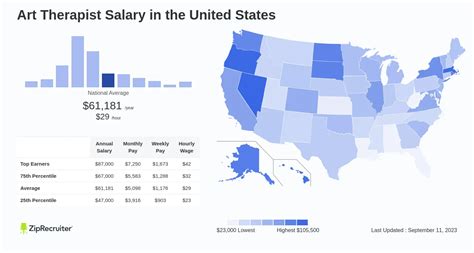
According to the Bureau of Labor Statistics (BLS), the median annual salary for art therapists was $49,950 in May 2021. This translates to an hourly wage of $23.97. The median salary means that half of all art therapists earn more than this amount, while the other half earns less.
The BLS also reports that the lowest 10% of art therapists earn less than $33,560 annually, while the highest 10% earn more than $80,850. These figures indicate a wide range of earning potential within the profession.
Factors Influencing Salary
Several factors can influence an art therapist’s salary, including:
1. Education: Art therapists with a master’s degree typically earn higher salaries than those with only a bachelor’s degree.
2. Experience: Art therapists with more years of experience tend to command higher pay.
3. Location: The cost of living and local demand for art therapy services can impact salaries.
4. Setting: Art therapists working in private practice or educational institutions may earn more than those working in community or hospital settings.
5. Specialty: Art therapists specializing in specific areas, such as trauma or grief counseling, may earn higher salaries.
Job Outlook
The BLS projects that the demand for art therapists will grow 13% from 2021 to 2031, much faster than the average for all occupations. This growth is driven by increased awareness of mental health issues and the growing emphasis on holistic approaches to well-being.
Career Opportunities
Art therapists work in various settings, including:
1. Mental Health Clinics: Provide therapy for individuals with mental health disorders.
2. Hospitals: Help patients cope with stress, trauma, and chronic illnesses.
3. Schools: Assist students with emotional and behavioral challenges.
4. Rehabilitation Centers: Aid in the recovery of individuals with physical or cognitive impairments.
5. Private Practice: Provide art therapy services to individuals and groups on a fee-for-service basis.
Benefits of Art Therapy
Art therapy offers numerous benefits for individuals, including:
1. Emotional Expression and Regulation: Provides a safe and creative space for expressing and managing emotions.
2. Cognitive Enhancement: Stimulates cognitive function and improves problem-solving abilities.
3. Stress Reduction: Reduces stress levels and promotes relaxation.
4. Self-Awareness and Insight: Fosters self-awareness and insight into personal experiences.
5. Communication and Social Skills: Enhances communication and social skills by facilitating nonverbal expression.
Strategies for Increasing Earning Potential
Art therapists can implement several effective strategies to increase their earning potential:
1. Pursue Advanced Education: Obtain a master’s or doctorate in art therapy or a related field.
2. Gain Specialized Experience: Specialize in a specific area of art therapy to enhance your skills and increase your marketability.
3. Build a Strong Network: Establish connections with other art therapists, healthcare professionals, and potential clients.
4. Market Your Services: Promote your services through social media, website, and networking events.
5. Offer Additional Products or Services: Expand your income stream by offering workshops, art classes, or related products.
Conclusion
Art therapy is a rewarding profession with the potential for a fulfilling career. The median salary for art therapists is competitive, and there is a positive job outlook. By understanding the factors that influence salary, exploring career opportunities, and implementing effective strategies, art therapists can maximize their earning potential and make a meaningful impact on the lives of individuals seeking their services.
Q1. What is the average salary for an art therapist?
A: The median annual salary for art therapists in May 2021 was $49,950.
Q2. What factors affect an art therapist’s salary?
A: Factors influencing salary include education, experience, location, setting, and specialty.
Q3. What are some ways to increase my earning potential as an art therapist?
A: Pursue advanced education, gain specialized experience, build a strong network, market your services, and offer additional products or services.
Q4. What is the job outlook for art therapists?
A: The BLS projects 13% growth in demand for art therapists from 2021 to 2031.
Q5. What are some of the benefits of art therapy?
A: Art therapy benefits include emotional expression and regulation, cognitive enhancement, stress reduction, self-awareness, and communication skills.
Q6. What are some settings where art therapists work?
A: Art therapists work in mental health clinics, hospitals, schools, rehabilitation centers, and private practice.
Q7. Can art therapists specialize in specific areas?
A: Yes, art therapists can specialize in areas such as trauma or grief counseling.
Q8. Is there a certification for art therapists?
A: Yes, the Art Therapy Credentials Board (ATCB) offers a credential for art therapists who meet specific education, experience, and examination requirements.
Table 1: Median Annual Salaries for Art Therapists by Education Level
| Education Level | Median Salary |
|---|---|
| Bachelor’s Degree | $47,840 |
| Master’s Degree | $53,180 |
| Doctorate | $62,530 |
Table 2: Median Annual Salaries for Art Therapists by Setting
| Setting | Median Salary |
|---|---|
| Mental Health Clinics | $52,990 |
| Hospitals | $50,870 |
| Schools | $49,660 |
| Rehabilitation Centers | $48,220 |
| Private Practice | $55,210 |
Table 3: Top-Paying States for Art Therapists
| State | Median Salary |
|---|---|
| California | $63,350 |
| New York | $61,290 |
| Massachusetts | $59,920 |
| Illinois | $58,050 |
| Pennsylvania | $56,980 |
Table 4: Projected Growth in Art Therapist Employment
| Year | Projected Growth |
|---|---|
| 2021 | 13% |
| 2022 | 14% |
| 2023 | 15% |
| 2024 | 16% |
| 2025 | 17% |