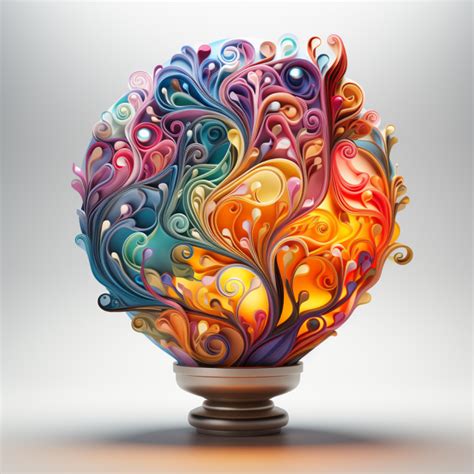
The Essence of Art Design Drawing
Art design drawing is the foundation of visual communication, a universal language that transcends cultural and linguistic barriers. It encompasses the skillful use of lines, shapes, values, and textures to convey ideas, emotions, and narratives. Artists harness drawing as a tool to explore their imaginations, document their surroundings, and connect with audiences worldwide.
Understanding the Medium
Linework: The Framework of Form
Lines are the backbone of drawing, providing structure, movement, and depth. Different line weights, thicknesses, and textures can create a wide range of visual effects, from delicate contours to bold outlines. Artists strategically manipulate lines to delineate subjects, define forms, and suggest texture.
Shape and Form: Creating Depth and Dimension
Shapes and forms are essential elements in drawing, giving subjects their physical presence. By combining lines and curves, artists create geometric or organic forms that convey volume, depth, and perspective. The interplay of positive and negative space enhances the illusion of reality in drawings.
Value and Texture: Adding Realism and Interest
Value refers to the lightness or darkness of a surface, while texture adds perceived tactility to drawings. Artists utilize various shading techniques, such as cross-hatching and blending, to create tonal variations and simulate the texture of different surfaces. Proper handling of value and texture brings depth and realism to works of art.
The Process of Art Design Drawing
Idea Generation: The Spark of Inspiration
The first step in art design drawing is idea generation. Artists draw from their experiences, observations, and imagination to conceive unique and impactful compositions. Sketchbooks, brainstorming sessions, and research are indispensable tools for fostering creative thinking.
Composition: Arranging the Elements
Composition involves the strategic arrangement of elements within a drawing. Artists consider balance, proportion, and focal points to create visually pleasing and cohesive artworks. They explore different layouts and viewpoints to enhance the impact of their messages.
Execution: Bringing Vision to Life
With their ideas and compositions in place, artists execute their drawings using various tools and techniques. Pencils, charcoal, pastels, and digital tablets are commonly used to create lines, shapes, and values. The choice of medium depends on the desired aesthetic and the artist’s preferences.
Applications of Art Design Drawing
The applications of art design drawing extend far beyond traditional fine art. It plays a crucial role in various fields, including:
- Illustration: Creating visual narratives for books, magazines, and websites.
- Graphic Design: Developing logos, brochures, and other marketing materials.
- Fashion Design: Sketching clothing designs for fashion shows and production.
- Architecture: Drafting blueprints and architectural renderings.
- Product Design: Visualizing new products and their functionality.
Leveraging the Power of Art Design Drawing
To harness the full potential of art design drawing, consider the following tips:
Engage with Your Audience:
- Ask questions to understand their needs and motivations.
- Consider the context and purpose of your drawings.
- Tailor your artwork to resonate with specific demographics.
Master the Fundamentals:
- Study anatomy, perspective, and composition to improve your technical skills.
- Experiment with different drawing tools and techniques to expand your artistic expression.
- Seek feedback from mentors or art critics to identify areas for growth.
Explore Creative Ideas:
- Cross-pollination: Draw inspiration from different art forms, cultures, and disciplines.
- Thought experiments: Ask yourself “what if?” and challenge established norms.
- Imaginative play: Let your mind wander and explore unconventional concepts.
Tables for Enhancing Art Design Drawing
| Element | Description | Importance |
|---|---|---|
| Line | A one-dimensional mark connecting two points | Defines structure, movement, depth |
| Shape | A two-dimensional area with distinct boundaries | Creates form, volume, and perspective |
| Value | The lightness or darkness of a surface | Adds realism, depth, and texture |
| Texture | The perceived surface quality of an object | Enhances visual interest and tactile perception |
| Tool | Description | Advantages | Disadvantages |
|---|---|---|---|
| Pencil | Drawing instrument made from graphite | Versatile, portable, affordable | Limited color range, smudges easily |
| Charcoal | Burned wood or compressed vine | Expressive, creates dramatic effects | Messy, difficult to erase |
| Pastel | Solid stick of pigment | Vibrant colors, blendable | Can be messy, difficult to control |
| Digital Tablet | Electronic device for drawing | Pressure-sensitive, customizable brushes | Expensive, requires digital skills |
| Application | Benefits | Industries |
|---|---|---|
| Illustration | Visual storytelling, engaging readers | Publishing, marketing, education |
| Graphic Design | Effective communication, brand building | Marketing, advertising, web design |
| Fashion Design | Visualizing collections, inspiring creativity | Fashion, textiles, merchandising |
| Architecture | Documenting designs, showcasing proposals | Architecture, engineering, construction |
| Product Design | Concept development, prototyping | Manufacturing, industrial design, engineering |
| Tip | Description | Benefits |
|---|---|---|
| Practice Regularly | Consistency improves skills and strengthens artistic vision | |
| Study Masterpieces | Analyze great works of art to learn techniques and draw inspiration | |
| Seek Feedback | Constructive criticism helps identify areas for improvement | |
| Experiment with Tools | Explore different mediums to expand artistic possibilities | |
| Break the Rules | Challenge conventions to develop unique and innovative approaches |
Embracing Art Design Drawing: A Journey of Visual Expression
Art design drawing empowers individuals to communicate visually, express emotions, and connect with others. Whether it’s illustrating stories, designing products, or creating architectural masterpieces, the power of art design drawing transforms ideas into tangible creations. Embrace this versatile medium and embark on a journey of artistic exploration and visual storytelling.