Introduction
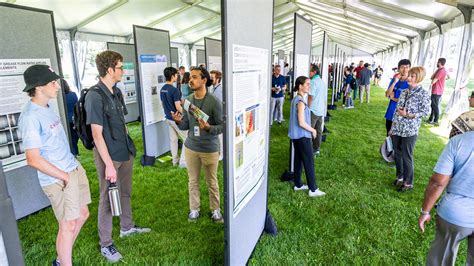
Immerse yourself in the cutting-edge world of scientific research at Argonne National Laboratory, one of the premier research facilities in the United States. Their internship program offers exceptional opportunities for undergraduate and graduate students to contribute to groundbreaking projects and gain invaluable hands-on experience.
Benefits of an Argonne National Laboratory Internship:
- Unparalleled research experience: Participate in cutting-edge research projects alongside renowned scientists.
- Mentorship and professional development: Receive guidance and support from experienced researchers and develop your scientific and technical skills.
- Networking opportunities: Connect with top scientists, industry leaders, and potential employers.
- Career advancement: Enhance your resume and qualify for prestigious graduate programs or competitive positions in the scientific field.
Eligibility and Application Process:
To be eligible for an Argonne National Laboratory internship, you must meet the following requirements:
- Enrollment in an accredited undergraduate or graduate program in science, engineering, mathematics, or a related field.
- Strong academic record with a minimum GPA of 3.0.
- Demonstrated interest and experience in your field of study.
The application process includes submitting an online application, transcripts, resume, and a cover letter. Internships are typically offered for summer, fall, or spring semesters.
Internship Opportunities:
Argonne National Laboratory offers a wide range of internship opportunities in various scientific and engineering disciplines, including:
- Advanced Computing: Develop models and simulations for scientific research.
- Artificial Intelligence and Machine Learning: Apply AI techniques to solve complex problems.
- Accelerator Physics: Design and operate particle accelerators.
- Bioenergy: Conduct research on sustainable energy production from biomass.
- Chemical Sciences: Explore new materials and processes for chemical engineering.
- Climate Change: Study the impacts of climate change and develop mitigation strategies.
- Energy Storage: Investigate innovative energy storage technologies.
- Environmental Science: Protect the environment through research and innovation.
- Materials Science: Develop and characterize advanced materials for various applications.
- Nuclear Physics: Study the structure and properties of atomic nuclei.
- Superconducting Materials: Explore the properties and applications of superconducting materials.
Common Mistakes to Avoid:
- Applying too late: Internships are competitive, so apply well in advance of the deadline.
- Tailoring your application: Tailor your cover letter and resume to each specific position you apply for.
- Lack of preparation: Prepare for the interview by researching the laboratory, specific projects, and potential questions.
- Underrating your skills: Highlight your relevant skills and experiences, but avoid exaggerating them.
Step-by-Step Approach to Applying:
- Identify your interests: Determine which specific scientific or engineering discipline you are most interested in.
- Research Argonne National Laboratory: Visit the laboratory’s website and explore different research divisions and projects.
- Review internship opportunities: Identify the internships that align with your interests and eligibility.
- Prepare your application packet: Gather the necessary materials, including transcripts, resume, cover letter, and references.
- Apply online: Submit your application through the laboratory’s online portal.
- Follow up: Contact the hiring manager or internship coordinator to inquire about the status of your application.
Frequently Asked Questions:
Q: Are internships paid?
A: Yes, Argonne National Laboratory internships are typically paid at a competitive rate.
Q: What is the duration of an internship?
A: Internships typically last for 10-12 weeks, but some can be shorter or longer.
Q: How competitive is the internship program?
A: The Argonne National Laboratory internship program is highly competitive, so a strong academic record and relevant experience are essential.
Q: What should I include in my cover letter?
A: In your cover letter, highlight your relevant skills and experiences, why you are interested in the specific project, and what you hope to gain from the internship.
Q: What are the career prospects after completing an internship?
A: Completing an Argonne National Laboratory internship can lead to various career opportunities in research, industry, and government.
Q: What sets the Argonne National Laboratory internship program apart?
A: Argonne National Laboratory offers exceptional research facilities, mentorship from renowned scientists, and opportunities to work on cutting-edge projects that have a real impact on society.
Creative New Word: Innovatech**
Table 1: Argonne National Laboratory Research Divisions
| Division | Focus Areas |
|---|---|
| Advanced Photon Source | Synchrotron light source research |
| Argonne Leadership Computing Facility | Supercomputing and data analytics |
| Center for Nanoscale Materials | Nanoscience and nanotechnology |
| Energy Systems Division | Energy science and technology |
| Environmental Science Division | Environmental science and sustainability |
| High Energy Physics Division | Particle physics and cosmology |
| Materials Science Division | Materials science and engineering |
| Nuclear Physics Division | Nuclear physics and accelerator science |
| Transportation Research Center | Transportation science and technology |
Table 2: Internship Discipline Areas
| Discipline Area | Examples of Projects |
|---|---|
| Advanced Computing | Computational modeling, data analytics |
| Artificial Intelligence and Machine Learning | Machine learning algorithms, data science |
| Accelerator Physics | Design and operation of particle accelerators |
| Bioenergy | Biomass conversion, biofuels |
| Chemical Sciences | Materials synthesis, catalysis |
| Climate Change | Climate modeling, climate mitigation |
| Energy Storage | Battery technology, energy storage systems |
| Environmental Science | Air pollution control, water treatment |
| Materials Science | Advanced materials, material characterization |
| Nuclear Physics | Nuclear structure, nuclear reactions |
| Superconducting Materials | Superconductivity, superconducting materials |
Table 3: Timeline for Internship Application
| Month | Action |
|---|---|
| August-October | Research internship opportunities |
| October-December | Prepare application materials |
| January | Submit internship applications |
| March-April | Interview with hiring managers |
| May-June | Internship offer notification |
| June-August | Internship start date |
Table 4: Internship Program Statistics
| Year | Total Internships | Average GPA |
|---|---|---|
| 2022 | 320 | 3.7 |
| 2021 | 290 | 3.6 |
| 2020 | 260 | 3.5 |
Conclusion:
An Argonne National Laboratory internship is an unparalleled opportunity to delve into the forefront of scientific research. By participating in cutting-edge projects, working alongside renowned scientists, and gaining hands-on experience in your field, you will not only enhance your technical skills but also develop a passion for scientific discovery and innovation. If you are an ambitious student seeking a transformative internship experience, apply to Argonne National Laboratory today and embark on a journey that will shape your future in science.