Introduction
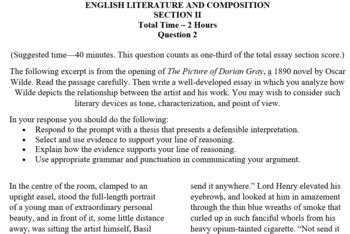
The AP Literature and Composition Exam (AP Lit) is a rigorous assessment designed to evaluate students’ critical reading, analytical writing, and interpretation skills. Among the exam’s three sections, the second free response question (FRQ 2) stands out as a pivotal challenge, requiring candidates to analyze a literary passage with depth and precision. This guide will provide an in-depth exploration of FRQ 2, equipping students with essential strategies, tips, and insights for crafting exemplary essays.
Understanding FRQ 2
FRQ 2 presents a passage from a work of literature, typically ranging from 500 to 750 words. Students are tasked with analyzing the passage’s structure, language, and literary devices; identifying key themes and stylistic techniques; and formulating a comprehensive interpretation supported by textual evidence. The essay should demonstrate a sophisticated understanding of the literary text and the author’s craft.
Key Elements of an Exemplary FRQ 2 Essay
Introduction
– Clearly state the thesis statement, which should articulate a specific and insightful interpretation of the passage.
– Provide a brief overview of the passage’s context and author’s background.
Body Paragraphs
– Focus on specific aspects of the passage, such as literary devices, language, structure, or themes.
– Analyze how these elements contribute to the author’s overall message or effect.
– Support claims with textual evidence and provide detailed explanations.
Conclusion
– Restate the thesis statement in a slightly altered form.
– Summarize the main points of the essay.
– Offer a final insight into the passage’s significance or broader implications.
Effective Strategies for Success
Active Reading:
– Read the passage carefully, marking up the text to identify important elements.
– Annotate literary devices, key terms, and passages that relate to the thesis statement.
Close Analysis:
– Pay attention to the specific language used by the author and how it contributes to the passage’s meaning.
– Examine the structure and organization of the passage and how it shapes the reader’s understanding.
Textual Support:
– Provide specific evidence from the passage to support each claim made in the essay.
– Use quotations, paraphrases, and textual references to demonstrate a thorough understanding of the text.
Specific Examples:
– Use specific examples from the passage to illustrate the author’s use of literary devices or techniques.
– These examples should be relevant to the thesis statement and provide concrete evidence for the analysis.
Common Mistakes to Avoid
Overgeneralization:
– Avoid making broad statements that lack specific support from the passage.
– Ensure that each claim is grounded in the text itself.
Paraphrasing:
– While it’s important to understand the passage, simply paraphrasing it without adding analysis or interpretation will not earn high marks.
– Focus on presenting your own unique insights and interpretations.
Lack of Focus:
– Stay focused on the passage and avoid discussing irrelevant topics or personal opinions.
– Ensure that all analysis and examples are directly related to the thesis statement.
Resources
College Board Practice Materials:
– Utilize the practice exams and scoring guides provided by the College Board.
– These resources offer valuable insights into the format and expectations of FRQ 2.
Annotated Passages:
– Study annotated passages from previous exams to analyze how exemplary students have approached the question.
– Note the effective use of textual evidence, literary analysis, and critical thinking.
Online Forums and Discussion Groups:
– Engage with other students and teachers in online forums dedicated to AP Lit FRQ 2.
– Share ideas, ask questions, and receive feedback on essay drafts.
Conclusion
FRQ 2 is a demanding but rewarding aspect of the AP Lit exam. By employing effective strategies, avoiding common mistakes, and using the resources available, students can develop the skills necessary to craft exceptional essays that demonstrate a deep understanding of literature and literary analysis. With dedicated practice and a critical eye, candidates can confidently approach this challenge and achieve their full potential on the exam.